How Is a Wrist Fracture Treated?

When a wrist fracture occurs, it is essential to receive proper treatment from a specialist to ensure that the wrist can return to normal function and to prevent potential complications from the injury.This article will guide you through a better understanding of wrist fractures and how they should be properly managed and treated.
What Is a Wrist Fracture?
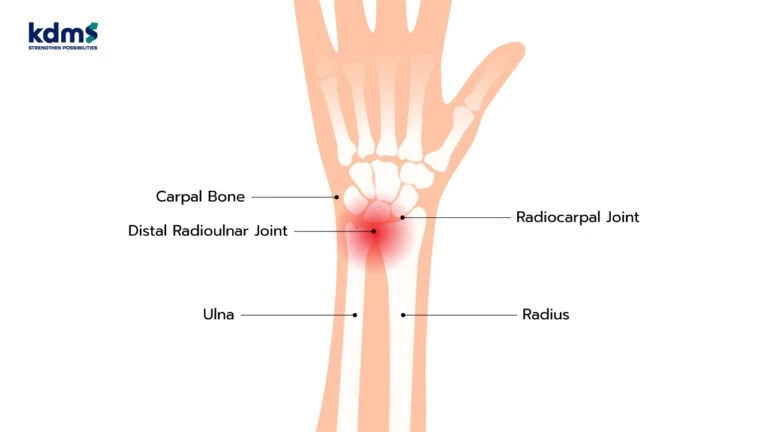
A wrist fracture is a term commonly used to describe fractures occurring in two nearby areas:
- The carpal bones (bones of the wrist)
- The distal part of the forearm bones, particularly around the distal radioulnar joint
This region is one of the most commonly fractured areas in the human body.

What Causes a Wrist Fracture?
Wrist fractures are most commonly caused by accidents, which can be broadly classified into two main types
1. Minor or Everyday Accidents
These are common incidents that can occur in daily life, such as slips, trips, or falls.
- More frequently seen in older adults
- Often associated with osteoporosis or low bone density
- Even a minor fall can result in a fracture due to weakened bones
2. High-Impact or Severe Accidents
These injuries involve greater force and are typically more serious.
- Occur when individuals instinctively use their hands to break a fall
- Can result in more complex and severe fracture patterns
- Common causes include:
- Falls from height
- Road traffic accidents
- Sports injuries
This type of injury is more commonly seen in younger individuals compared to minor accident cases.
What Is the Difference Between a Wrist Fracture and a Wrist Sprain?
When experiencing wrist pain after an injury, there are generally two main possible causes: a wrist fracture or a wrist sprain.
- A wrist fracture is diagnosed when an X-ray shows a break in the bone
- A wrist sprain may present with similar symptoms such as pain and swelling, but no fracture is visible on X-ray. This type of injury is caused by damage to the ligaments around the wrist
Because the symptoms can be similar, it is important to consult a doctor for an accurate diagnosis if you experience wrist pain and swelling after an injury.
Symptoms of a Wrist Fracture
In severe cases, a wrist fracture may be clearly visible, with the wrist appearing deformed or misaligned.
However, if the fracture is minor or the bones are only slightly displaced, deformity may not be obvious. Instead, other signs may include:
- Bruising
- Rapid swelling
- Pain and tenderness
If the injury is severe and involves an open wound, patients should not attempt to treat it themselves. Immediate medical attention is necessary, as superficial observation alone cannot determine the full extent of the injury.
In some cases, if the wound communicates with the underlying fracture, it may lead to a bone infection (osteomyelitis) if not properly treated.
Possible Complications of a Wrist Fracture
Common complications may occur if a wrist fracture is improperly treated. These include:
- Malunion (improper bone healing), where the bone heals in the wrong position
- Persistent pain and reduced wrist function
- Stiffness of the wrist and finger joints, limiting range of motion
- Long-term functional impairment, affecting daily activities
If the joint surface heals unevenly, it may eventually lead to degenerative joint disease (osteoarthritis) in the future.
A Fracture May Indicate Osteoporosis
If a wrist fracture occurs from a low-impact injury, such as a fall from standing height, it may indicate low bone density or osteoporosis.
In such cases, treatment should not only focus on the fracture itself but also include a bone density test to detect any underlying bone weakness.
How Is a Wrist Fracture Diagnosed?
Initial diagnosis typically involves:
- Medical history taking
- Physical examination
If a fracture is suspected, the doctor will order an X-ray to identify the location and severity of the fracture.
In more complex cases-such as:
- Intra-articular fractures (fractures involving the joint surface)
- Carpal bone fractures
A CT scan (Computed Tomography) may be required for a more detailed evaluation.
Accurate diagnosis is essential to ensure proper treatment and to restore the wrist as close to normal as possible. In many cases, a hand and wrist specialist (orthopedic surgeon) is best suited to manage these injuries effectively.
Treatment of Wrist Fractures
Treatment for a wrist fracture can be divided into two main approaches: non-surgical and surgical. The choice depends on whether the bone alignment is acceptable and the severity of the fracture.
Non-Surgical Treatment
Most wrist fractures can be treated without surgery by:
- Realigning the bone (reduction)
- Immobilizing the wrist with a cast or splint
The doctor will assess whether the bone remains in an acceptable position after alignment. If the alignment is stable and unlikely to shift, the wrist will typically be immobilized for about 6 weeks.
After the cast is removed, physical therapy is recommended to restore mobility and reduce stiffness.
Advantages
- No surgery required
Limitations
- Restricted movement of the wrist and arm during immobilization
- Requires careful care of the cast
Surgical Treatment
Surgery is recommended when:
- The fracture is unstable or severely displaced
- The joint surface is uneven (intra-articular fracture)
- The fracture is complex and cannot be properly aligned without surgery
The goal of surgery is to realign the bone and stabilize it using fixation devices.
One of the most common and effective methods is the use of metal plates and screws to hold the bone in place.
Advantages:
- Faster return to near-normal wrist function
- Early initiation of movement and physical therapy
General Steps:
1.The doctor evaluates that non-surgical treatment is not suitable
2.Surgery is performed to realign and fix the bone using internal fixation devices
3.After surgery, patients can begin gentle wrist movement relatively early
Proper treatment is essential to ensure full recovery and prevent long-term complications such as stiffness, deformity, or reduced function.

Long-Term Effects of a Wrist Fracture
If the joint surface is uneven or the bone alignment is not properly restored, it can lead to long-term complications affecting wrist function. These may include:Reduced range of motion. Chronic pain or discomfort. Increased risk of osteoarthritis (degenerative joint disease)Therefore, treatment-especially surgical management by a hand specialist-is important to ensure proper bone alignment. This allows patients to undergo rehabilitation effectively and helps restore wrist function as close to normal as possible.
Why Choose KDMS Hospital for Wrist Fracture Treatment?
At KDMS Hospital, patients with wrist fractures are treated by specialized hand and wrist surgeons with extensive experience in managing hand and wrist injuries.
Doctors utilize advanced techniques and modern technology, such as:
- Arthroscopic-assisted surgery, which allows detailed examination of joint surfaces
- Assessment and treatment of associated ligament injuries when necessary
This comprehensive approach ensures patient safety and promotes faster recovery, helping patients return to their daily lives as soon as possible.
Summary
Wrist fractures can result from both minor and severe accidents and may occur at any age. In some cases, they may also indicate underlying conditions such as osteopenia or osteoporosis.
Proper diagnosis and treatment by a hand specialist are essential, as fractures may involve areas that are not easily visible. If left untreated or improperly managed, the bone may heal incorrectly, leading to joint irregularities and long-term impairment of wrist function.
Source : KDMS Hospital
**Translated and compiled by ArokaGO Content Team
Independent Writer
Share this article
More Articles
Discover more insights on health care and medical tourism.

5 Habits of Modern Women That May Unconsciously Harm Their Health
Modern women in 2026 are true "Wonder Women"excelling at work, living life to the fullest, and taking great care of themselves. But amidst the rush and societal expectations, some habits we’ve grown used to might be silently "billing" our long-term health. Let’s check if you’re falling into any of these common traps.

Genetic Disorders: Common Inherited Conditions You Should Know
genetic disorders, inherited diseases, Down syndrome risk, color blindness symptoms, thalassemia screening, leukemia causes, genetic conditions

Childhood Obesity
Childhood obesity, often seen by parents as “cute chubbiness,” can actually lead to serious health problems. These include high cholesterol, diabetes, high blood pressure, snoring, irregular menstruation, and even psychological issues such as low self-esteem or being teased by peers.