Rabies: More Dangerous Than You Think

Rabies: A Nervous System Infection Rabies, also known as hydrophobia, is a viral infection of the nervous system that is transmitted from animals to humans. It is most commonly spread through bites, scratches, or licks from infected mammals, such as dogs, cats, or other animals with the virus. Once the virus enters the body, it can cause symptoms such as itching at the wound site, chills, seizures, fear of water, hallucinations, heart failure, or even death. However, rabies can be prevented through vaccination.
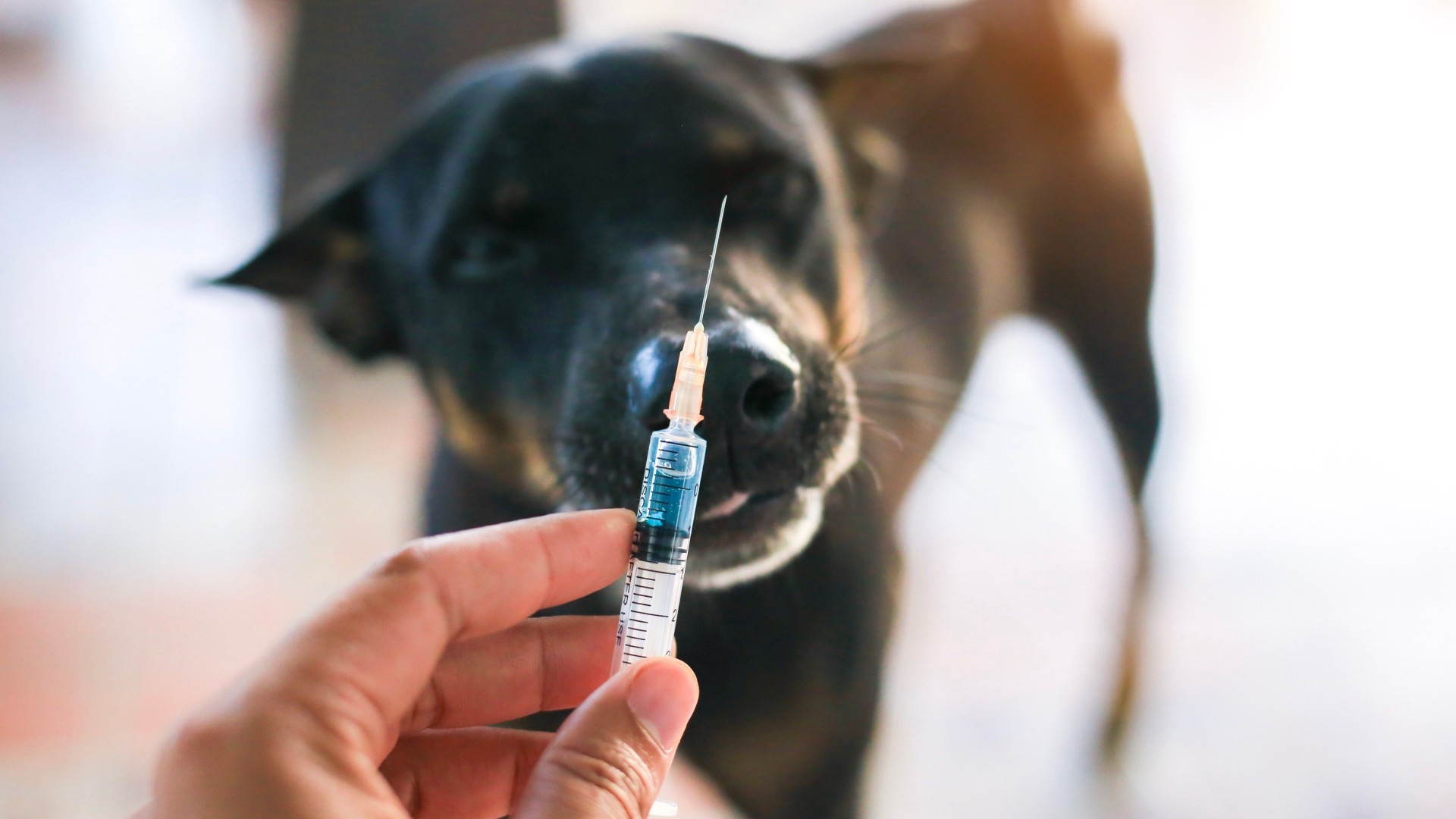
Rabies
Rabies is primarily transmitted from mammals, such as dogs and cats, to humans. The disease can spread through bites, scratches, or even contact with saliva from an infected animal, especially if it comes into contact with an open wound, eyes, mouth, or nose. Once the virus enters the body and is left untreated, symptoms typically appear within 15-60 days, although in some cases, it may take up to a year. Since there is no cure for rabies at present, patients can die within 2-7 days after symptoms appear.
Symptoms of Rabies Infection
- Early Stage: Itching at the wound site, fever, chills
- Neurological Stage: Hydrophobia, delirium, muscle weakness
- Coma Stage: Heart failure, which can lead to death
First Aid When Bitten by an Animal
- Wash the wound with clean water and soap for at least 15 minutes
- Immediately seek medical attention to receive rabies vaccination
- Notify local health authorities for disease control, especially if the animal is suspected to have rabies.
- Quarantine the animal and observe for at least 10 days.
Source : Thai Nakarin Hospital
**Translated and compiled by ArokaGO Content Team
Independent Writer
Share this article
More Articles
Discover more insights on health care and medical tourism.

7 Ways to Reduce the Risk of Fatty Liver Disease
Fatty Liver Disease is a condition in which fat accumulates within liver cells. When fat makes up more than 5–10% of the liver’s weight, it is considered fatty liver disease. This can lead to liver inflammation, liver cell damage, and the formation of scar tissue (fibrosis), which may eventually progress to cirrhosis.If the condition advances to cirrhosis, it can no longer be cured with medication or medical procedures. Treatment at that stage focuses on managing symptoms and reducing liver fat through lifestyle changes and medical guidance.

When Should You Start Ulthera (Ultherapy)
On average, this typically occurs around the age of 30 and above, when collagen loss becomes more noticeable. At this stage, the skin structure starts to thin, the jawline becomes less defined, and the cheeks may begin to sag.

Rabies: A Hidden Danger for Pet Owners
Rabies, also known as hydrophobia, is a serious and often fatal disease transmitted from animals to humans.