What Causes a Rotator Cuff Tear? Checking Warning Signs and Treatment Methods

A rotator cuff tear is one of the primary causes of chronic shoulder pain, frequently affecting both the elderly and athletes. It directly impairs arm elevation and daily activities. Understanding how rotator cuff tears occur, promptly recognizing warning signs, and selecting targeted recovery methods can prevent further tendon damage and restore smooth mobility to the shoulder joint.
Understanding Rotator Cuff Tears and the Shoulder Tendon Group
A rotator cuff tear arises from abnormalities within the shoulder tendon group (the Rotator Cuff), which comprises four main muscles and tendons. These function to secure the humerus head within the scapular socket while enabling arm rotation and overhead elevation. When this tendon group experiences injury, inflammation, or tearing, the shoulder joint loses mechanical balance, leading to persistent tightness, pain, and noticeable muscle weakness.
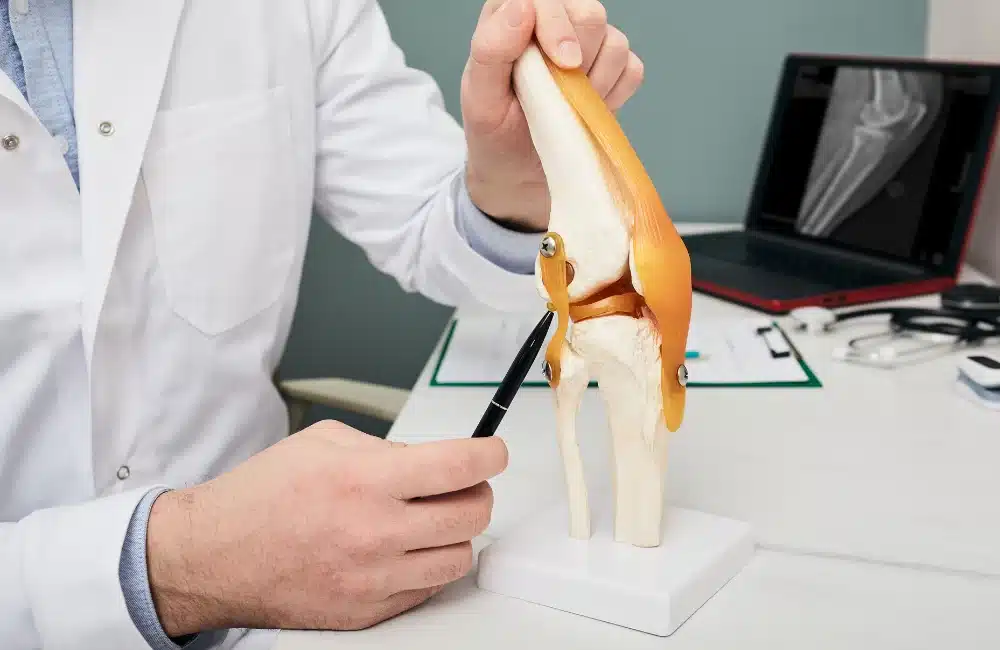
Common Patterns of Rotator Cuff Tears
The severity of a rotator cuff tear is classified based on the tissue pathology to help formulate an appropriate treatment plan:
1 Partial-Thickness Tear: An injury where the tendon is frayed or torn through only a portion of its total thickness, while its main structural body remains attached to the bone. Patients typically experience pain and tightness during specific ranges of motion (such as raising the arm high), though overall muscle strength remains partially functional.
2 Full-Thickness Tear: A full-thickness tear causes the tendon tissue to completely detach from its bone insertion site. This leads to severe pain, pronounced arm weakness, and an inability to raise the arm normally due to the loss of muscle force transmission.
Primary Causes of Rotator Cuff Tears
Rotator cuff tears stem from various cumulative factors, with common primary causes including:
1 Age-Related Degeneration (Ages 50+): As age advances, blood circulation supplying the shoulder tendons progressively decreases. Combined with bone spur buildup beneath the acromion that constantly impinges upon and rubs against the tendons, the tissue thins out and becomes susceptible to tearing.
2 Acute Traumatic Injury and Arm Jerking: Traumatic impacts—such as falling onto an outstretched hand, sudden violent arm pulling, or traffic accidents - exert acute mechanical strain that forcibly pulls and tears tight tendons away from their bone insertion points.
3 Repetitive Overhead Movements and Improper Sports Technique: Frequently observed in tennis players, badminton players, individuals using improper weightlifting form, or workers requiring overhead arm reach. Repetitive friction creates micro-trauma within the tissue, eventually developing into a chronic rotator cuff tear.
Warning Symptoms of a Rotator Cuff Tear You Should Not Ignore
Identifying warning signs of a rotator cuff tear early allows for timely evaluation and rehabilitation before tendon retraction occurs:
1 Anterior and Lateral Shoulder Pain Radiating Down the Upper Arm: Patients often feel a deep, dull ache at the front or side of the shoulder, which may radiate along the lateral side of the upper arm, particularly during arm elevation or shoulder rotation.
2 Severe Pain When Lying on the Affected Side: A classic symptom of a rotator cuff tear is intensified pain at night, especially when lying on the affected shoulder. Compressive pressure heightens inflammation within the bursa and tendon tissue, disturbing sleep.
3 Arm Weakness, Inability to Raise the Arm, or Difficulty Combing Hair / Reaching Behind the Back: Due to disrupted tendon connectivity, patients experience muscle weakness, inability to hold the arm elevated in mid-air, and difficulty performing daily tasks requiring shoulder rotation (such as combing hair, buttoning clothes from behind, or reaching for a seatbelt).
Can a Rotator Cuff Tear Heal on Its Own? Why You Shouldn't Leave It Untreated
Medically, torn shoulder tendons cannot reattach or heal spontaneously on their own. Leaving the condition untreated can cause the tear size to enlarge, the tendon end to retract, and the surrounding shoulder muscles to atrophy, eventually leading to secondary shoulder joint degeneration and long-term movement disability.
Diagnostic Procedures for Assessing Severity
A comprehensive diagnostic evaluation includes:
- Specialized Shoulder Physical Examination: Assessing range of motion, resisted strength tests, and identifying localized tenderness.
- X-ray Imaging: Evaluating bony architecture, bone spur formation, and joint space narrowing.
- MRI Scan: Precisely assessing the exact location, tear size, and quality of the tendon tissue.
Non-Surgical Conservative Treatment Options
For patients with partial-thickness tears or those with surgical contraindications, conservative management is prioritized to alleviate pain and restore shoulder functionality:
1 Physical Therapy Combined with Shockwave Therapy: Physical therapy focusing on stretching routines and scapular muscle strengthening, paired with high-energy Shockwave Therapy, helps break down scar tissue, stimulate tissue repair, and reduce inflammatory pain at the target site.
2 High-Frequency Radiofrequency Deep Tissue Recovery: Delivering high-frequency radiofrequency energy into deep muscle and tendon layers promotes vasodilation, increases blood flow and oxygen delivery to injured tissue, reduces joint stiffness, and helps patients regain comfortable arm movement.
When Arthroscopic Shoulder Surgery Is Considered
In cases involving full-thickness tears or severe pain unresponsive to medication and physical therapy, physicians may consider Arthroscopic Rotator Cuff Repair. This minimally invasive technique reduces tissue trauma and facilitates a faster postoperative recovery.
Rotator Cuff Rehabilitation Program at KLOSS Wellness Clinic
KLOSS Wellness Clinic provides dedicated care and rehabilitation for patients with rotator cuff tears through Precise Personalized Plans. Our team of medical specialists and professional physical therapists integrates modern medical innovations—such as the Active Cell Therapy (ACT) program alongside international-standard physical therapy modalities—to restore joint strength and sustainably prolong shoulder health.
Summary Caring for Your Shoulder Joint for Long-Term Health
A rotator cuff tear is a musculoskeletal condition that warrants prompt diagnostic evaluation and proper management from its early stages. Combining lifestyle modifications with targeted innovative physical therapy alleviates pain and safeguards against future joint degeneration. If you wish to safely plan your shoulder recovery, KLOSS Wellness Clinic is ready to guide you and your loved ones through every step under our vision: “Where Wellness Meets Innovation.”
Reference :
Kloss Wellness Clinic
Share this article
More Articles
Discover more insights on health care and medical tourism.

Constipation: A Health Problem You Shouldn't Ignore
Constipation is a common digestive problem that many people experience for extended periods. Some may consider it a normal part of everyday life.

What Causes Shoulder Pain? Warning Signs and Recovery Methods
Shoulder pain is a common musculoskeletal health issue affecting people of all ages, from athletes and heavy shoulder users to working adults and the elderly. Ignoring persistent tightness and pain can lead to impaired movement mechanics. Understanding the causes, recognizing warning signs, and knowing preliminary observations - including heart conditions that may radiate pain to the left shoulder - will help ensure you receive prompt and accurate medical care.

Stem Cell Therapy for Knee Osteoarthritis: Benefits and Key Facts
Knee osteoarthritis is a health condition that causes significant suffering in daily life, particularly due to joint pain, stiffness, and restriction. Innovative alternatives such as stem cell application have gained widespread attention as a regenerative approach for joint physiology. This article explores the medical role and benefits of stem cells, along with proper guidelines for knee health care.