What Causes Shoulder Pain? Warning Signs and Recovery Methods

Shoulder pain is a common musculoskeletal health issue affecting people of all ages, from athletes and heavy shoulder users to working adults and the elderly. Ignoring persistent tightness and pain can lead to impaired movement mechanics. Understanding the causes, recognizing warning signs, and knowing preliminary observations - including heart conditions that may radiate pain to the left shoulder - will help ensure you receive prompt and accurate medical care.
Understanding Shoulder Joint Structure and Shoulder Pain
The shoulder joint consists of the clavicle (collarbone), scapular bone (shoulder blade), and humerus (upper arm bone), working in coordination with tendons, muscles, and lubricating bursae to allow multi-directional arm movement. Shoulder pain occurs when inflammation, injury, or degeneration affects these tissues, resulting in pain and restricted range of motion.
Primary Causes of Common Shoulder Pain
The root causes of shoulder joint pain are broadly categorized into two main groups: acute traumatic injuries and chronic degeneration caused by aging or repetitive usage habits.
Shoulder Pain from Traumatic Injuries and Accidents
Typically results from falling onto the shoulder, traffic accidents, or sports injuries, leading to muscle contusions, rotator cuff tears, shoulder dislocations, or bone fractures.
Shoulder Pain from Degeneration and Overuse
Caused by regular heavy lifting, chronic poor posture during work, shoulder osteoarthritis, bone spurs impinging on tendons, or calcific tendonitis leading to chronic tissue inflammation.
Checking Shoulder Pain Locations: What Conditions Do They Indicate?
The specific location of shoulder pain can help identify underlying pathology and guide targeted treatment approaches:
- Anterior (Front) Shoulder Pain: Commonly stems from inflammation or tearing of the biceps tendon, or acromioclavicular joint degeneration.
- Lateral (Side) Shoulder Pain: Frequently associated with rotator cuff tendinitis, subacromial impingement, or tendon tears, typically worsening when raising the arm overhead.
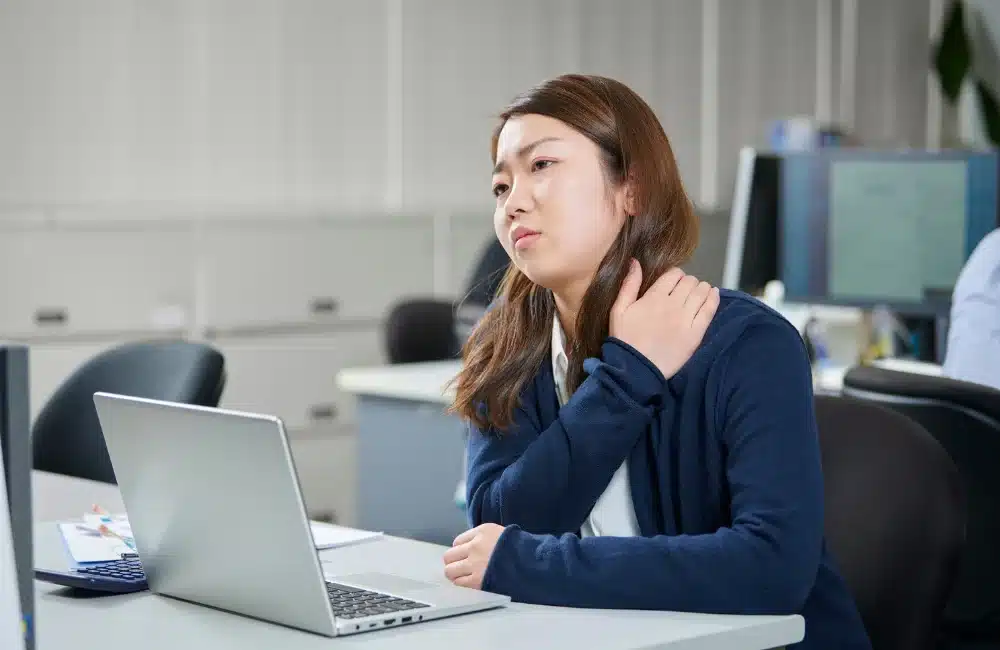
- Posterior (Back) Shoulder Pain: Mainly arises from scapular and posterior shoulder muscle tension or spasm caused by prolonged computer use.
Warning Signs of Shoulder Pain That Warrant Immediate Medical Attention
If you experience any of the following red-flag symptoms, seek prompt medical evaluation:
- Sudden, severe pain following an injury or visible joint deformity.
- Arm weakness, inability to elevate the arm, or loss of normal joint movement.
- Chronic pain persisting for more than 2 weeks despite rest and cold compress therapy.
- Pain radiating down from the neck, numbness extending to the fingers, or pain radiating to the jaw and left chest, which may indicate non-orthopedic emergencies such as underlying heart conditions.

Diagnostic Procedures for Identifying Shoulder Pain Causes
Diagnostic processes in physical therapy and physical medicine include:
- History Taking & Physical Exam: Evaluating usage history, injury mechanisms, and identifying localized tenderness.
- Movement & Muscle Strength Testing: Assessing joint Range of Motion (ROM) and manual muscle power.
- X-ray Imaging: Checking bone structures, bone spur formations, or calcifications.
- MRI Scan: Detailed evaluation of tendon damage, rotator cuff tears, and labral injuries.
Non-Surgical Treatment Methods for Shoulder Pain
Initial management emphasizes suppressing inflammation and restoring joint function through conservative care, physical therapy, and modern medical technology:
1 Physical Therapy & Mobility Rehabilitation: Incorporating joint mobilization to break down adhesions in frozen shoulder, strengthening muscles surrounding the scapula, and proper stretching exercises to prevent recurrent injury.
2 Shockwave Therapy and Anti-Inflammatory High-Power Laser: High-Energy Shockwave Therapy breaks down calcifications and tight scar tissue, while High-Power Laser Therapy accelerates deep tissue repair and effectively alleviates pain.
Shoulder Pain Treatment Program at KLOSS Wellness Clinic
KLOSS Wellness Clinic focuses on personalized care for bone, joint, and muscle systems through Precise Personalized Plans. We combine advanced medical technology - such as the Active Cell Therapy (ACT) program for deep tissue regeneration—with targeted physical therapy delivered by medical specialists and professional physical therapists to ensure balanced body recovery.
Summary: Caring for Your Shoulder for Better Quality of Life
Shoulder pain is a warning signal sent by your body when structural abnormalities occur. Early diagnosis and physical therapy help restore smooth shoulder mobility without relying on surgery. KLOSS Wellness Clinic is ready to guide your back and joint care plan to help you reclaim your quality of life at every stage, under our core concept: “Where Wellness Meets Innovation.”
Reference :
Kloss Wellness Clinic
Share this article
More Articles
Discover more insights on health care and medical tourism.

Constipation: A Health Problem You Shouldn't Ignore
Constipation is a common digestive problem that many people experience for extended periods. Some may consider it a normal part of everyday life.

What Causes a Rotator Cuff Tear? Checking Warning Signs and Treatment Methods
A rotator cuff tear is one of the primary causes of chronic shoulder pain, frequently affecting both the elderly and athletes. It directly impairs arm elevation and daily activities. Understanding how rotator cuff tears occur, promptly recognizing warning signs, and selecting targeted recovery methods can prevent further tendon damage and restore smooth mobility to the shoulder joint.

Stem Cell Therapy for Knee Osteoarthritis: Benefits and Key Facts
Knee osteoarthritis is a health condition that causes significant suffering in daily life, particularly due to joint pain, stiffness, and restriction. Innovative alternatives such as stem cell application have gained widespread attention as a regenerative approach for joint physiology. This article explores the medical role and benefits of stem cells, along with proper guidelines for knee health care.