Stop Hair Thinning, Boost Hair Density with Hair Transplantation

FUE Hair Transplantation (Follicular Unit Extraction) is a hair restoration technique that involves extracting individual hair follicles and transplanting them to areas of thinning or hair loss.The procedure uses a specialized punch tool, typically 0.6-1.0 millimeters in diameter, to carefully extract hair follicles from the back of the scalp-an area where hair is naturally stronger and more resistant to hair loss. The extraction is performed with precision to avoid damaging the follicles.Because of the delicate nature of the procedure, FUE must be performed by experienced specialists using advanced, fine instruments. As a result, this method leaves minimal scarring, with tiny, nearly invisible marks at the donor area.
Who Is FUE Hair Transplant Suitable For?
- Individuals experiencing excessive hair loss, thinning hair, or baldness
- Those who want to improve facial aesthetics by adjusting the hairline
- Individuals with a high or receding hairline
- Those with limited time who prefer minimal downtime
- Individuals with thinning hair at the crown
- Those who want to conceal scalp scars
Benefits of FUE Hair Transplant
- Natural-looking results: The transplanted hair is real hair, giving a natural appearance
- Stronger hair growth: Newly grown hair is typically stronger and less prone to falling out
- No downtime required: Patients can return to daily activities immediately after the procedure
- Minimal discomfort: The scalp feels less tight, with minimal pain and bleeding
- High graft survival rate: Newly transplanted hair has a high success rate of growth
- Minimal scarring: Tiny wounds (about 1 mm, similar to hair follicles) heal naturally on their own
How Long Does an FUE Hair Transplant Take?
- An FUE hair transplant typically takes around 5–8 hours, depending on the number of grafts being transplanted.

2. FUT Hair Transplant (Strip Method)
FUT (Follicular Unit Transplantation), also known as the strip method, involves transplanting hair follicles from areas with strong hair growth—such as the back or sides of the scalp-to areas with thinning hair.
This procedure is a minor surgery that does not require general anesthesia; instead, local anesthesia is administered in the donor area. A strip of scalp containing hair follicles is then removed, after which the follicles are carefully separated under a microscope.
All steps must be performed under the supervision of a specialized and experienced hair transplant surgeon to ensure precision and optimal results.
Who Is FUT Hair Transplant Suitable For?
- Individuals with severe hair loss or thinning that is difficult to treat due to weakened hair follicles
- Those with limited donor hair at the back of the scalp, making FUE unsuitable
- Individuals with baldness who want to significantly improve the frontal hairline
- Those with large areas of hair thinning requiring a high number of grafts (e.g., more than 2,000 grafts)
Benefits of FUT Hair Transplant
- Low graft damage rate: Only about 1–2% of grafts are damaged
- High-quality grafts: Hair follicle tissue quality ranges from 95-100%
- Suitable for large sessions: Can transplant more than 2,000 grafts in one procedure
- Scar can be concealed: The linear scar at the back can be covered by longer hair
- Minimal visible scarring: Leaves a thin, barely noticeable line
- Suitable for all types of hair loss: Effective even in more advanced cases of baldness
How Long Does an FUT Hair Transplant Take?
An FUT hair transplant typically takes around 4–9 hours, depending on the number of grafts being transplanted.
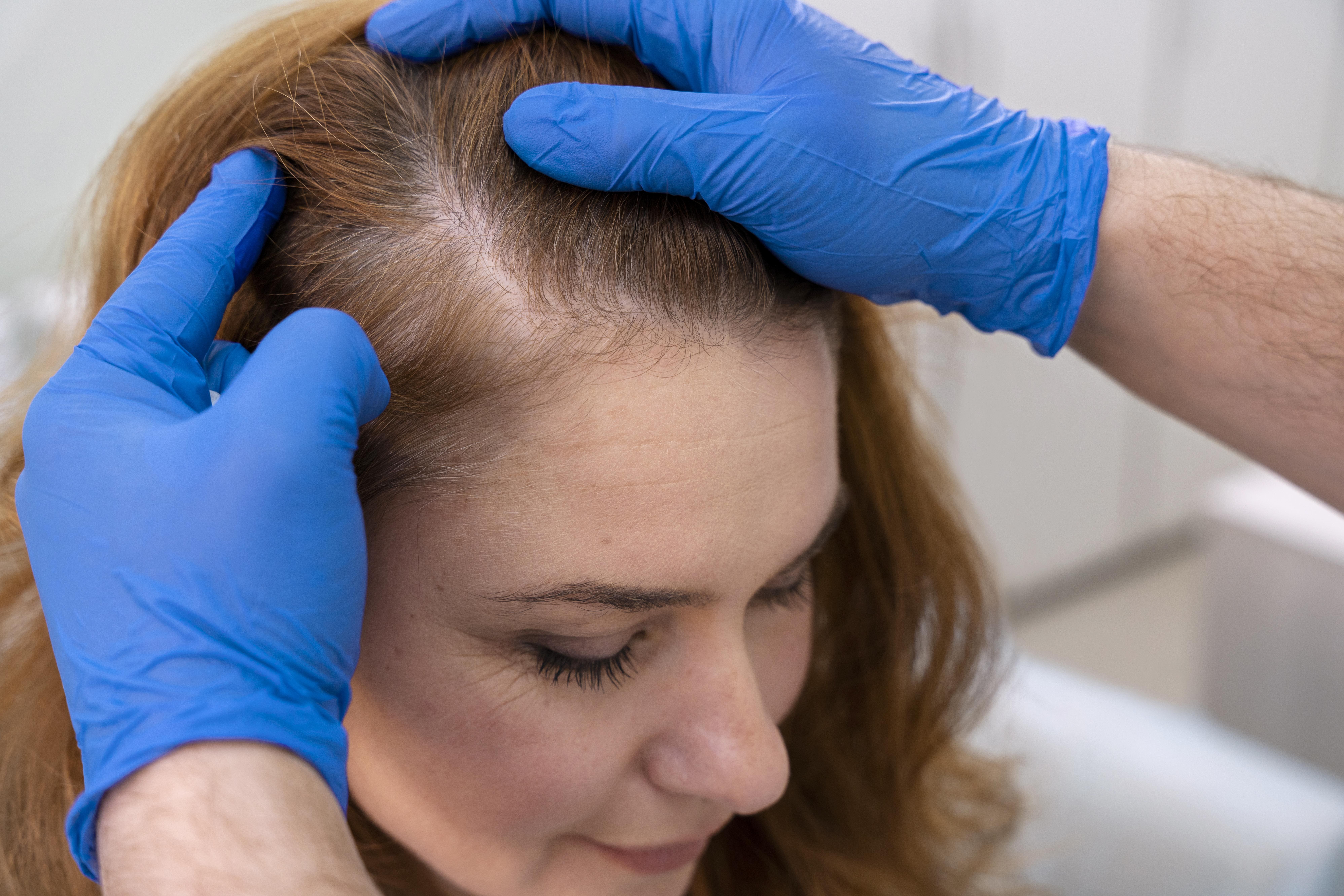
Is Hair Transplant Permanent?
Hair transplantation is considered permanent, as it uses your own hair follicles for implantation.
Preparation Before Hair Transplant
- Avoid tea, coffee, and alcoholic beverages
- Eat a proper meal beforehand, as the procedure takes several hours
- Take your regular medications as prescribed (e.g., for diabetes or hypertension), except for blood-thinning medications
- Wear a front-button shirt or a wide-neck T-shirt for easy changing
- Wash your hair thoroughly before the procedure
Post-Procedure Care After Hair Transplant
- Do not pick at scabs; they will naturally fall off within about 2 weeks
- Avoid alcohol for at least 2 days to prevent bleeding and swelling
- Avoid exercise for 3-4 days, and contact sports (e.g., football) for at least 1 month
- Avoid swimming and saunas for 1 month
- Avoid direct sunlight
- Avoid wearing tight hats
- You may shower and wash your face as usual
source : TRIA Medical Wellness
**Translated and compiled by ArokaGO Content Team
TRIA Medical Wellness Center
Share this article
More Articles
Discover more insights on health care and medical tourism.

Invasive Pneumococcal Disease (IPD)
Invasive Pneumococcal Disease (IPD) is a serious bacterial infection caused by Streptococcus pneumoniae. This bacterium commonly resides in the nose and throat and can spread from person to person in a similar way to the common cold-through coughing, sneezing, or contact with respiratory secretions.

Unlocking the Secret of Hormones for Youthfulness
As we age, many people begin to notice that their bodies are no longer the same. Skin that was once radiant may become dry and less firm. Energy levels decline, fatigue sets in more easily, sleep becomes less restful, and mood may not feel as bright as before. These changes are common, especially for individuals in their 40s to 60s.

How much sexual desire is needed to be called sex addiction?
Although sex is a natural part of being human, an obsession with having sex too much can become “sex addiction”. So, is your sexual preference considered this disorder? How often or how intense must sexual desire be to be called sex addiction?