The advantages of Subperiosteal and Interdomal Fixation (SPF)
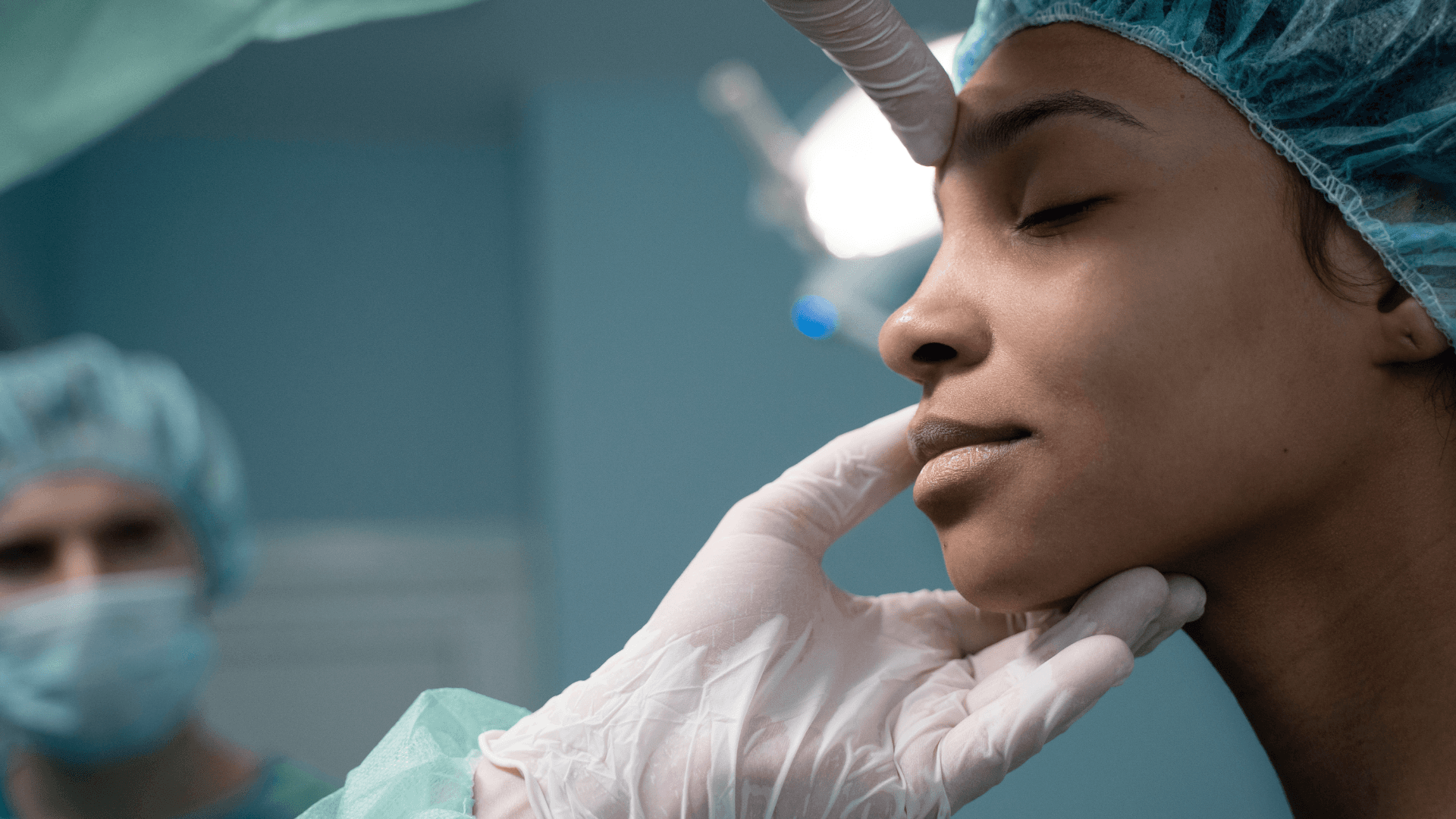
The Subperiosteal and Interdomal Fixation (SPIF) technique involves placing the nasal silicone between the periosteum and nasal bone to securely hold the base of the silicone in place. This creates a smooth and seamless border between the inner corners of the eyes after nose augmentation. Additionally, suturing the cartilage at the nasal tip (Interdome) raises the tip without putting pressure on the skin, reducing the risk of thin skin and perforation.
The SPIF technique immediately fixes the ridges of the silicone after the nose job, minimizing the chances of tilting when manipulating the nose tip. It results in a more lifted appearance compared to standard silicone augmentation.
For people considering nose augmentation, this technique offers both beauty and safety, reducing the likelihood of silicone rocking or tilting. It ensures a smoother outcome, prevents visibility of the edges, and maintains a natural match with the face shape, minimizing the risk of floating silicone. This knowledge can help instill confidence before deciding to undergo a nose job, as it helps address concerns related to penetration, distortion, and overall aesthetic results.
Several compelling reasons to choose nose augmentation with Dr. Got
1. The use of FDA-approved standardized silicone ensures safety and compliance with regulatory standards.
2. Dr. Got personalized approach, designing each procedure individually to achieve the best results for each patient.
3. The operating room meets the high safety standards set by the Ministry of Public Health, providing a secure environment for the surgery.
4. The silicone placement technique under the periosteum layer contributes to a more stable and desirable outcome.
5. Utilizing sutures to raise the cartilage at the nose tip enhances its appearance and ensures a natural look.
6. The assurance of a one-year warranty offers peace of mind, knowing that any concerns will be addressed.
Source: Seoul Clinic Thailand
Seoul Clinic, Pattaya
Share this article
More Articles
Discover more insights on health care and medical tourism.

Behind the Surgery: Getting to Know Dr. Tanongsak Panyawirunroj of Asia Cosmetic Hospital
When people think of plastic surgery, they often focus first on what can be seen after a procedure the shape of the face, the nose, the eyes, the breasts, or the contours of the body. Yet behind every visible change lies a far more complex process involving anatomical knowledge, surgical experience, patient assessment, and a series of medical decisions made before, during, and after surgery.

Cell Therapy in Thailand: A Guide to Mesenchymal Stromal Cells (MSCs) and Personalized Regenerative Care
Cell therapy is an evolving field within regenerative medicine that investigates how cells and cell-derived biological mechanisms may support tissue repair, immune regulation, and recovery.

Waking Up Tired? It Could Be a Sign of Adrenal Fatigue
Every morning, your adrenal glands quietly get to work producing the hormones that help you feel refreshed and ready to take on the day, whether that's a busy schedule at the office or simply the energy to enjoy your morning routine. So when a bright, easy start to the day starts to feel harder to come by, and even things you usually enjoy feel like an effort, it's worth paying attention. This shift is often the body's way of asking for support a sign sometimes referred to as adrenal fatigue.