Understand Chickenpox & Shingles: Know Them, Prevent Them

Understand Chickenpox & Shingles: Know Them, Prevent Them
Did you know?
Chickenpox and Shingles are caused by the same virus.
The Varicella-Zoster Virus (VZV) is responsible for both conditions, but symptoms appear differently at different stages of life. Understanding these two illnesses can help you take preventive measures and seek timely treatment.
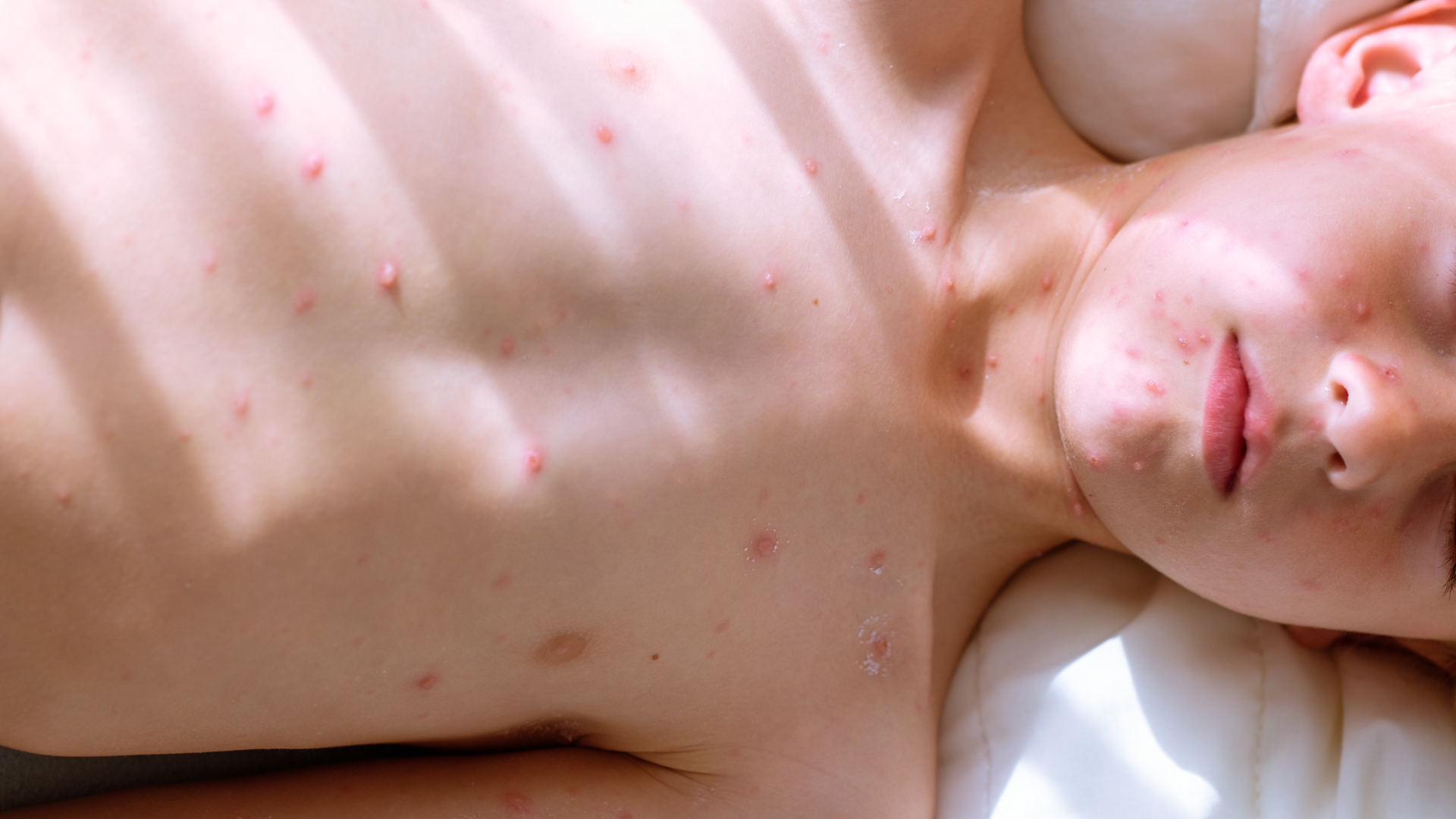
Chickenpox
Who is at risk?
Chickenpox commonly affects children or individuals who have never had the infection before.
Transmission
Chickenpox spreads through:
๐ Coughing
๐ Sneezing
๐ Direct contact with fluid from blisters.
Symptoms
๐ Fever
๐ Fatigue
๐ Red, itchy rash that spreads across the body
๐ The rash progresses into fluid-filled blisters, which then form scabs.
Treatment
๐ Antiviral medications to reduce the severity of symptoms
๐ Fever reducers to control temperature
๐ Anti-itch medications to relieve itching
๐ Avoid scratching to prevent scarring
Even after recovery, the virus is not completely eliminated-it remains dormant in the nerve ganglia.
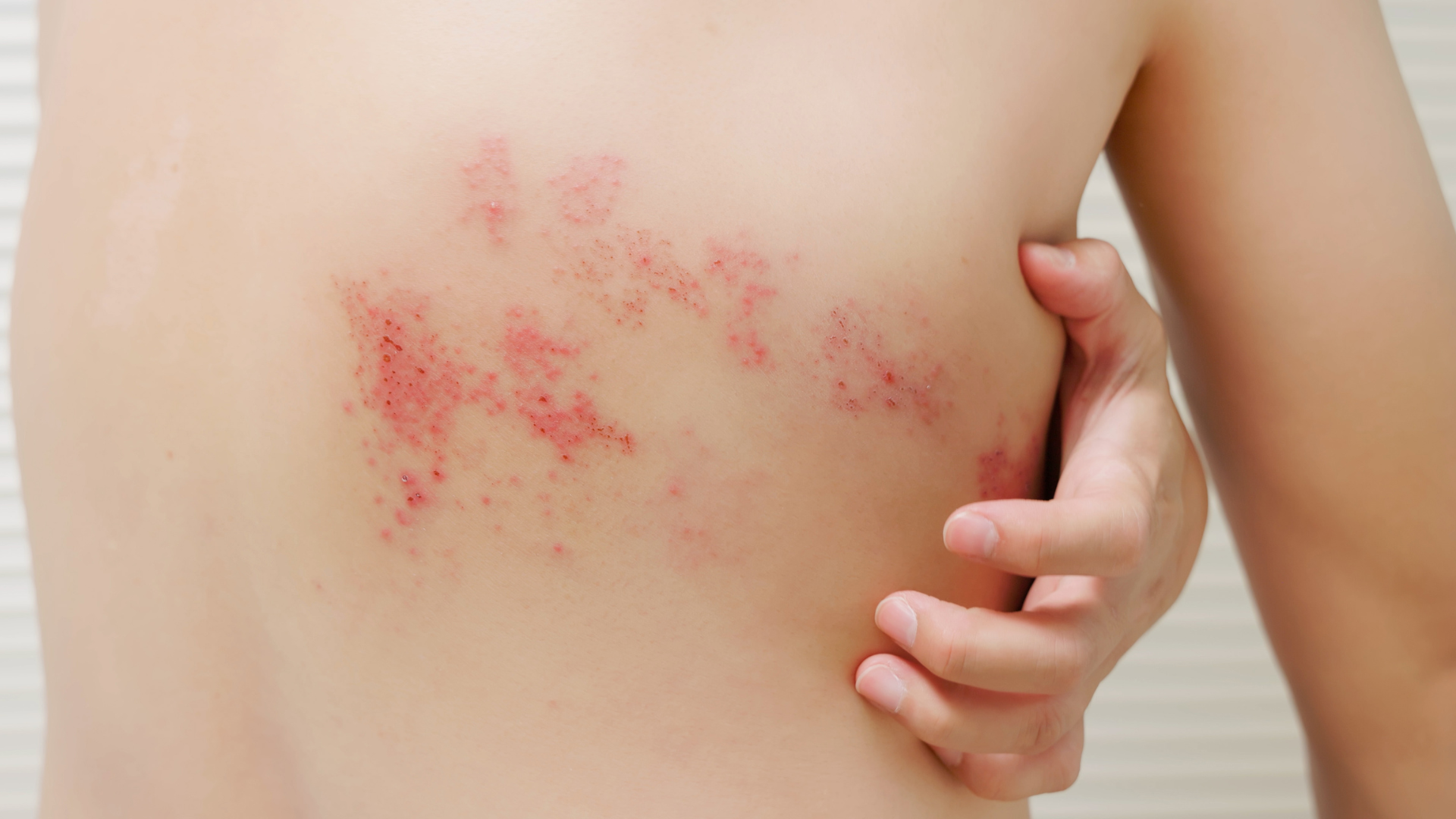
Shingles
Who is at risk?
Shingles is more common in older adults or individuals with weakened immune systems.
Cause
Shingles is caused by the reactivation of dormant VZV. This can occur due to factors such as:
๐ Stress
๐ Aging
๐ Underlying health conditions that weaken the immune system.
Symptoms
๐ Burning, tingling, or electric shock-like pain along a nerve pathway (usually on one side of the body)
๐ After 2-3 days, a red rash appears in clusters, followed by fluid-filled blisters.
Transmission
Shingles itself is not directly contagious. However, contact with the blister fluid can cause chickenpox in someone who has never had it before.
Common Complication
๐ Postherpetic Neuralgia (PHN): This is persistent nerve pain that can last for months or even years. It significantly affects the quality of life of the person experiencing it.
Important
If shingles is suspected, seek medical attention within 72 hours to receive antiviral treatment. This can:
๐ Reduce the severity of symptoms
๐ Lower the risk of long-term nerve pain (PHN)
Prevention Through Vaccination
Chickenpox Vaccine
The chickenpox vaccine is recommended starting from 1 year of age:
๐ Ages 1-12 years: 2 doses, at least 3 months apart
๐ Ages 13 and older: 2 doses, at least 1 month apart
Shingles Vaccine
The shingles vaccine is recommended for adults aged 50 years and older or younger individuals with weakened immune systems:
๐ 2 doses, given 2-6 months apart
๐ Helps reduce the risk and severity of shingles.
Conclusion
Both chickenpox and shingles are caused by the same virus, but they affect different age groups and cause different symptoms. Preventing chickenpox with vaccination can help reduce the risk of shingles later in life. If you are at risk for shingles, consider getting the shingles vaccine to reduce the severity and risk of complications. Early treatment is essential for both conditions to minimize complications and speed
source : Rajavej Hospital Chiangmai
**Translated and compiled by ArokaGO Content Team
Independent Writer
Share this article
More Articles
Discover more insights on health care and medical tourism.

Difference Between “General Massage” and “Anatomy & Wellness Massage”
Anatomy & Wellness Massage combines relaxation with an understanding of muscle structure and body balance. It helps relieve tension, muscle pain, and stiffness, restore movement, and address the root causes of discomfort. Suitable for people with Office Syndrome or chronic muscle pain.

Songkran Warning: How to Prevent and Handle “Shoe Suction” Injuries During Water Festival Celebrations
As Thailand celebrates Songkran, many festival-goers are enjoying water splashing in the streets, but one surprisingly common issue keeps returning every year, the so-called “shoe suction” problem, when wet slip-on sandals or rubber shoes become stuck tightly to the foot or ankle after prolonged exposure to water.

Office Syndrome: A Common Health Problem Among Modern Workers
In an era when working in front of a computer has become part of everyday life, Office Syndrome has emerged as one of the most common health concerns among working-age adults.