Understanding Thailand’s Spiritual Symbol of Life Transition and Cultural Wellness as a Global Advantage

Rahu is a powerful cultural symbol rooted in ancient Hindu–Brahmin traditions and deeply embedded in Thai culture. Symbolically, Rahu represents life transitions, uncertainty, disruption, and transformation moments such as career changes, emotional stress, illness, or major turning points in life.
In a modern global context, Rahu is no longer viewed solely through the lens of belief. Instead, it can be understood as a representation of Spiritual and Mental Wellness, aligning closely with contemporary interests in mindfulness, emotional resilience, and inner balance.
From Spiritual Symbol to Cultural Wellness
Cultural Wellness refers to the integration of cultural wisdom, symbolic narratives, and local traditions into wellness experiences that support mental and emotional wellbeing without making medical or supernatural claims.
Within this framework, Rahu becomes a metaphor for navigating uncertainty. It reflects a universal human experience: facing change, managing stress, and seeking clarity during difficult phases of life. This interpretation resonates strongly with international wellness travelers who often seek healing journeys during periods of burnout, transition, or personal reassessment.
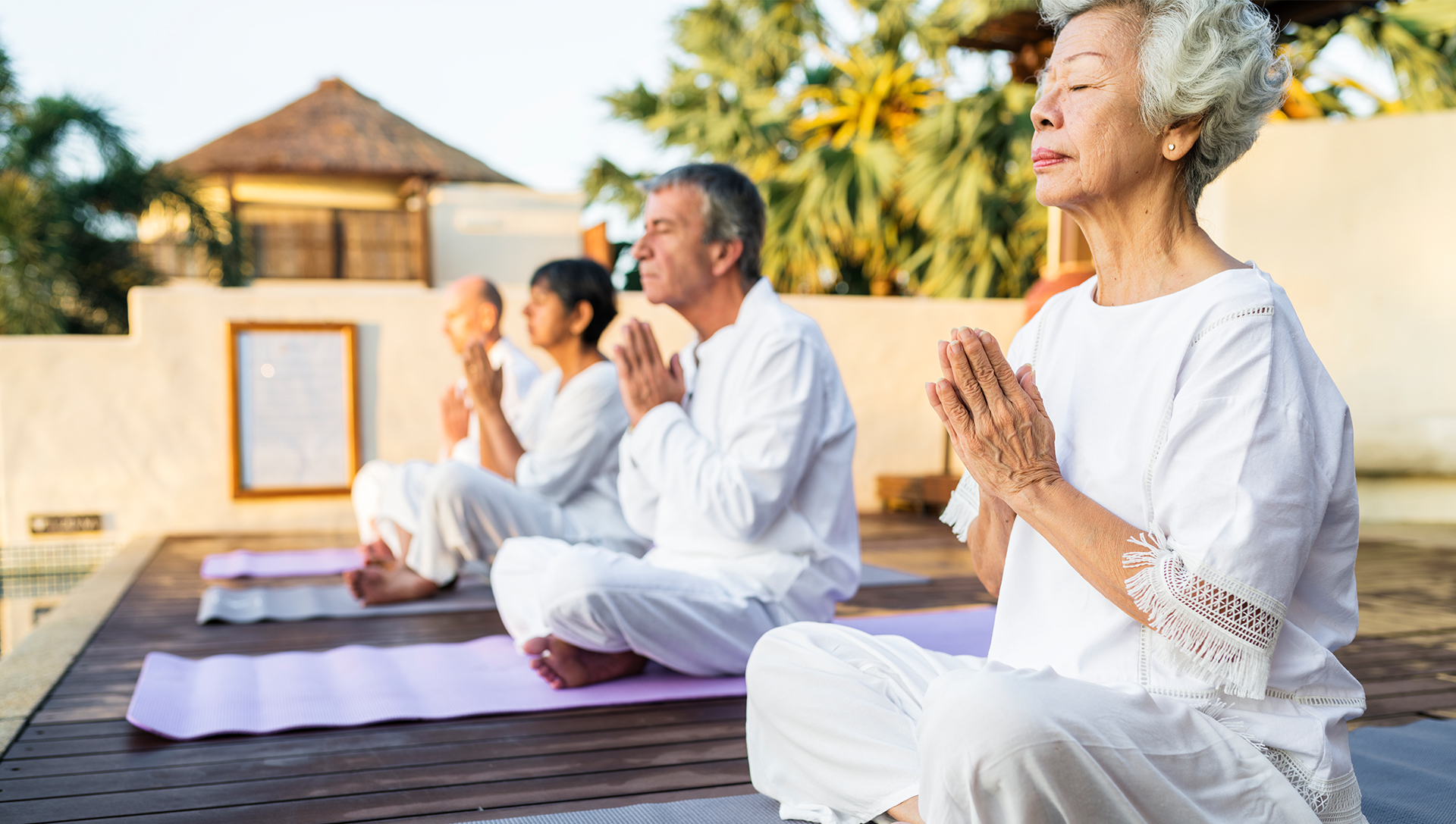
Cultural Wellness as Thailand’s Competitive Advantage
Thailand’s global reputation in Medical and Wellness Tourism extends beyond clinical excellence and hospitality. Its true competitive edge lies in its ability to seamlessly combine medical care, mental wellness, and cultural depth.
By thoughtfully incorporating cultural narratives such as Rahu into wellness-oriented programs such as stress recovery, mindfulness retreats, sleep optimization, or life-reset journeys Thailand offers a more holistic experience than purely treatment-focused destinations.
On the ArokaGO platform, Rahu-related content is presented in an educational, ethical, and wellness-oriented framework. The focus is on cultural understanding, emotional wellbeing, and meaningful travel experiences never on religious rituals or medical claims.
Through this approach, ArokaGO helps global travelers:
• Understand Thai cultural wellness in a safe and credible way
• Discover trusted medical and wellness services
• Experience Thailand as a destination that heals both body and mind
This integration of culture and care represents a powerful form of Thai soft power positioning Thailand as a leader in the future of global medical and wellness tourism.
Independent Writer
Share this article
More Articles
Discover more insights on health care and medical tourism.

Songkran Warning: How to Prevent and Handle “Shoe Suction” Injuries During Water Festival Celebrations
As Thailand celebrates Songkran, many festival-goers are enjoying water splashing in the streets, but one surprisingly common issue keeps returning every year, the so-called “shoe suction” problem, when wet slip-on sandals or rubber shoes become stuck tightly to the foot or ankle after prolonged exposure to water.

Office Syndrome: A Common Health Problem Among Modern Workers
In an era when working in front of a computer has become part of everyday life, Office Syndrome has emerged as one of the most common health concerns among working-age adults.

Urine does not flow, cannot hold urine
Urine does not flow, cannot hold urine, check urgently before it becomes an enlarged prostate or BPH (Benign Prostate Hyperplasia).