What are Dental Implants? An Explanation for Holistic Treatment
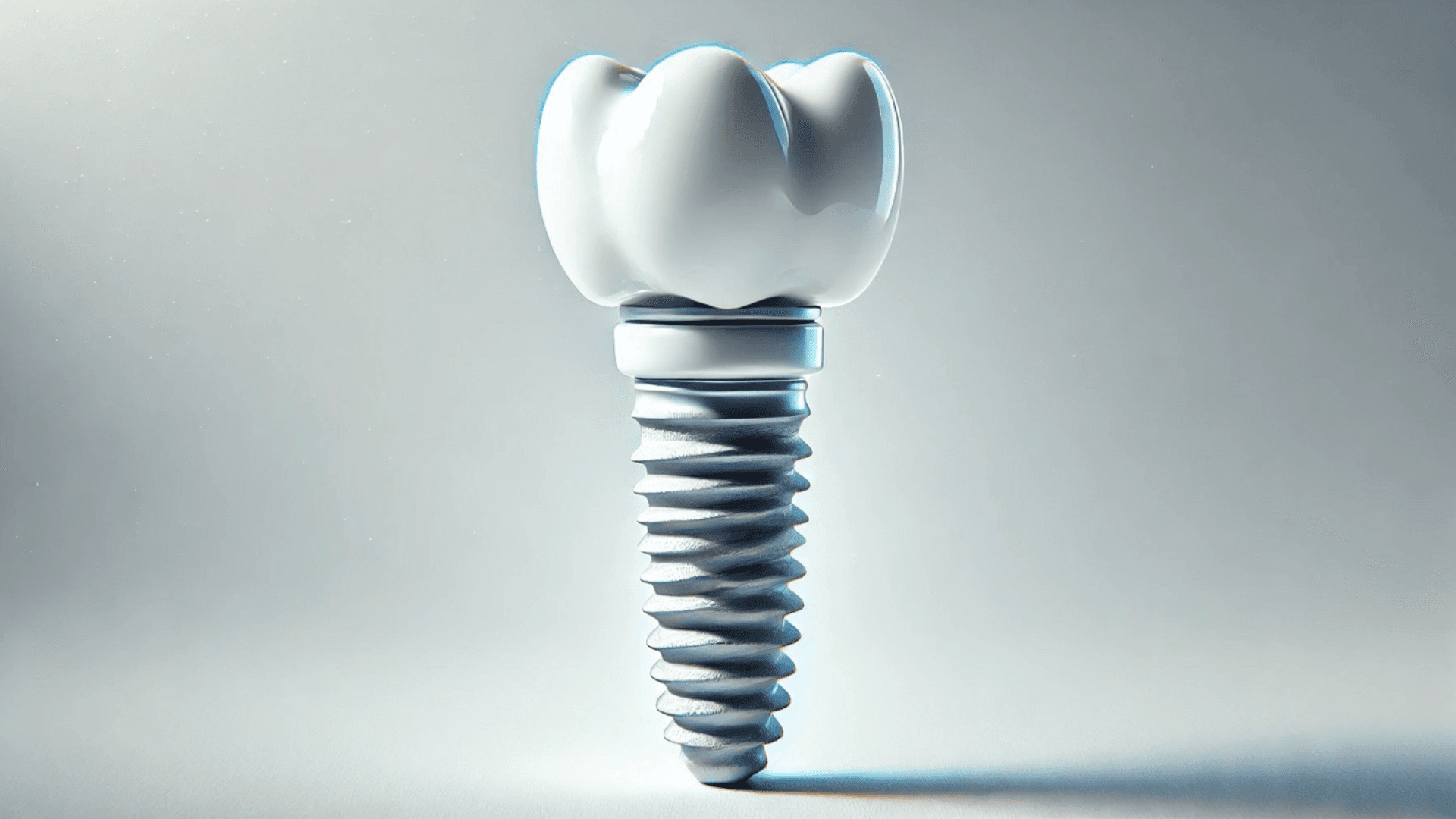
Dental implants are a widely used solution for replacing missing teeth. These implants function as artificial tooth roots, resembling small screws, and are inserted into the jawbone where teeth are missing. Once in place, they provide a stable foundation for crowns or dentures, enabling individuals to chew food, speak clearly, and smile confidently, as dental implants closely mimic the appearance and function of natural teeth.
Advantages of Dental Implants
Dental implants offer several benefits, making them one of the preferred methods for tooth replacement when oral health conditions are suitable:
- Chewing Efficiency: Dental implants facilitate easier and more effective chewing compared to other tooth replacement options.
- Clear Speech: They help improve clarity of speech, which can be affected by missing teeth.
- Enhanced Confidence: The natural look and feel of dental implants can boost confidence in one’s smile and overall appearance.
Materials Used for Dental Implants
The choice of materials for dental implants plays a crucial role in their effectiveness and compatibility with the body. Common materials include:
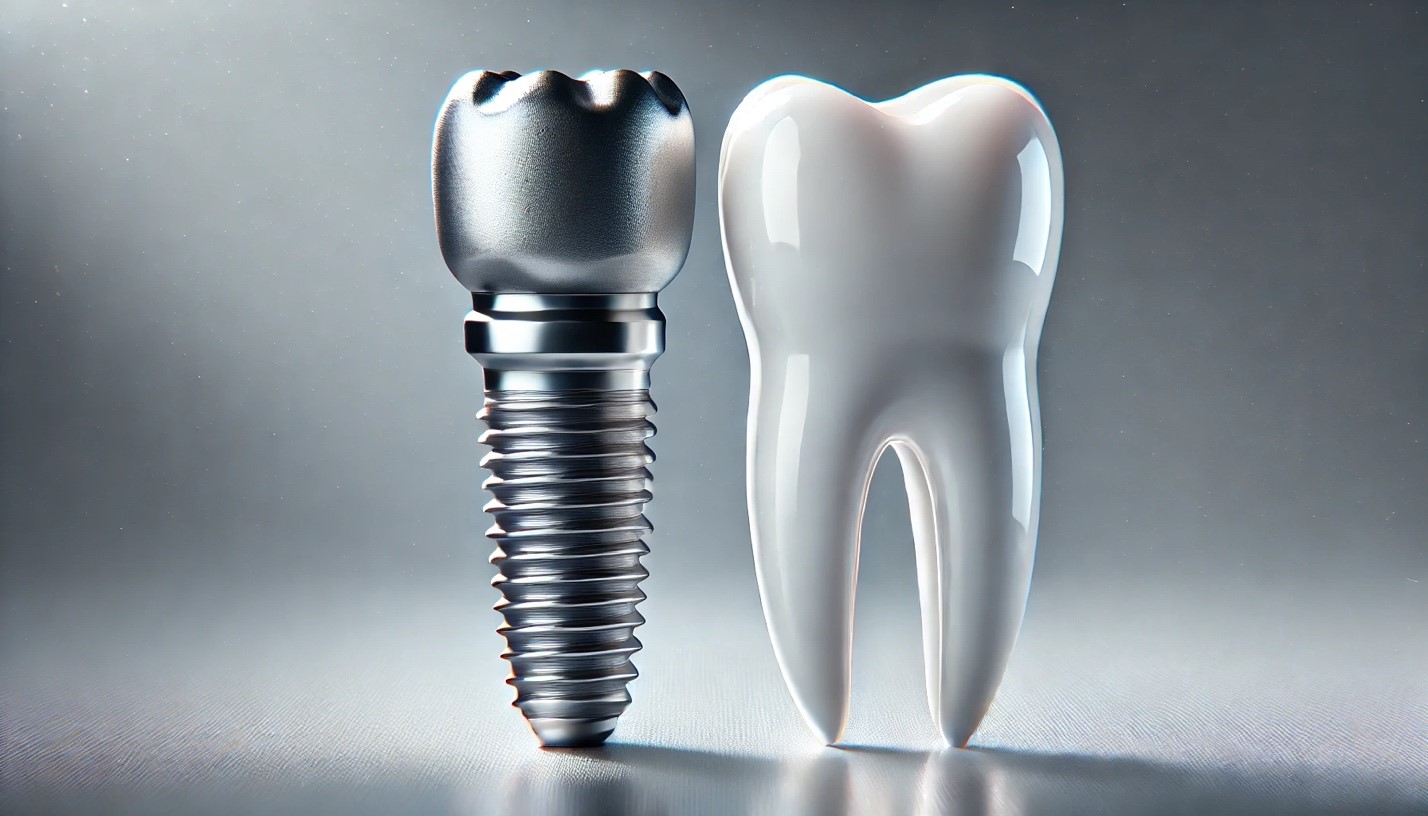
- Titanium: Known for its durability and biocompatibility, titanium has been the material of choice for dental implants for many years.
- Ceramic: Increasingly popular, ceramic implants are favored for their aesthetic appeal, safety, and resemblance to natural teeth. They are also free of metal, which can be an important consideration for some patients.
Holistic Approach to Dental Implants
A holistic approach to dental implants involves considering the patient's overall health and long-term well-being, not just their oral health. This means:
- Biocompatibility: Ensuring the materials used for implants are compatible with the body to reduce the risk of adverse reactions.
- Minimally Invasive Procedures: Using techniques that minimize tissue damage and promote faster healing.
- Long-Term Health Considerations: Selecting implant materials and methods that support long-term health, reducing the risk of complications.
Before opting for dental implants, it is important to address any underlying conditions that might affect the success of the treatment, such as periodontal disease, diabetes, or bone density issues. Consulting with a dental professional can help in assessing the suitability of implants and planning an appropriate treatment strategy.
Dental implants are a reliable and effective option for replacing missing teeth, offering benefits that enhance daily life and overall health. By understanding the materials used and the holistic approach to treatment, individuals can make informed decisions about their oral health care.
References:
[Periodontitis Symptoms - ArokaGO] (https://www.arokago.com/healthlibrary/periodontitis/symptoms)
[Medtopia Dental] (https://medtopiadental.com)
Medtopia Holistic Dental Clinic
Share this article
More Articles
Discover more insights on health care and medical tourism.

Waking Up Tired? It Could Be a Sign of Adrenal Fatigue
Every morning, your adrenal glands quietly get to work producing the hormones that help you feel refreshed and ready to take on the day, whether that's a busy schedule at the office or simply the energy to enjoy your morning routine. So when a bright, easy start to the day starts to feel harder to come by, and even things you usually enjoy feel like an effort, it's worth paying attention. This shift is often the body's way of asking for support a sign sometimes referred to as adrenal fatigue.

What are the Common Causes of Infertility?
Many people grow up looking forward to the day they can have children. However, many people find that they’re unable to have children no matter how hard they try. If you are having difficulty getting pregnant, the good news is that treatment is often available, meaning you can still have the family of your dreams. However, before you can treat infertility, you first need to know what is causing it, and there are several potential causes. There are numerous potential causes of infertility, and each can be treated in different ways, if at all. Below are some of the most common causes of all.

Thigh Liposuction
Thigh Liposuction, wave goodbye to big legs with the Liposuction method Have you ever dedicated yourself to heavy exercise, yet the fat around your thighs never seems to decrease? It is believed that many people who clicked to read this article are likely among those facing such issues, feeling more or less anxious about their body shape.