Articles by Dr. Kanchirat Luangaram
Expert insights on medical tourism, health treatments, and wellness from verified healthcare professionals.

Effects of Smoking on Oral Health
Smoking not only harms overall health—such as the lungs, heart, and brain—but also has significant negative effects on oral and dental health. Below are some of the key impacts that everyone should be aware of.
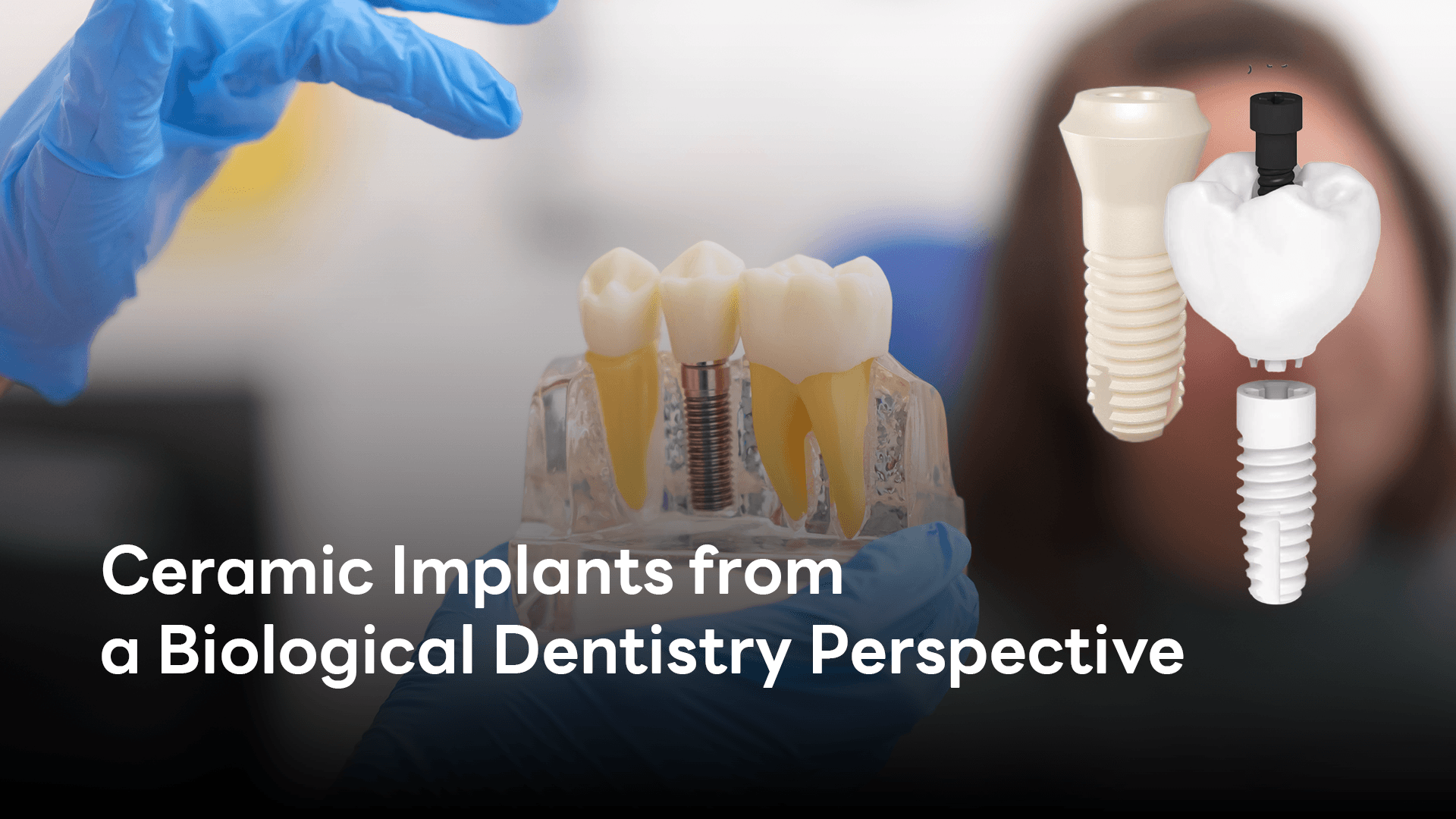
Ceramic Implants from a Biological Dentistry Perspective
According to the principles of Biological Dentistry, our primary focus is on the overall health of the patient. The materials we choose for treatment must therefore have high biocompatibility, not cause allergies, or have long-term harmful side effects on the body. One material that excellently meets this approach for restoring lost teeth is "Ceramic Dental Implants." What are Ceramic Dental Implants? Ceramic dental implants are generally made from a material called Zirconia, which is a type of ceramic material that is strong, durable, and importantly, "100% metal-free." This is different from traditional dental implants which are usually made of Titanium. The zirconia used to produce dental implants is a crystalline form of zirconium dioxide (ZrO₂) that undergoes a dental manufacturing process to achieve high purity. It is as strong as, or sometimes stronger than, titanium, allowing it to withstand chewing forces effectively.
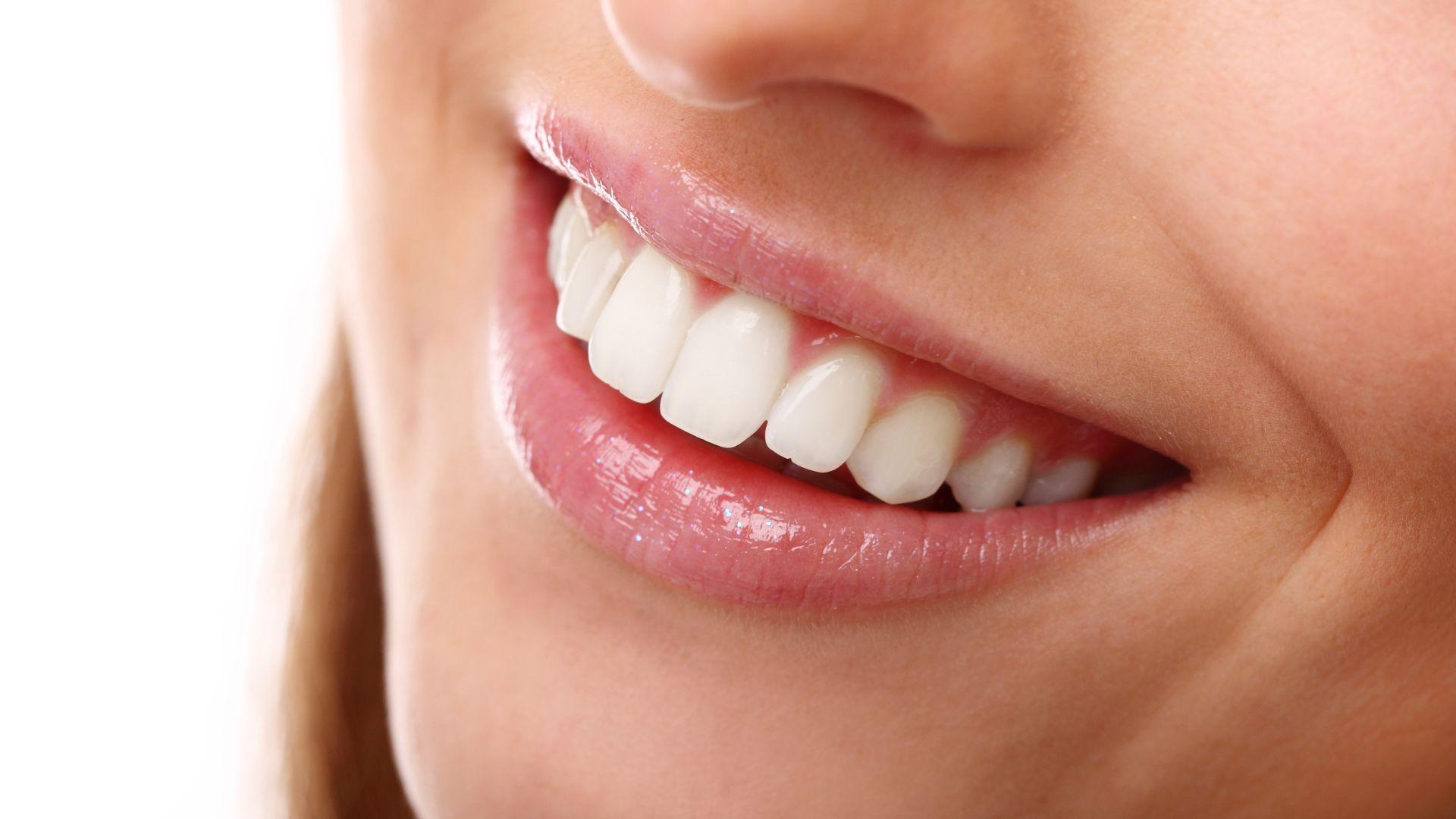
Harnessing the Power of Ozone: A Natural Revolution in Biological Dentistry
Biological dentistry, also known as holistic dentistry, emphasizes the use of natural, non-toxic treatments that promote the body’s overall health and well-being. Ozone therapy has gained popularity in biological dentistry due to its healing, disinfecting, and pain-relieving properties. This essay explores the various benefits of ozone in biological dentistry, highlighting its role in preventing tooth decay, speeding up healing, reducing pain, and supporting the body’s natural ability to restore balance.
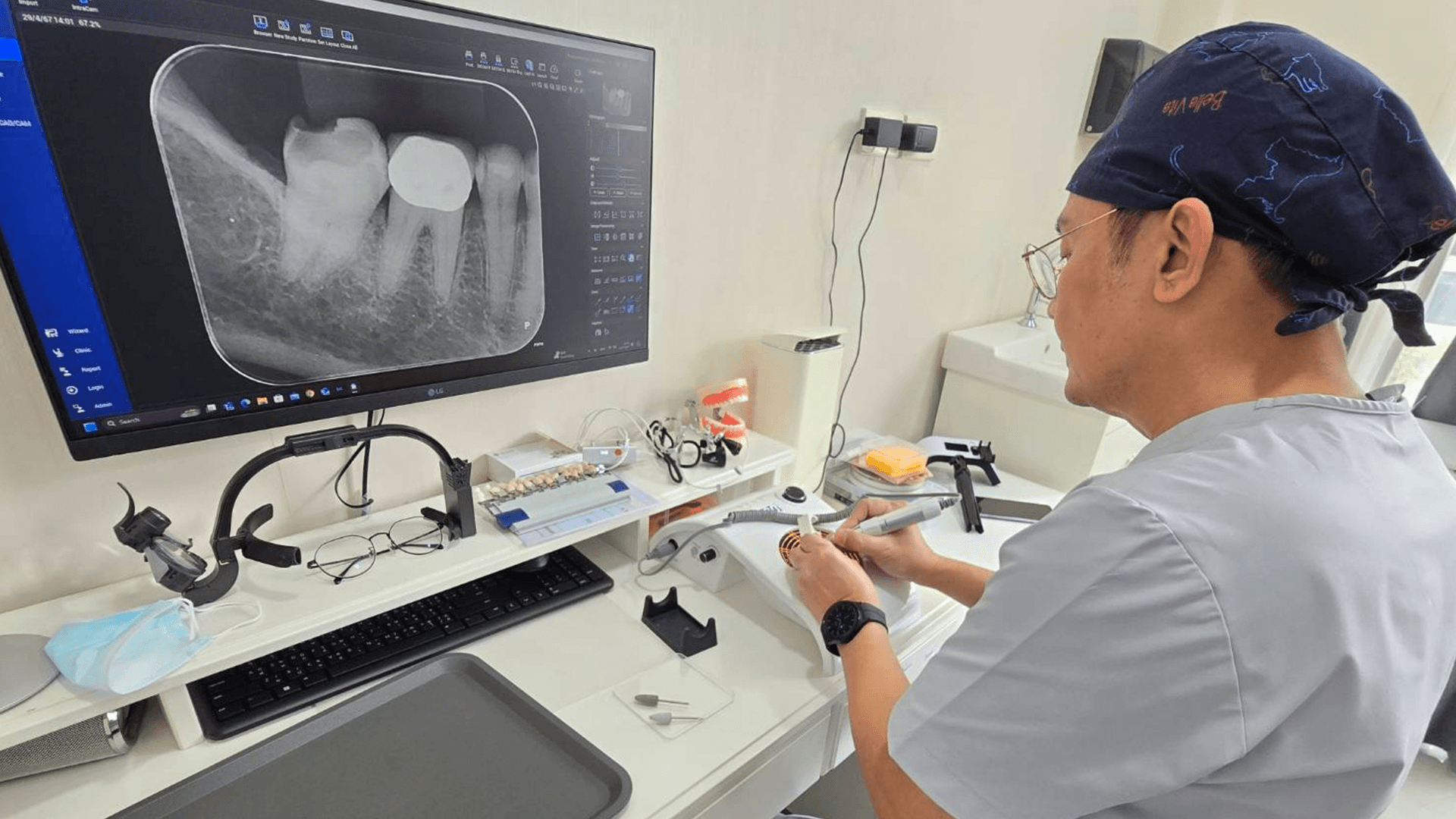
Same-Day Crowns: Revolutionizing Dental Care with Immediate Solutions
Dental crowns are a common restorative procedure used to protect and enhance the function of damaged teeth. Traditionally, the process of receiving a dental crown involves multiple visits to the dentist, including initial tooth preparation, impression taking, temporary crown placement, and the final fitting of the permanent crown.
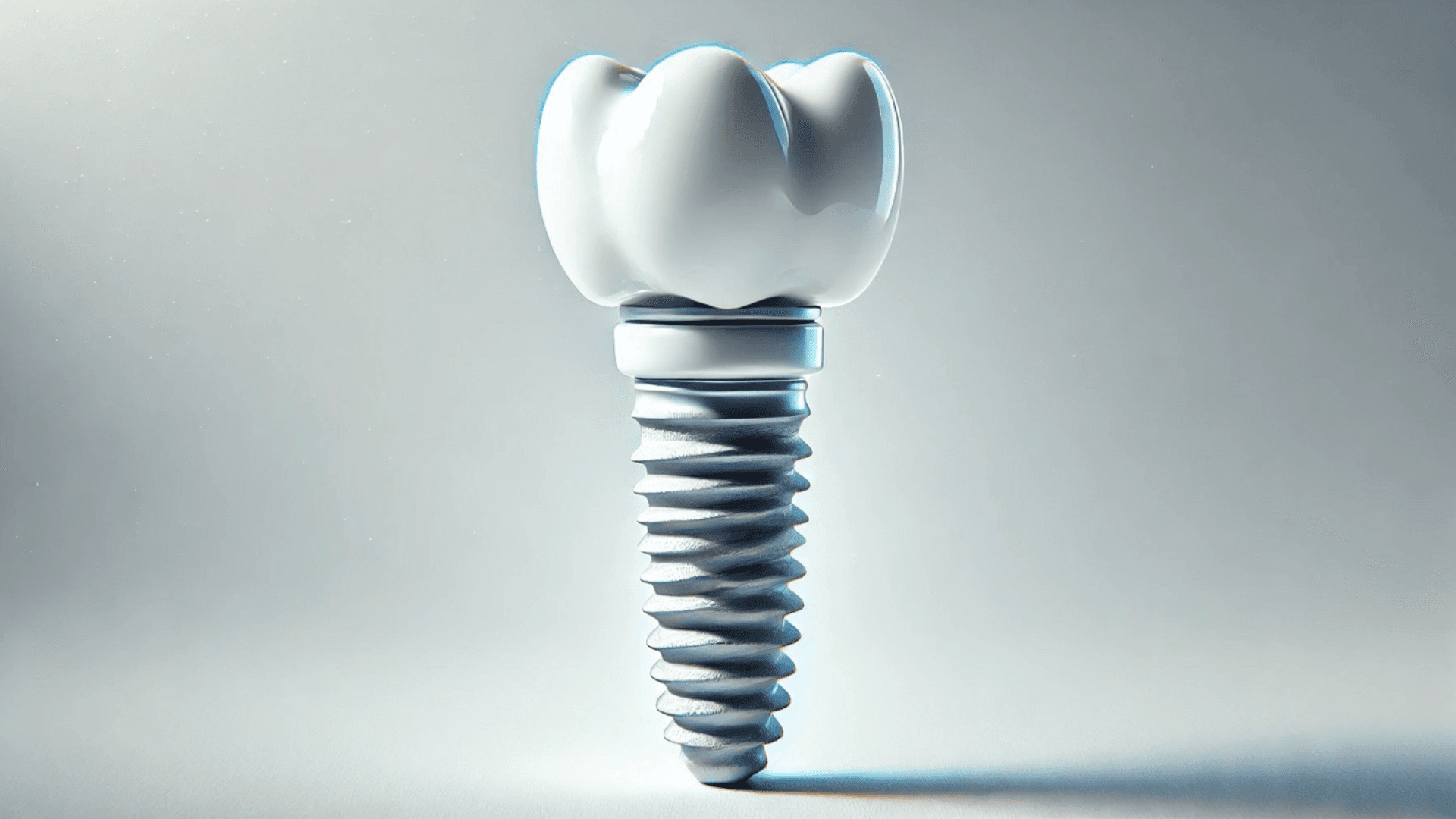
What are Dental Implants? An Explanation for Holistic Treatment
Dental implants are a widely used solution for replacing missing teeth. These implants function as artificial tooth roots, resembling small screws, and are inserted into the jawbone where teeth are missing. Once in place, they provide a stable foundation for crowns or dentures, enabling individuals to chew food, speak clearly, and smile confidently, as dental implants closely mimic the appearance and function of natural teeth.

Benefits of Holistic Dentistry: A Comprehensive Approach to Oral Health
Holistic dentistry, also known as biological dentistry, is an approach to dental care that considers the patient's overall health and well-being. Unlike traditional dentistry, which often focuses solely on the teeth and gums, holistic dentistry recognizes the interconnectedness of oral health with the rest of the body. This article explores the principles, benefits, and practices of holistic dentistry and why it might be the right choice for you.