What Is Hand Tremor? Understanding the Causes and the Right Ways to Treat It
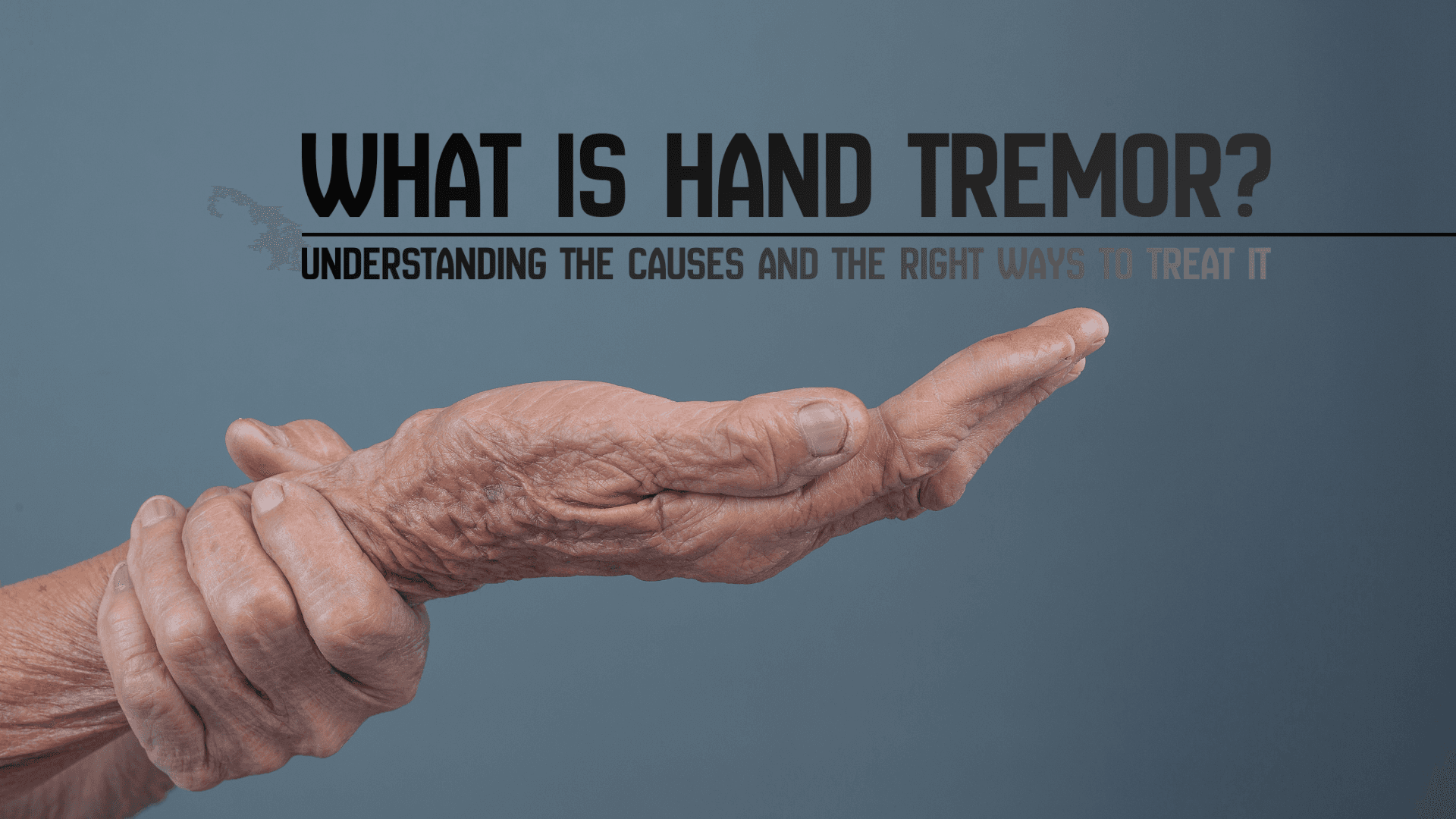
Hand tremors are a common issue that many people experience in daily life—whether holding a cup of coffee, writing, or using a mobile phone. Noticing your hands shaking can be worrying, but in reality, tremors vary widely in severity and can arise from many different causes, ranging from minor, temporary issues to medical conditions that require proper treatment.
This article will help you understand what hand tremors are, the underlying causes, and the correct treatment approaches, so you can take care of your health confidently and effectively.
Types of Hand Tremors You Should Pay Attention To
Before exploring the causes and treatments, it is important to understand that tremors appear in different forms. Each type may point to different underlying conditions. Observing the pattern of the tremor helps physicians diagnose the cause more accurately.
1. Resting Tremor
Resting tremor occurs when the hand or arm is relaxed and supported on a surface without movement.
This type of tremor is commonly associated with Parkinson’s disease and is often described as a “pill-rolling tremor,” where the fingers appear to roll a small object between the thumb and index finger.
2. Action Tremor
Action tremor occurs when the hands move or perform tasks such as lifting a glass, writing, or using utensils.
This is commonly seen in Essential tremor, and it often worsens with precise tasks such as threading a needle or writing small letters.
3. Other Tremor Characteristics
Other patterns may include rhythmic or irregular tremors, tremors triggered by stress or excitement, or tremors that appear only at certain times of the day. These patterns can offer important clues about the cause.

9 Common Causes of Hand Tremors You May Not Know About
Hand tremors do not stem from a single cause. Understanding the potential triggers can guide appropriate treatment.
1. Parkinson’s Disease
A neurodegenerative disorder that commonly presents with resting tremor.
It usually starts on one side of the body before affecting the other, often accompanied by slow movement, muscle stiffness, and poor balance.
2. Essential Tremor
The most common neurological movement disorder.
It produces action tremors affecting both hands and may temporarily improve with small amounts of alcohol.
It often runs in families and tends to appear in middle-aged or older adults.
3. Side Effects of Medications
Certain medications can cause tremors, including:
- Asthma medications
- Some blood pressure medications
- Antidepressants
- Anticonvulsants
- Cholesterol-lowering drugs
If you suspect your medication is the cause, consult your doctor—never stop medication on your own.
4. Thyroid Dysfunction
Hyperthyroidism (overactive thyroid) can cause tremors along with excessive sweating, palpitations, weight loss, and heat intolerance.
5. Low Blood Sugar (Hypoglycemia)
Especially common in people with diabetes who use insulin or blood-lowering medications.
Symptoms may include sweating, rapid heartbeat, hunger, fatigue, or confusion.
6. Excessive Alcohol or Caffeine Consumption
High caffeine intake (coffee, tea, soda, energy drinks) stimulates the nervous system and can trigger tremors.
Heavy or long-term alcohol use may also lead to tremors during withdrawal.
7. Stress and Anxiety
Emotional states such as stress, worry, or excitement can cause temporary tremors, which typically improve when relaxed.
8. Vitamin or Mineral Deficiency
Lack of vitamin B12, magnesium, or vitamin E can contribute to tremor symptoms.
9. Other Neurological Conditions
Stroke, brain tumors, dementia, or cerebellar disorders may also cause tremors.
Diagnosis: How Doctors Determine the Cause of Tremors
When tremors are concerning, proper medical evaluation is essential. Doctors typically:
- Take a detailed medical and family history
- Review medications and lifestyle factors
- Perform a neurological examination
Additional tests may include:
- Blood tests (thyroid function, glucose, vitamin levels)
- Brain imaging (MRI or CT scan)
- Electromyography (EMG) for specialized neurological assessment
Treatment Options for Hand Tremors
Treatment depends on the cause and severity. Doctors tailor the plan for each patient.
1. Treating the Underlying Cause
If tremors arise from a treatable condition—such as hyperthyroidism or medication side effects—addressing the root cause can significantly reduce symptoms.
At PYONG Rehabilitation Clinic, our specialists in Physical Medicine & Rehabilitation and Neurology work together to accurately identify the cause of tremors and provide targeted treatment.
2. Medications
Doctors may prescribe:
- Beta-blockers (e.g., propranolol) for Essential tremor
- Anticonvulsants (primidone, topiramate)
- Benzodiazepines for tremors related to anxiety
- Levodopa for Parkinson’s disease
3. Physical and Occupational Therapy
Therapy can help improve motor control and functional ability. Occupational therapists also recommend assistive tools to make daily tasks easier.
At PYONG Rehabilitation Clinic, we combine modern technology with evidence-based therapy, including:
Advanced Treatment Technologies
- Peripheral Magnetic Stimulation (PMS)
Enhances nerve and muscle function of the hands.
- Transcranial Magnetic Stimulation (TMS)
Stimulates brain regions controlling movement, helping reduce tremors caused by central nervous system dysfunction.
- High Power Laser Therapy
Reduces inflammation and supports nerve healing.
- Diagnostic Ultrasound
Allows real-time visualization of nerve and muscle abnormalities.
Rehabilitation Enhancements
- Robotic Hand Rehabilitation for precise movement training
- Motion Rehabilitation Training Systems to analyze tremor patterns
- VR-based Therapy to activate brain–body coordination
- Isokinetic Exercises for improving arm and hand strength
Botulinum Toxin for Muscle Spasticity
When tremors are accompanied by muscle spasticity, ultrasound-guided botulinum toxin injections can reduce excessive muscle contractions.
For patients with swallowing difficulties, our therapists provide specialized swallowing therapy combined with electrical stimulation.
4. Surgical Options (when necessary)
If tremors are severe and unresponsive to medication, surgery may be considered:
- Deep Brain Stimulation (DBS)
- Thalamotomy
These are last-resort options and require careful evaluation.
5 Self-Care Tips to Reduce Hand Tremors
1. Manage Stress and Get Adequate Rest
Relaxation techniques—meditation, yoga, deep breathing, and proper sleep—can significantly reduce tremor frequency.
2. Avoid Stimulants
Reduce or eliminate caffeine and alcohol.
3. Eat a Balanced Diet
Nutritious meals rich in B vitamins, magnesium, and vitamin E support nervous system health.
4. Exercise Regularly
Low-impact activities like walking, swimming, or yoga improve muscle strength and coordination.
5. Use Assistive Devices
Weighted cups, adaptive utensils, or stabilizing pens can make daily tasks easier.
When Is a Hand Tremor Dangerous? Warning Signs
Seek medical attention immediately if you experience:
- Sudden or severe tremors
- Rapidly worsening tremors
- Accompanying symptoms (confusion, weakness, slurred speech, imbalance, severe headache)
- Tremors interfering with daily life
- Tremors beginning after starting a new medication
Conclusion
Hand tremors are common and arise from a wide variety of causes—from simple lifestyle triggers to neurological conditions. Understanding the tremor pattern, triggers, and accompanying symptoms helps physicians identify the true cause.
At PYONG Rehabilitation Clinic, our team of rehabilitation and neurology specialists provides comprehensive diagnosis and individualized treatment plans. With advanced technology and targeted therapy, we aim to restore proper muscle and nerve function and improve your quality of life.
If you experience concerning tremors or daily-life limitations, consult a physician promptly. Early treatment helps prevent progression and leads to better outcomes.
Contact & Appointment: 097-468-7990
LINE Official: @pyongrehab
Source: PYONG Rehabilitation Group
**Translated and compiled by ArokaGO Content Team
Pyong Rehabilitation Group
Share this article
More Articles
Discover more insights on health care and medical tourism.

Best Hotel in Thailand for Medical and Wellness Travelers
Thailand is one of the world’s most attractive destinations for medical tourism, wellness travel, recovery stays, and health-focused holidays. For international travelers, choosing the best hotel in Thailand is not only about luxury or location. It is also about comfort, privacy, accessibility, wellness facilities, and the ability to support a smooth healthcare journey.

“Monkeypox” Currently Spreading in Thailand: A Thai Traditional Medicine Perspective
In today’s world, where we continue to face the spread of emerging and re-emerging infectious diseases such as monkeypox, understanding diseases through multiple perspectives can help us respond more comprehensively. Although classical Thai traditional medical texts do not directly describe “viruses,” as this body of knowledge was developed before the scientific discovery of microorganisms, the symptoms and characteristics of this disease can still be meaningfully interpreted through ancient Thai medical theory.

Wellness Tourism in Thailand | Why Travelers Come for More Than a Holiday
When people think about Thailand, beaches, street food, temples, and vibrant city life usually come to mind. But in recent years, something has changed. More travelers are arriving with a different purpose — not only to explore, but to improve their wellbeing, reduce stress, undergo preventive health screening, or simply take better care of themselves.