Why Is Colorectal Cancer Increasing Among Younger People?

Why Is Colorectal Cancer Increasing Among Younger People? Small Everyday Habits That Quietly Increase the Riskhe Risk
In recent years, there has been a noticeable trend that the average age of colorectal cancer patients is steadily decreasing. Many cases are now found in individuals in their late 20s to early 30s, even among those without a family history of colorectal cancer, not obese, and not heavy alcohol drinkers.
However, when examining lifestyle behaviors more closely, it becomes clear that several habits commonly practiced by younger generationsoften considered normalmay gradually increase the risk of colorectal cancer over time.
1.Chronic Constipation That People Think Is Normal
Many people do not have bowel movements every day, pass hard stools, feel incomplete evacuation, or only defecate 2–3 times per week without considering it a problem. In reality, when stool remains in the colon for a prolonged period, the intestinal lining is exposed to toxins and potential carcinogens for longer durations. This may increase the risk of chronic inflammation and could contribute to cellular mutations in the long term.
2. Low Fiber Intake but Frequent Consumption of Processed Foods
The eating habits of many modern lifestyles often include snacks, bakery products, sausages, grilled meats, shabu, and sugary beverages, while the intake of vegetables, fruits, and whole grains remains relatively low.
Dietary fiber plays a crucial role in increasing stool bulk, stimulating bowel movement, and reducing the amount of time potential carcinogens remain in contact with the intestinal wall. Meanwhile, processed meats and certain processed foods contain substances that research has associated with an increased risk of colorectal cancer.
3. Sedentary Lifestyle and Limited Physical Activity
Long hours of sitting at work, spending many hours in front of screens, and a lack of regular exercise can reduce intestinal motility. This slows down bowel movement and may lead to chronic constipation.
Research shows that individuals with low levels of physical activity have a higher risk of colorectal cancer compared with those who engage in regular movement. Physical activity helps stimulate bowel function and supports the immune system within the gastrointestinal tract.
4. Frequently Ignoring the Urge to Defecate
Many people feel the urge to have a bowel movement but choose to delay it because it is inconvenient or they are busy with work. Repeatedly suppressing this urge can disrupt the natural rhythm of bowel function. Over time, this may lead to a condition known as reduced bowel responsiveness, resulting in harder stools, prolonged stool retention, and increased irritation of the intestinal lining.
5. Misconception That Young Age Means No Need for Screening
A common misunderstanding is that “being young means the risk of cancer is low.” As a result, many people ignore warning signs such as
- Blood in the stool
- Alternating constipation and diarrhea
- Unexplained weight loss
- Persistent fatigue
- Chronic bloating
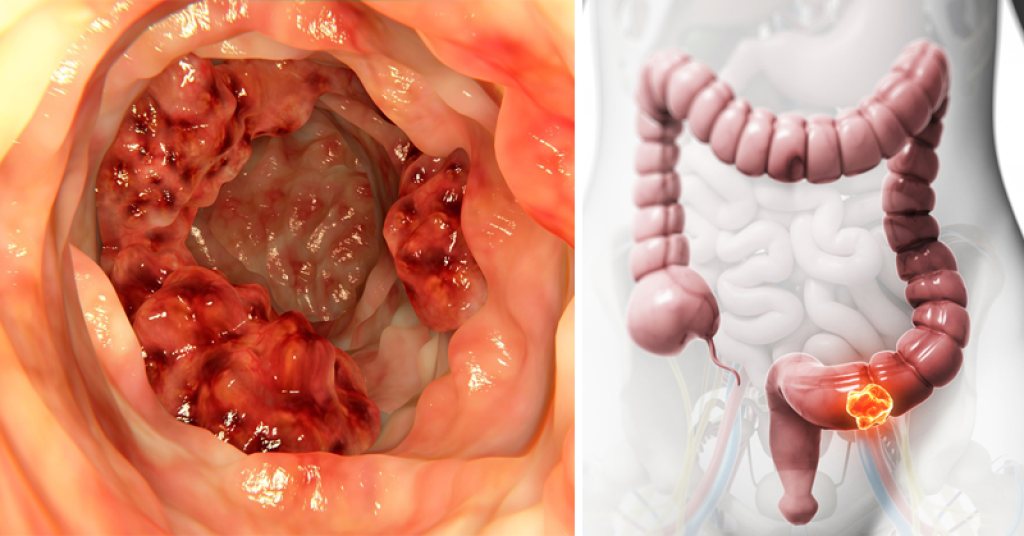
How to Restore Gut Health and Reduce Cancer Risk
The intestines are organs that can recover well when they are cared for properly and consistently. You can start with these four key principles:
- Increase fiber in every meal
Choose a variety of colorful vegetables, whole grains, legumes, and high-fiber fruits. Fiber helps increase stool bulk, shortens the time waste stays in the intestines, and reduces the contact between potential carcinogens and the intestinal lining.
- Support beneficial gut bacteria
Consuming natural yogurt, kimchi, or other unsweetened fermented foods helps balance the gut microbiome. Healthy gut bacteria play an important role in reducing chronic inflammation and strengthening the immune system.
- Stay physically active every day
Even brisk walking for 20–30 minutes a day can stimulate bowel movement, reduce constipation, and help the digestive system maintain a regular rhythm.
- Train your body to have regular bowel habits and avoid holding it in
Going to the bathroom at consistent times especially in the morning after waking up or after meals helps train the digestive system to function more regularly.
Source : Thonburi Rajyindee Hospital
**Translated and compiled by ArokaGO Content Team
Independent Writer
Share this article
More Articles
Discover more insights on health care and medical tourism.

Songkran Warning: How to Prevent and Handle “Shoe Suction” Injuries During Water Festival Celebrations
As Thailand celebrates Songkran, many festival-goers are enjoying water splashing in the streets, but one surprisingly common issue keeps returning every year, the so-called “shoe suction” problem, when wet slip-on sandals or rubber shoes become stuck tightly to the foot or ankle after prolonged exposure to water.

Office Syndrome: A Common Health Problem Among Modern Workers
In an era when working in front of a computer has become part of everyday life, Office Syndrome has emerged as one of the most common health concerns among working-age adults.

Urine does not flow, cannot hold urine
Urine does not flow, cannot hold urine, check urgently before it becomes an enlarged prostate or BPH (Benign Prostate Hyperplasia).