Für wen ist eine Haartransplantationschirurgie geeignet? Verstehen Sie es genau, bevor Sie sich für eine Behandlung entscheiden

1. Personen mit dünner werdendem Haar oder Glatzenbildung aufgrund genetischer Veranlagung
Haarausfall, der genetisch bedingt ist (Androgenetische Alopezie), ist die häufigste Ursache bei Männern und kann auch bei einigen Frauen auftreten. Personen mit lokalisiertem Haarausfall, zum Beispiel am Haaransatz oder am Hinterkopf, sprechen in der Regel gut auf eine Haartransplantation an.

2. Personen mit permanentem Haarausfall
In Fällen, in denen Haarfollikel geschädigt sind und nicht durch Medikamente oder allgemeine Behandlungen wiederhergestellt werden können, wie zum Beispiel bei chronischem Haarausfall, der auf nicht-chirurgische Methoden nicht anspricht.
3. Personen mit Narben auf der Kopfhaut
Eine Haartransplantation kann helfen, Narben durch Unfälle, Operationen oder Verletzungen zu kaschieren, sodass die Haut in diesem Bereich glatter und gleichmäßiger aussieht.
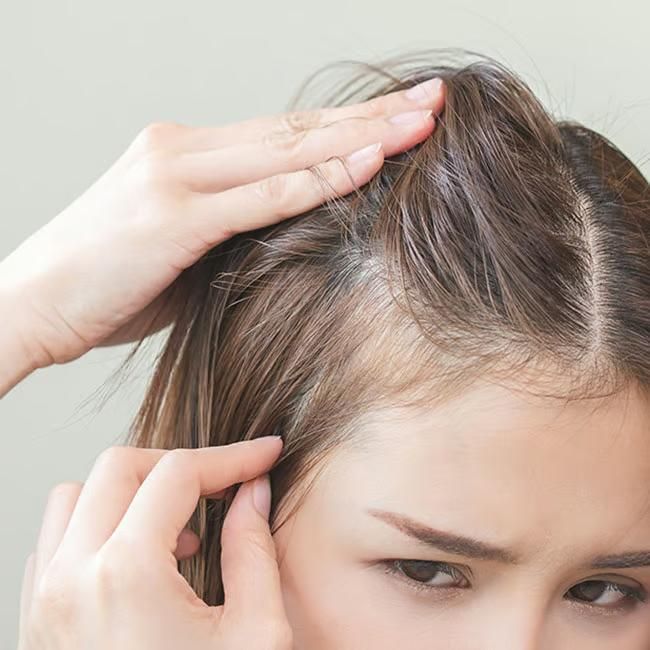
4. Personen, die das Gesichtsprofil verbessern möchten
Der Haaransatz spielt eine wichtige Rolle für das Gleichgewicht des Gesichts. Eine Haartransplantation kann helfen, den Haaransatz neu zu gestalten—zum Beispiel durch die Verkleinerung einer hohen Stirn oder zur Schaffung besserer Gesichtssymmetrie.
5. Personen bei guter Gesundheit mit ausreichendem Donorhaar
Da bei der Haartransplantation die eigenen Haarfollikel der Patientinnen und Patienten verwendet werden, müssen geeignete Kandidaten einen gesunden Spenderbereich (in der Regel den Hinterkopf) aufweisen und dürfen keine medizinischen Bedingungen haben, die das Haarwachstum beeinträchtigen würden.
Quelle :
TRIA Medical Wellness Center
Diesen Artikel teilen
Weitere Artikel
Entdecken Sie weitere Einblicke in Gesundheitsversorgung und Medizintourismus.

Unterschied zwischen „Allgemeine Massage“ und „Anatomie & Wellness Massage“
Anatomy & Wellness Massage verbindet Entspannung mit einem Verständnis der Muskelstruktur und des Körpergleichgewichts. Es hilft, Verspannungen, Muskelschmerzen und Steifheit zu lindern, Bewegung wiederherzustellen und die Ursachen der Beschwerden zu behandeln. Geeignet für Menschen mit Office-Syndrom oder chronischen Muskelschmerzen.

Songkran-Warnung: Wie man „Schuhsaug“-Verletzungen während der Wasserfestspiele verhindert und behandelt
Während Thailand Songkran feiert, genießen viele Festivalbesucher das Wasserspritzen auf den Straßen, doch ein überraschend häufig auftretendes Problem kehrt jedes Jahr wieder zurück, das sogenannte „Schuhsaug“-Problem, bei dem nasse Slipper oder Gummischuhe nach längerer Wassereinwirkung fest am Fuß oder Knöchel haften bleiben.

Office-Syndrom: Ein häufiges Gesundheitsproblem bei modernen Arbeitnehmern
In einer Zeit, in der das Arbeiten vor dem Computer zum Alltag geworden ist, hat sich das Office-Syndrom als eines der häufigsten Gesundheitsprobleme bei Erwachsenen im erwerbsfähigen Alter herauskristallisiert.