Can You Use Someone Else’s Ear Cartilage for Nose Augmentation?
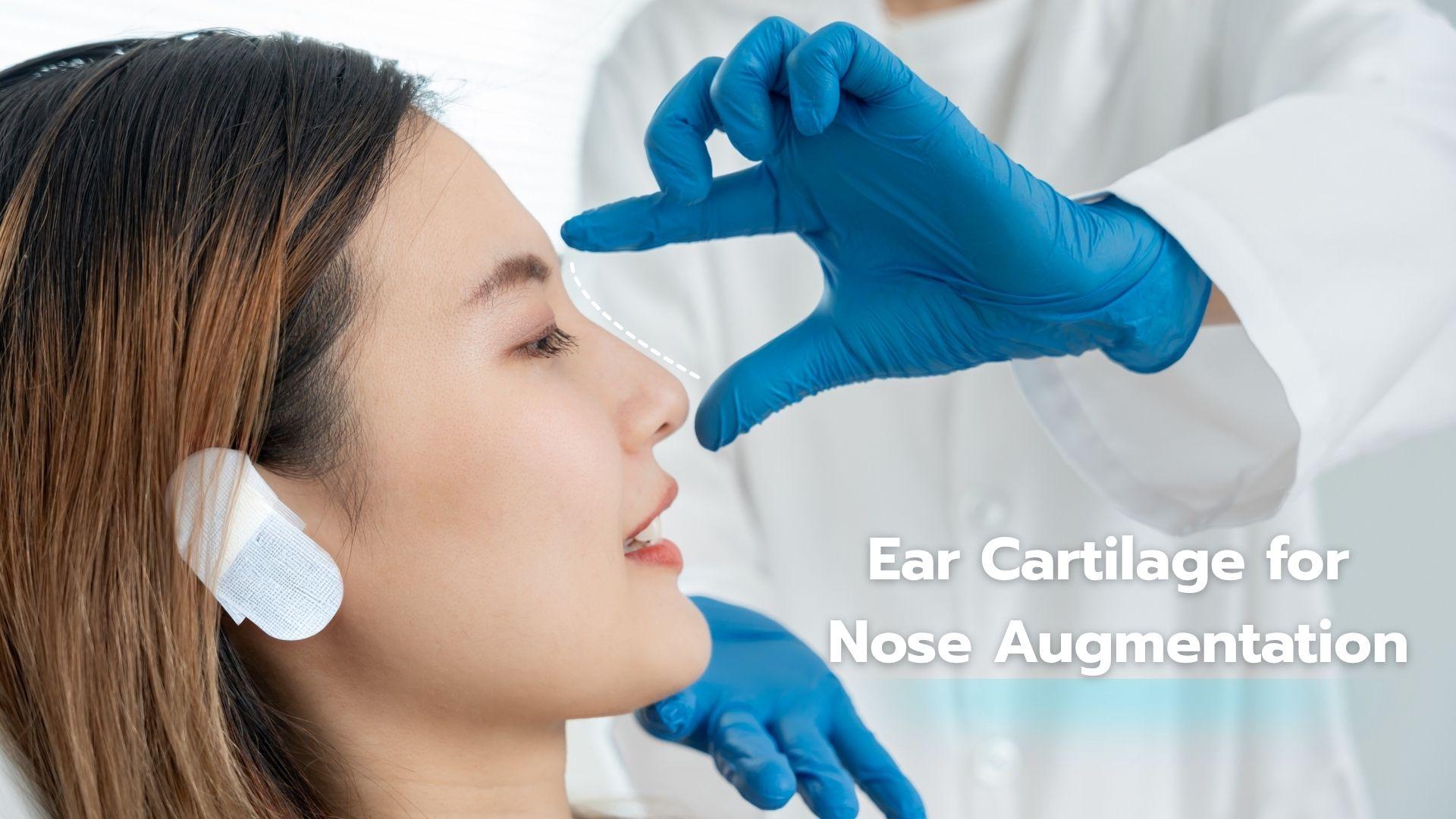
Rhinoplasty is a cosmetic surgery procedure designed to enhance the shape and proportion of the nose, often to achieve a more balanced and natural facial appearance. One of the commonly used materials in rhinoplasty is auricular cartilage, which is the cartilage harvested from the back of the ear. It is favored for its flexibility, biocompatibility, and natural integration with nasal tissue when taken from the patient’s own body.
This leads to an important question that some patients may wonder:
“Is it possible to use someone else’s ear cartilage for nasal augmentation?”
To answer this, we must understand the types of cartilage grafts used in surgery and the associated medical considerations.
Autologous Cartilage: Your Own Ear Cartilage
The most widely recommended and practiced method is using your own cartilage, known medically as autologous cartilage. This approach offers several clear benefits:
High compatibility: Since the tissue comes from your own body, there is no risk of immune rejection.
Low complication risk: There’s minimal chance of allergic reaction or inflammation.
Long-term stability: The graft tends to integrate well with nasal structures and provides lasting results.
This method is considered the gold standard, especially for revision rhinoplasty cases or when natural outcomes are prioritized.
Allogeneic Cartilage: Using Cartilage from Another Person
The idea of using cartilage from a donor (another human) is known as allogeneic cartilage grafting. While technically possible, this method is not widely practiced or recommended due to the following concerns:
Risk of immune response: The recipient’s body may reject the tissue, resulting in inflammation or infection.
Possible complications: Including tissue degradation, poor integration, or the need for removal.
Regulatory and ethical constraints: The use of donor tissue involves strict protocols and safety standards, which limit its practical availability.
When Is Donor Cartilage Used?
In rare and specific medical situations, doctors may consider processed allograft cartilage, which is donor cartilage that has been sterilized and treated to minimize immune response. This may be used when:
The patient lacks sufficient autologous cartilage (e.g., from prior surgeries).
The patient wishes to avoid harvesting tissue from their ear or ribs.
However, these cases are exceptional, and this technique is not a routine option. The decision requires careful clinical evaluation by a qualified surgeon.
Recommendations from Dr. Tree, ArokaGO
When considering rhinoplasty, safety and long-term success should be your top priorities. Therefore:
Use your own cartilage whenever possible for natural, safe, and stable results.
Choose certified synthetic implants (e.g., silicone) only if deemed suitable by your surgeon.
Consult an experienced specialist who can guide you through the best options tailored to your needs.
Conclusion
While using cartilage from another person is theoretically feasible, it carries significantly higher risks and is not the standard of care in rhinoplasty today. The most effective and safest approach remains using your own ear cartilage or approved synthetic materials under the guidance of a skilled surgeon.

Translated and compiled by ArokaGO Content Team
Written by Dr. Tree
Source: HYC Inter Clinic
HYC International Clinic
Share this article
More Articles
Discover more insights on health care and medical tourism.

Best Hotel in Thailand for Medical and Wellness Travelers
Thailand is one of the world’s most attractive destinations for medical tourism, wellness travel, recovery stays, and health-focused holidays. For international travelers, choosing the best hotel in Thailand is not only about luxury or location. It is also about comfort, privacy, accessibility, wellness facilities, and the ability to support a smooth healthcare journey.

“Monkeypox” Currently Spreading in Thailand: A Thai Traditional Medicine Perspective
In today’s world, where we continue to face the spread of emerging and re-emerging infectious diseases such as monkeypox, understanding diseases through multiple perspectives can help us respond more comprehensively. Although classical Thai traditional medical texts do not directly describe “viruses,” as this body of knowledge was developed before the scientific discovery of microorganisms, the symptoms and characteristics of this disease can still be meaningfully interpreted through ancient Thai medical theory.

Wellness Tourism in Thailand | Why Travelers Come for More Than a Holiday
When people think about Thailand, beaches, street food, temples, and vibrant city life usually come to mind. But in recent years, something has changed. More travelers are arriving with a different purpose — not only to explore, but to improve their wellbeing, reduce stress, undergo preventive health screening, or simply take better care of themselves.