Common Eye Diseases and Vision Problems in Daily Life: Awareness and Prevention

Common Eye Diseases and Vision Problems in Daily Life: Awareness and Prevention
๐ Dry eye syndrome occurs when the eyes produce insufficient tears or poor-quality tears, leading to dryness, irritation, discomfort, or visual disturbance.
๐ Common vision problems include myopia (nearsightedness), hyperopia (farsightedness), astigmatism, and presbyopia.
๐ Vitreous degeneration refers to changes in the eye’s vitreous gel becoming more liquid or forming clumps, causing floaters. Macular degeneration involves deterioration of the central retina, leading to distorted, blurred vision and possible vision loss.
๐ Cataracts cause clouding of the eye’s lens and blurred vision; glaucoma results from increased eye pressure damaging the optic nerve and risking vision loss; pterygium is degeneration of conjunctival tissue that may cause blurred vision or increased astigmatism; pinguecula is a similar conjunctival growth that does not extend onto the cornea.
We rely on our eyes constantly to observe the world around us, which places significant strain on them and increases the risk of eye problems. Understanding common eye diseases and vision conditions helps us care for and protect our eyes properly, recognize early symptoms, and seek timely treatment to reduce the risk of future complications.
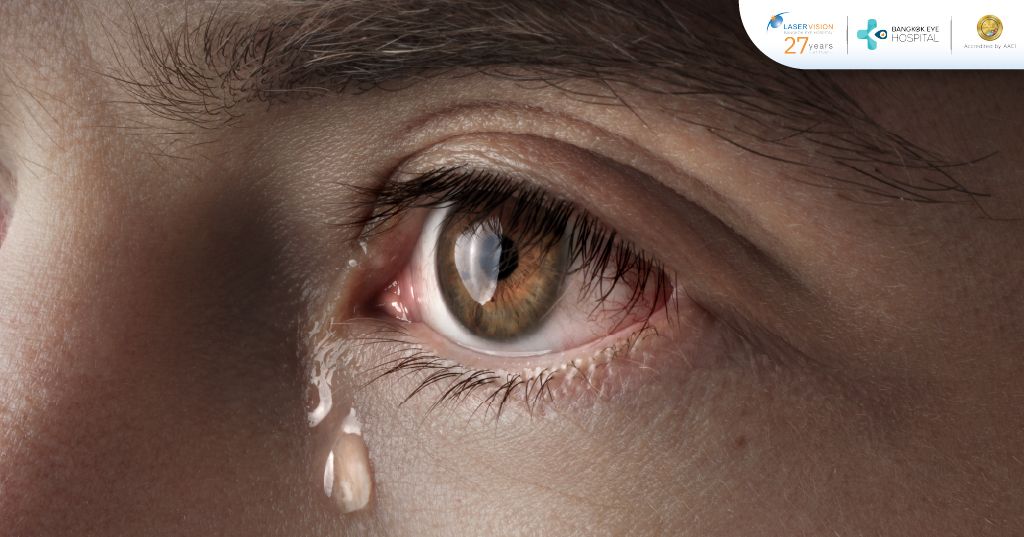
Dry Eye Syndrome
Dry eye syndrome occurs when the eyes cannot produce enough quality tears, leading to irritation, burning sensations, foreign body sensation, or excessive tearing. Common causes include prolonged screen use, dry or windy environments, and extended contact lens wear. Relief and prevention include using artificial tears, resting the eyes regularly, blinking frequently, and avoiding dry environments.
Refractive Vision Problems
Refractive errors are among the most common vision issues across all age groups. They occur when light entering the eye fails to focus precisely on the retina, resulting in blurred vision. Types include:
Myopia (Nearsightedness)
Myopia occurs when the cornea is too curved or the eyeball is elongated, causing light to focus in front of the retina. This results in clear near vision but blurred distance vision. People may squint or strain their eyes to see clearly and sometimes experience headaches.
Genetics plays a major role, especially if parents are myopic. Prolonged near work, limited outdoor activity, and excessive screen use can worsen symptoms.
Hyperopia (Farsightedness)
Hyperopia may occur from birth or develop with age, resulting in difficulty focusing on near objects.
Congenital Farsightedness
Occurs when the cornea is too flat or the eyeball is shorter than normal, causing light to focus behind the retina. Individuals typically see distant objects clearly but struggle with near vision. It is often hereditary.
Presbyopia
Presbyopia results from aging as the eye’s lens stiffens and loses flexibility, reducing focusing ability. Symptoms include difficulty reading small print, eye strain, headaches, sensitivity to light, and reduced night vision.
Astigmatism
Astigmatism occurs when the cornea has an irregular shape, causing multiple focal points instead of one. Symptoms include eye strain, blurred or distorted vision, glare sensitivity, and difficulty seeing at night.
Causes may include congenital corneal irregularities, injury, eye surgery, or conditions such as keratoconus.
Vitreous Degeneration
The vitreous is a clear gel filling the back of the eye. Vitreous degeneration occurs when the gel liquefies or forms clumps, leading to floaters or flashes of light.
It commonly occurs with aging, especially after age 50 or in individuals with myopia. Untreated cases may increase the risk of retinal tears or detachment.
Common Eye Diseases
Eye diseases can significantly affect vision if not properly diagnosed and treated. Understanding symptoms and treatments helps protect eye health.
Cataracts
Cataracts occur when the eye’s lens becomes cloudy, reducing light transmission and gradually impairing vision. Common in older adults but may occur in younger individuals due to steroid use, trauma, or inflammation.
Glaucoma
Glaucoma involves optic nerve damage often linked to high eye pressure. Acute cases may cause pain, blurred vision, halos around lights, headache, nausea, or vomiting, while chronic glaucoma may progress silently.
Pterygium and Pinguecula
Pterygium is degeneration of conjunctival tissue growing toward the cornea, potentially causing blurred vision or astigmatism. Pinguecula is similar but does not invade the cornea.
Age-Related Macular Degeneration
Age-related macular degeneration (AMD) affects the central retina, usually in individuals over 60, though increasingly seen earlier. It may cause distorted central vision, blurring, or dark spots.
While not curable, progression can be slowed through regular screening, healthy lifestyle habits, UV protection, balanced nutrition, exercise, weight control, and avoiding smoking.
Why Get Eye Checkups at Bangkok Eye Hospital?
Bangkok Eye Hospital provides comprehensive eye care using advanced technology and experienced ophthalmologists across specialties. Services include detailed diagnosis, treatment, follow-up care, personalized consultation, and a comfortable treatment environment.
Summary
Regular eye care is essential. Annual eye examinations help detect abnormalities early. Adequate rest, balanced nutrition rich in vitamins A and C, and proper visual habits support eye health. Visit Bangkok Eye Hospital for comprehensive eye care services.
Related Articles
๐ LASIK for Myopia: Preparation and Benefits
๐ Glaucoma Treatment and Prevention
๐ Understanding Retinitis: Causes and Treatment
Frequently Asked Questions (FAQ)
Common questions about eye health and vision problems to help patients better understand prevention and treatment.
How should older adults care for their vision?
Regular eye exams at least annually, adequate rest, hydration, balanced diet rich in antioxidants, avoiding smoking, and controlling blood sugar are important preventive measures.
How can vision problems in children be prevented?
Encourage regular breaks during near work, limit screen time, promote outdoor activities, ensure adequate lighting, and schedule regular eye examinations.
What should I do if I experience dizziness or blurred vision?
Consult an ophthalmologist for eye examination, adjust glasses or contact lenses if necessary, rest your eyes regularly, and avoid bright glare. Seek immediate medical attention if symptoms worsen.
source : Bangkok Eye Hospital
Bangkok Eye Hospital
Share this article
More Articles
Discover more insights on health care and medical tourism.

Songkran Warning: How to Prevent and Handle “Shoe Suction” Injuries During Water Festival Celebrations
As Thailand celebrates Songkran, many festival-goers are enjoying water splashing in the streets, but one surprisingly common issue keeps returning every year, the so-called “shoe suction” problem, when wet slip-on sandals or rubber shoes become stuck tightly to the foot or ankle after prolonged exposure to water.

Office Syndrome: A Common Health Problem Among Modern Workers
In an era when working in front of a computer has become part of everyday life, Office Syndrome has emerged as one of the most common health concerns among working-age adults.

Urine does not flow, cannot hold urine
Urine does not flow, cannot hold urine, check urgently before it becomes an enlarged prostate or BPH (Benign Prostate Hyperplasia).