EBOO Therapy in the 21st Century: Restoring Health in a Toxic World

How Does EBOO Therapy Restore Balance?
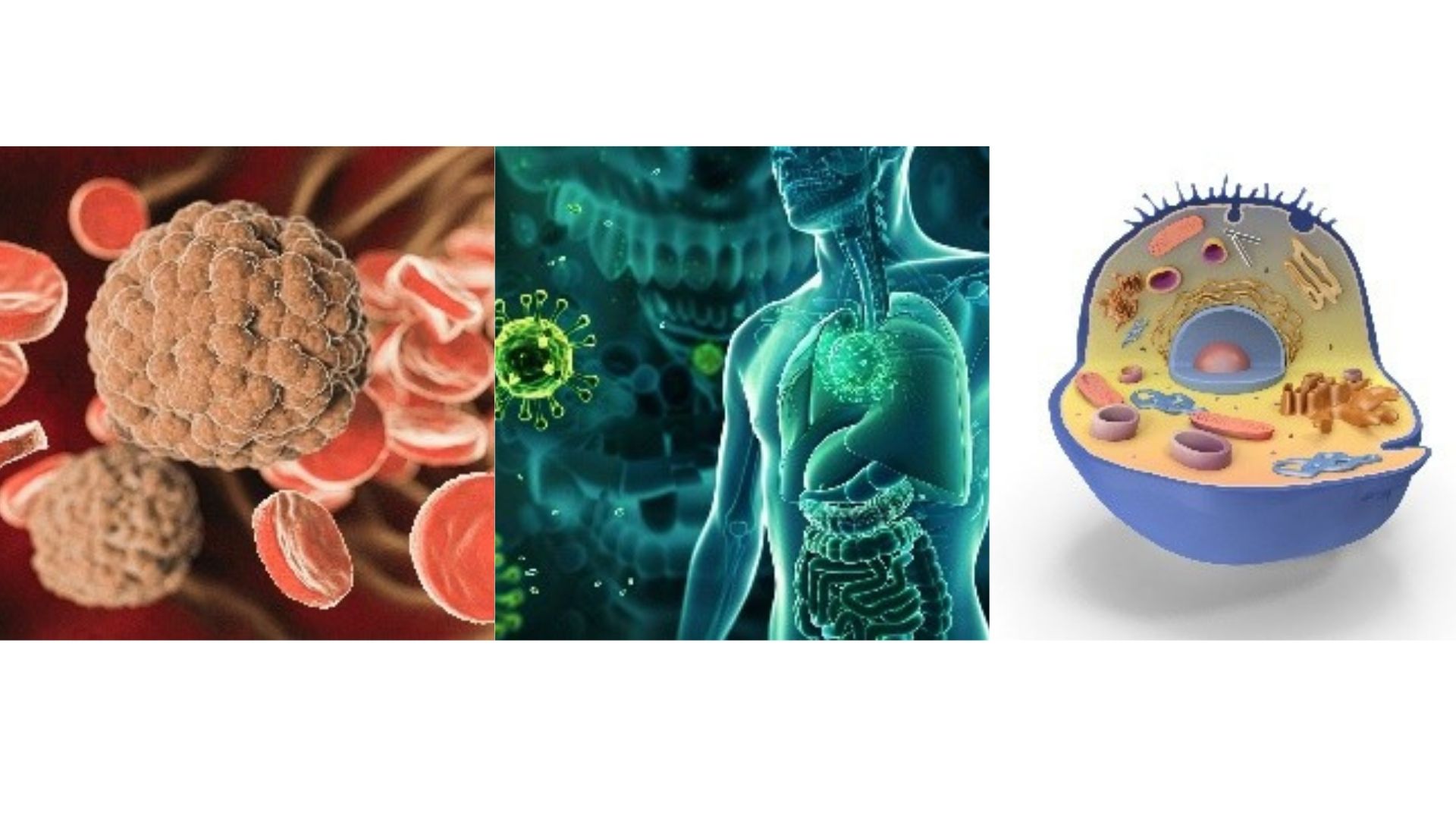
EBOO (Extracorporeal Blood Oxygenation and Ozonation) is a medical innovation that uses a blood filtration system combined with oxygen and ozone infusion. This process removes toxins, heavy metals and harmful by-products from the bloodstream while simultaneously increasing oxygen levels, improving circulation and supporting vital organ function.
Who Can Benefit from This Innovation?
This therapy is designed for individuals with toxin and heavy-metal accumulation, patients with chronic conditions such as heart disease, diabetes and chronic fatigue, people with low immunity and health-conscious individuals seeking systemic inflammation reduction and long-term wellness improvement.
What’s Behind the Power of EBOO Therapy?
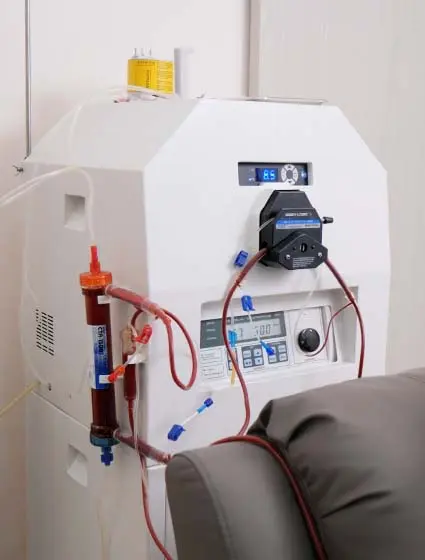
The procedure involves drawing blood, passing it through a specialized machine with blood filtration technology, oxygenating and ozonating the blood, filtering out toxins and heavy metals and then reintroducing the oxygen-rich, purified blood back into the patient. The process typically takes 60–90 minutes and is painless, conducted in a safe and controlled clinical environment.
What Makes EBOO Worth Considering?
• Help lower both localized and systemic inflammation, which is a key driver of many chronic diseases such as cardiovascular disorders, diabetes and joint degeneration.
• Support a more balanced immune response, enhancing defense against infections while reducing risks of autoimmune overreactions.
• Improve circulation and detoxification processes, giving vital organs such as the heart, kidneys and liver better resilience against stress and toxic burden.
• Stimulate the repair and renewal of cells, allowing tissues to recover more effectively and maintain long-term vitality.
• Restore mitochondrial function and oxygen utilization, leading to greater daily energy levels and significant relief from chronic fatigue.
Steps to take before EBOO Therapy
• Get adequate rest (6–8 hours) to ensure your body is well-prepared for therapy.
• Stay hydrated by drinking 1–2 glasses of water before the session to support circulation.
• Eat a light meal at least 2 hours prior to treatment to avoid digestive discomfort.
• Inform the medical team about your health history and current medications, especially blood thinners or chronic illness drugs.
Post-EBOO Therapy Care
• Drink at least 2–3 liters of water within the next 24 hours to help flush out toxins.
• Choose easily digestible meals rich in vegetables, fruits and lean proteins. Avoid alcohol and heavy, processed foods for at least 24–48 hours.
• Allow your body to recover. Some clients feel an energy boost right away, others may feel mild tiredness for a few hours.
• Light walking or stretching is fine; avoid intense exercise on the same day.
• Mild detox symptoms (fatigue, headache, slight dizziness) may occur and usually resolve quickly.
EBOO Therapy as a Pathway to Holistic Health
EBOO goes beyond detoxification as it represents cellular-level rejuvenation. By increasing oxygen delivery, reducing systemic inflammation and strengthening immune defenses, EBOO provides a holistic approach to health restoration and disease prevention, supporting both longevity and vitality.
Source :
KC Wellness
Share this article
More Articles
Discover more insights on health care and medical tourism.

Top 4 Romantic Beachfront Resorts in Samui with Private Pool Villas
Discover the top 4 romantic beachfront resorts in Samui with private pool villas. Explore luxury retreats like Melati Beach Resort & Spa and Chaweng Regent.

MTF Gender Affirmation Surgery at Asia Cosmetic Hospital: Options, Preparation, and Recovery
Choosing male-to-female gender affirmation surgery involves more than selecting a technique or scheduling an operation. Understanding the potential outcomes, limitations, risks, and aftercare can help you consider whether treatment fits your goals and circumstances.

9 Plastic Surgery Hospitals and Aesthetic Centers in Thailand to Explore on ArokaGO
Finding a plastic surgery hospital in Thailand often begins with a procedure in mind: a facelift, breast lift, rhinoplasty, or body contouring. Choosing where to receive treatment, however, involves more than reviewing photographs and comparing prices. Surgeon qualifications, treatment options, the actual treatment location, and postoperative care all deserve attention.