Everything Important You Should Know About Crooked Teeth

Crooked teeth are a common dental problem that can affect both appearance and oral health. Many people wonder how crooked teeth can be corrected, whether braces are necessary, or if there are other treatment options available. This article brings together the key information you should know about crooked teeth, including the causes, diagnosis, and suitable treatment methods, so that you can better understand the condition and choose the most appropriate solution.
What Are Crooked Teeth?
Crooked teeth refer to a condition in which the teeth are twisted, tilted, or rotated out of their normal position. This often occurs together with dental crowding, usually because there is not enough space in the jaw for the teeth to erupt properly. As a result, the teeth may twist or rotate in order to fit into the limited space, causing them to become misaligned instead of forming a smooth, natural arch. In addition to affecting appearance, crooked teeth can also have negative long-term effects on oral health.
What Is Considered Crooked Teeth?
Crooked teeth can appear in many forms, ranging from a single tooth that is slightly tilted or rotated to multiple teeth that are severely misaligned. In general, if you notice any of the following characteristics, they may be considered crooked teeth
- Teeth that are twisted, rotated, or tilted out of their normal alignment
- Teeth that overlap or are crowded together
- Teeth that protrude forward or are positioned too far backward
- Uneven spacing between teeth
- An improper bite between the upper and lower teeth
What Causes Crooked Teeth?
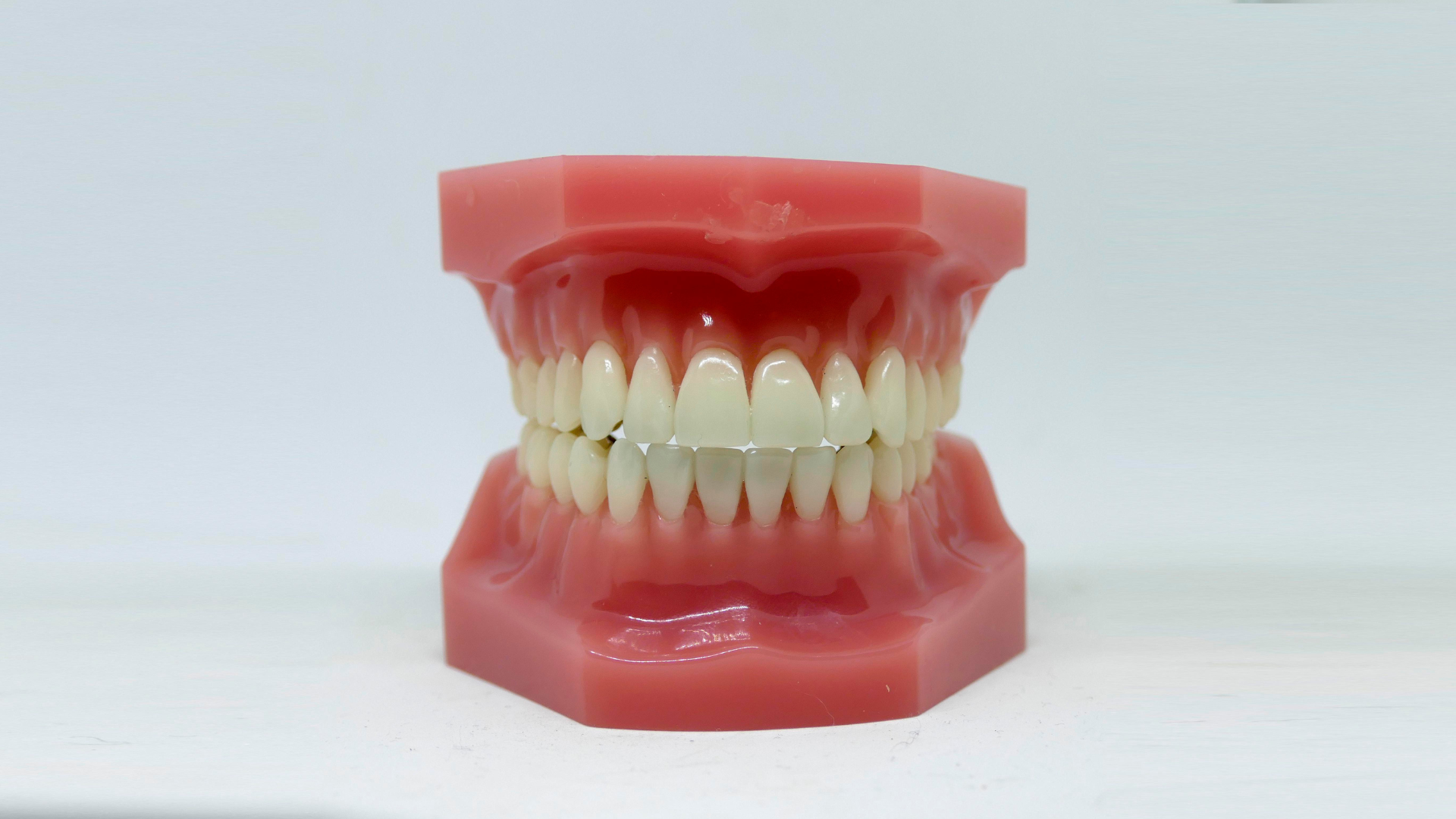
Crooked teeth can be caused by many factors, including both genetics and environmental influences. Understanding the cause can help guide the most appropriate treatment plan. The main causes include
Genetics
Genetics play a major role in the development of crooked teeth. Facial structure, jaw size, and tooth size can all be inherited. If you have a small jaw but relatively large teeth, there may not be enough space for all the teeth to align properly. As a result, the teeth may twist or tilt in order to fit into the limited space. In addition, an imbalance between the upper and lower jaws can also contribute to crooked teeth.
Dental Trauma
Accidents or injuries that directly affect the teeth or jaw can change the structure of the mouth and influence tooth alignment. For example, an impact that shifts a tooth out of place or an injury that distorts the jawbone may cause newly erupting teeth or permanent teeth to come in abnormally. This can eventually lead to crooked teeth.
Excessive Pressure on the Teeth and Gums
Certain habits can place continuous pressure on the teeth and gums, causing the teeth to gradually move out of their normal position. In children, examples include prolonged thumb-sucking, extended pacifier use after the age of 4, or lip-sucking. In adults, habits such as tongue thrusting, nail biting, or teeth grinding can also create uneven pressure, causing the teeth to slowly shift and become crooked.
Early Loss of Baby Teeth
Losing baby teeth before they naturally fall out can cause neighboring teeth to shift into the empty space, reducing the room available for permanent teeth to erupt later on. When the permanent teeth are ready to come in, they may not have enough space and may erupt in abnormal positions, become twisted, or overlap with other teeth. On the other hand, if baby teeth remain for too long, they may also cause permanent teeth to erupt out of position.
Complications of Crooked Teeth
Crooked teeth are not only a cosmetic concern, but can also affect oral health and quality of life in many ways.
- Difficult to clean – Misaligned teeth make brushing and flossing more difficult, leading to the buildup of plaque and tartar.
- Higher risk of tooth decay – When teeth cannot be cleaned thoroughly, cavities are more likely to develop in hard-to-reach areas.
- Gum disease – The buildup of bacteria around the teeth and gums can lead to gum inflammation and may progress to periodontal disease.
- Abnormal tooth wear – An uneven bite can cause certain areas of the teeth to wear down more than normal.
- Jaw joint problems – Poor bite alignment may lead to pain in the jaw joint, headaches, or facial pain.
- Bad breath – Bacteria trapped between crowded teeth can cause unpleasant breath.
- Reduced self-confidence – Crooked teeth may make some people feel uncomfortable smiling or speaking in public, which can affect social interactions and self-image.
Treatment Options for Crooked Teeth
There are several ways to treat crooked teeth, depending on the severity of the problem, the patient’s age, and the underlying cause. A dentist will evaluate these factors in order to recommend the most suitable treatment option.
1. Orthodontic Treatment (Braces)
Braces are the most effective and most commonly used method for correcting crooked teeth. They work by applying gradual pressure to move the teeth into their proper positions. Today, patients can choose between traditional metal braces and clear aligners, depending on their needs and suitability. Orthodontic treatment usually takes about 1-3 year , depending on the complexity of the case, but it provides long-lasting results and can improve both appearance and bite alignment.
2. Veneers
Veneers are an option for treating mildly crooked teeth and are suitable for people who want to improve only a few front teeth. This method uses special materials, such as ceramic, bonded to the front surface of the teeth to improve their shape and appearance. In addition to correcting mild crookedness, veneers can also enhance the color and overall form of the teeth at the same time. The main advantage is that treatment takes much less time than braces. However, veneers may not be suitable for cases of severe crooked teeth or when bite problems are also present.
3. Jaw Surgery
In cases where crooked teeth are caused by severe jawbone structural abnormalities, treatment may require jaw surgery combined with orthodontic treatment. Surgery helps correct the jawbone structure and improve balance, making orthodontic treatment more effective and leading to better overall results. This option is suitable for adults whose bone growth is complete and who have crooked teeth together with jaw abnormalities that affect the bite and jaw function.
Source :
**Translated and compiled by ArokaGO Content Team
XDC DENTAL CLINIC
Share this article
More Articles
Discover more insights on health care and medical tourism.

Middle Ear Infection
A middle ear infection occurs when the tissues inside the middle ear become inflamed. Fluid or pus may accumulate behind the eardrum, leading to symptoms such as:

Lower Back Pain
Lower back pain is a common condition that can affect people of all ages and genders, particularly working-age adults. Symptoms may range from mild discomfort to severe pain that interferes with work, sleep, movement, and overall quality of life.

RIRS for Kidney and Ureteral Stones
RIRS stands for Retrograde Intrarenal Surgery. It is a minimally invasive procedure used to treat kidney stones and stones in the upper ureter without making an external surgical incision.