Eyelid Warming and Lid Hygiene: An Essential Treatment for Meibomian Gland Dysfunction and Blepharitis
Eyelid hygiene, encompassing eyelid warming, massage, and cleansing, is a cornerstone treatment for Meibomian Gland Dysfunction (MGD) and blepharitis. These conditions are characterized by dysfunction and inflammation of the meibomian glands, leading to ocular surface discomfort and compromised tear film stability. This paper explores the components, mechanisms, and clinical significance of eyelid hygiene, including recent insights from global and regional workshops.
Meibomian Gland Dysfunction (MGD) and blepharitis are prevalent ocular conditions, often contributing to chronic inflammation and dry eye disease. MGD involves the obstruction or alteration of meibomian gland secretions, while blepharitis refers to inflammation of the eyelid margins. Effective management of these conditions is critical, as they can impair tear film quality and lead to significant patient discomfort.
Eyelid hygiene, as a primary therapeutic intervention, has been endorsed in guidelines such as the International Workshop on Meibomian Gland Dysfunction (2011) and subsequent regional adaptations. This paper discusses the principles, methodology, and clinical outcomes of eyelid hygiene in managing MGD and blepharitis.
Methods of Eyelid Hygiene
1. Eyelid Warming
Eyelid warming serves to liquefy meibum, the lipid secretion of the meibomian glands, which often solidifies in MGD. Studies have shown that meibum in MGD patients has a higher melting point than in healthy individuals (Geerling et al., 2011). The application of heat facilitates glandular secretion and reduces obstruction.
Technique:
A warm compress, such as a damp towel, is applied to closed eyelids for 5–15 minutes.
Heat should be maintained consistently, with reheating every 2 minutes if necessary. Alternatives include gel packs or other heating devices.
Caution must be exercised to prevent thermal injury by ensuring that the compress temperature does not exceed safe levels.

2. Eyelid Massage
Eyelid massage mechanically expresses the obstructed meibum, complementing the effects of warming.
Technique:
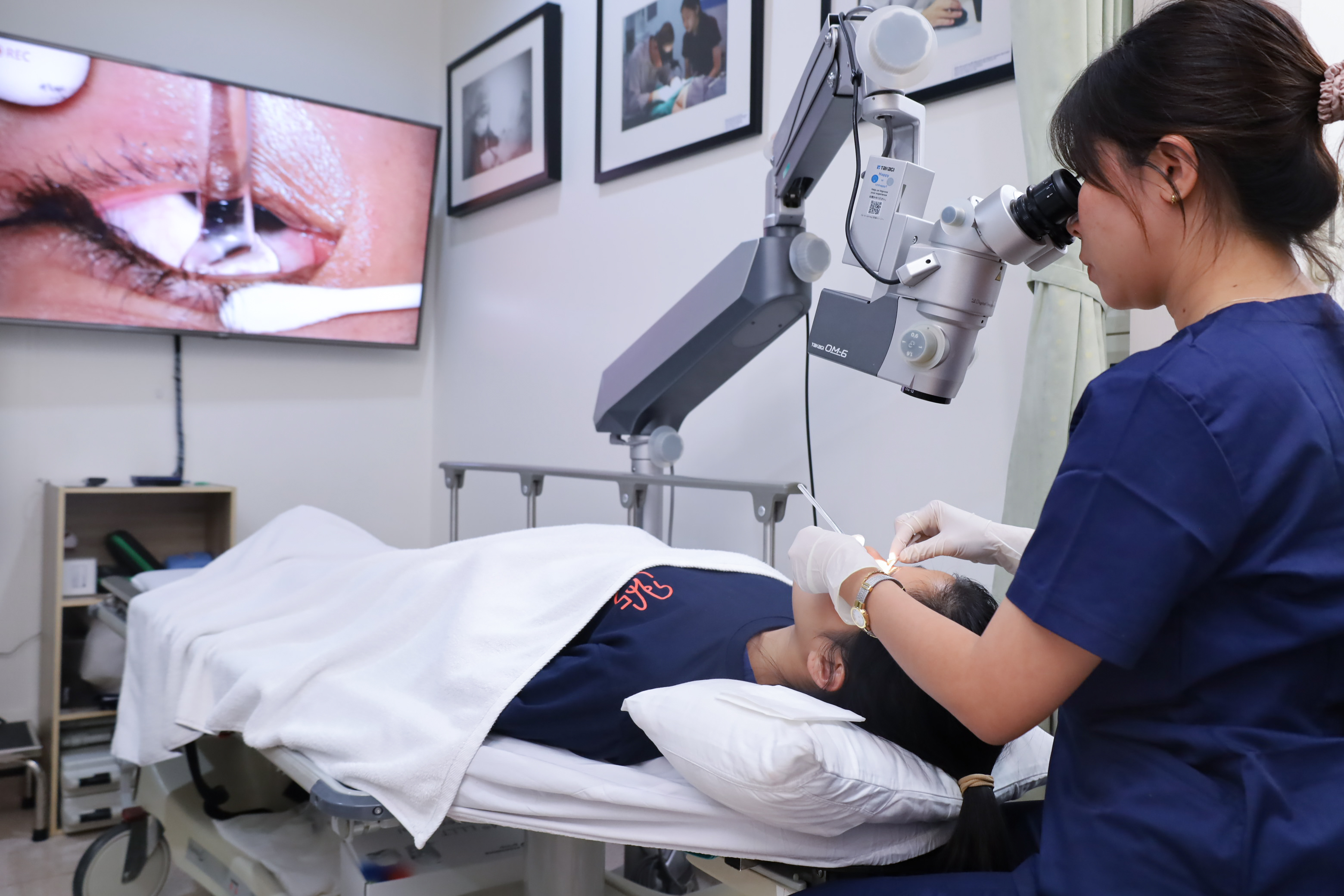
Manual massage involves rolling the eyelid margins with a finger or cottontipped applicator, directed towards the gland orifices.
Instruments such as flat glass rods can be utilized to stabilize the eyelid during massage, increasing precision and consistency of pressure.
Massage is performed with firm but tolerable pressure, and excessive force is avoided to minimize patient discomfort and tissue damage.
3. Eyelid Cleansing
Eyelid cleansing eliminates debris, bacteria, and excess lipids from the eyelid margins, promoting gland health.
Technique:
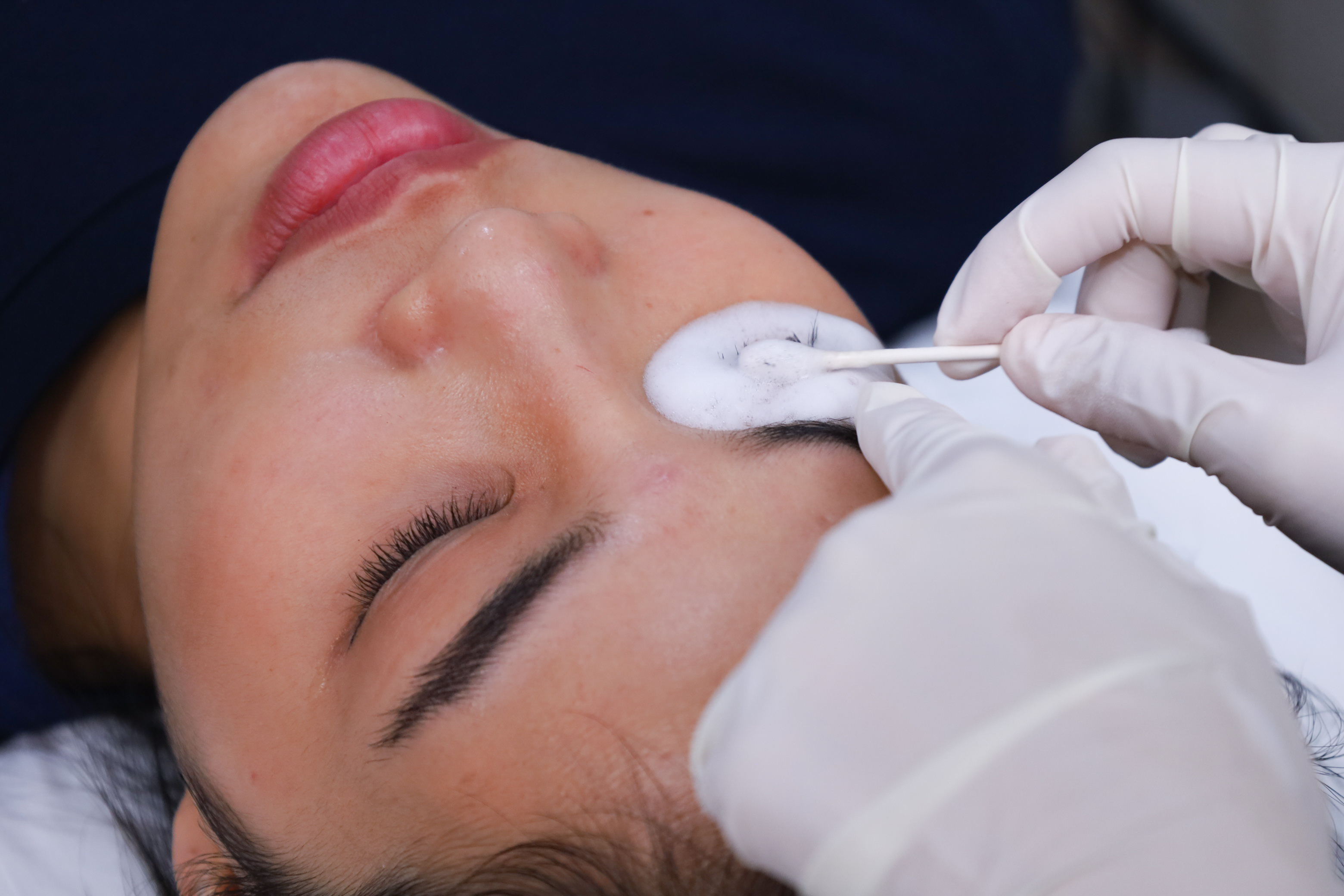
Cleaning agents such as saline, warm water, diluted baby shampoo, or commercial eyelid cleansers are applied using a cotton pad or swab.
Specialized foams containing Tea Tree Oil (TTO) are recommended for cases of Demodex blepharitis, a parasitic condition associated with blepharitis.
The procedure involves gentle wiping of the eyelid margins and lash bases, avoiding aggressive scrubbing.
Clinical Outcomes and Benefits
Regular implementation of eyelid hygiene has demonstrated significant benefits in patients with MGD and blepharitis:
Improved meibomian gland function and lipid layer quality (Nichols et al., 2011).
Reduced ocular surface inflammation and tear film instability (Tomlinson et al., 2012).
Enhanced patientreported outcomes in terms of symptom relief and quality of life.
While eyelid hygiene is a widely recommended intervention, variations in technique and patient adherence can influence clinical efficacy. Emerging technologies, such as automated eyelid warming devices, offer potential improvements in standardization and patient compliance. Additionally, further studies are needed to refine treatment protocols and establish evidencebased guidelines for specific subtypes of blepharitis and MGD.
Eyelid hygiene, incorporating warming, massage, and cleansing, is an indispensable component of MGD and blepharitis management. Its simplicity, efficacy, and noninvasive nature make it a foundational therapy. Healthcare providers should educate patients on proper techniques and emphasize the importance of regular practice to achieve optimal outcomes.
References:
At Eye Institute and Surgery Center
www.arokago.com/providers/at-eye-institute-and-surgery-center
At Eye Clinic and Surgery Center
Share this article
More Articles
Discover more insights on health care and medical tourism.

PPOS: Innovative Approach to Ovarian Stimulation
PPOS (Progestin-primed Ovarian Stimulation) is a novel approach to stimulating ovulation in women undergoing procedures such as egg freezing or in-vitro fertilization (IVF).

Endometrial Microbiome and Its Correlation to Female Infertility
The human body hosts a vast number of natural microorganisms, collectively known as the microbiome, which includes bacteria, viruses, and fungi. Humans have co-evolved with these trillions of microorganisms, adapting to physiological changes over time.

PICSI – Another Way, Another Hope
Modern infertility treatments are increasingly enhanced by advanced technologies that significantly boost the chances of pregnancy. One widely used method is ICSI (Intracytoplasmic Sperm Injection), which allows for the selection of a single sperm to inject directly into the egg. [1,7] Since sperm quality plays a crucial role in fertilization and embryo development, ICSI has become an important tool in assisted reproduction. However, ICSI primarily selects sperm based on their morphology and motility, without insight into the sperm’s internal quality. This limitation has led to the development of an advanced technique known as PICSI, which helps further refine sperm selection, offering a promising solution for couples facing infertility caused by poor sperm quality.