How to stay safe from PM2.5

Recently, the weather conditions in Thailand have been problematic due to high levels of air pollution, ranking among the top in the world. As a result, it appears hazy throughout the day, with one dangerous component being PM 2.5 dust particles, which significantly impact our health. Therefore, it's important to understand this type of dust in order to take care of ourselves and our families and stay safe from PM 2.5 dust.
Particulate Matter (PM) consists of two types based on size:
1. Coarse particles (PM10) - These are particles with a diameter less than 10 micrometers, or one-seventh the width of a human hair. They originate from natural sources such as pollen, bacteria, or household dust.
2. Fine particles (PM2.5) - These are particles with a diameter less than 2.5 micrometers, mainly caused by human activities like burning, vehicle emissions, and industrial processes. They often contain higher levels of heavy metals compared to PM10.
PM 2.5 is considered hazardous as it can easily penetrate the respiratory system, causing various health issues. During seasonal changes, such as transitioning from winter to summer, temperature fluctuations lead to increased levels of PM 2.5 accumulation. According to the World Health Organization (WHO) Air Quality Guideline 2016, the average PM 2.5 concentration in a 24-hour period should not exceed 25 micrograms per cubic meter.
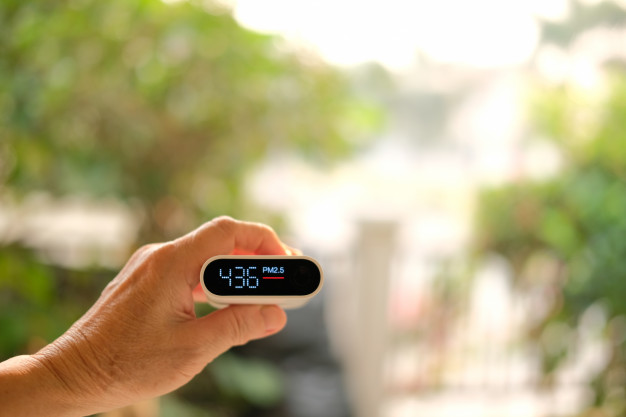
Common health problems caused by PM 2.5 include:
• Irritated eyes and excessive tearing
• Nasal congestion and runny nose
• Skin irritation
• Fatigue, shortness of breath, chest tightness, and rapid breathing
These symptoms worsen in individuals with pre-existing conditions such as allergies, asthma, or respiratory infections, as well as in children and the elderly.
The primary recommendation is to reduce or avoid exposure to PM 2.5. You can monitor air quality using the Air Quality Index (AQI) to determine whether outdoor activities are safe. If the AQI exceeds 100 or is marked orange or red, it indicates poor air quality, and outdoor activities should be avoided.
To protect your health from PM 2.5:
• Check air quality frequently using apps like AIR4THAI.
• Wear a mask when necessary, especially particulate respirators like N95 or P100 if spending extended time outdoors.
• Stay indoors, especially for vulnerable groups like children, the elderly, pregnant women, or those with pre-existing health conditions.
• Avoid vigorous outdoor activities that increase breathing rate.
• Minimize indoor air pollution sources such as smoking, burning charcoal, using aerosols, or burning incense.
• Use air purifiers with efficient filters to reduce indoor PM 2.5 levels.
• Seek medical advice promptly if symptoms worsen and avoid exposure to PM 2.5.

Let's stay safe from PM 2.5 pollution!
Source: Department of Disease Control, Ministry of Public Health
Translated and compiled by ArokaGO Content Team
Princ Hospital Suvarnabhumi
Share this article
More Articles
Discover more insights on health care and medical tourism.

Wellness Tourism in Thailand | Why Travelers Come for More Than a Holiday
When people think about Thailand, beaches, street food, temples, and vibrant city life usually come to mind. But in recent years, something has changed. More travelers are arriving with a different purpose — not only to explore, but to improve their wellbeing, reduce stress, undergo preventive health screening, or simply take better care of themselves.

Medical Tourism in Thailand: Where Getting Well Feels Like the Trip of a Lifetime
Imagine waking up in Bangkok, overlooking the Chao Phraya River as long-tail boats drift past your window. Hours later, you've completed a full health screening at a world-class hospital, reviewed your results, and are enjoying iced coffee by a rooftop pool before dinner at Asiatique.

Difference Between “General Massage” and “Anatomy & Wellness Massage”
Anatomy & Wellness Massage combines relaxation with an understanding of muscle structure and body balance. It helps relieve tension, muscle pain, and stiffness, restore movement, and address the root causes of discomfort. Suitable for people with Office Syndrome or chronic muscle pain.