Insomnia Symptoms in the Elderly
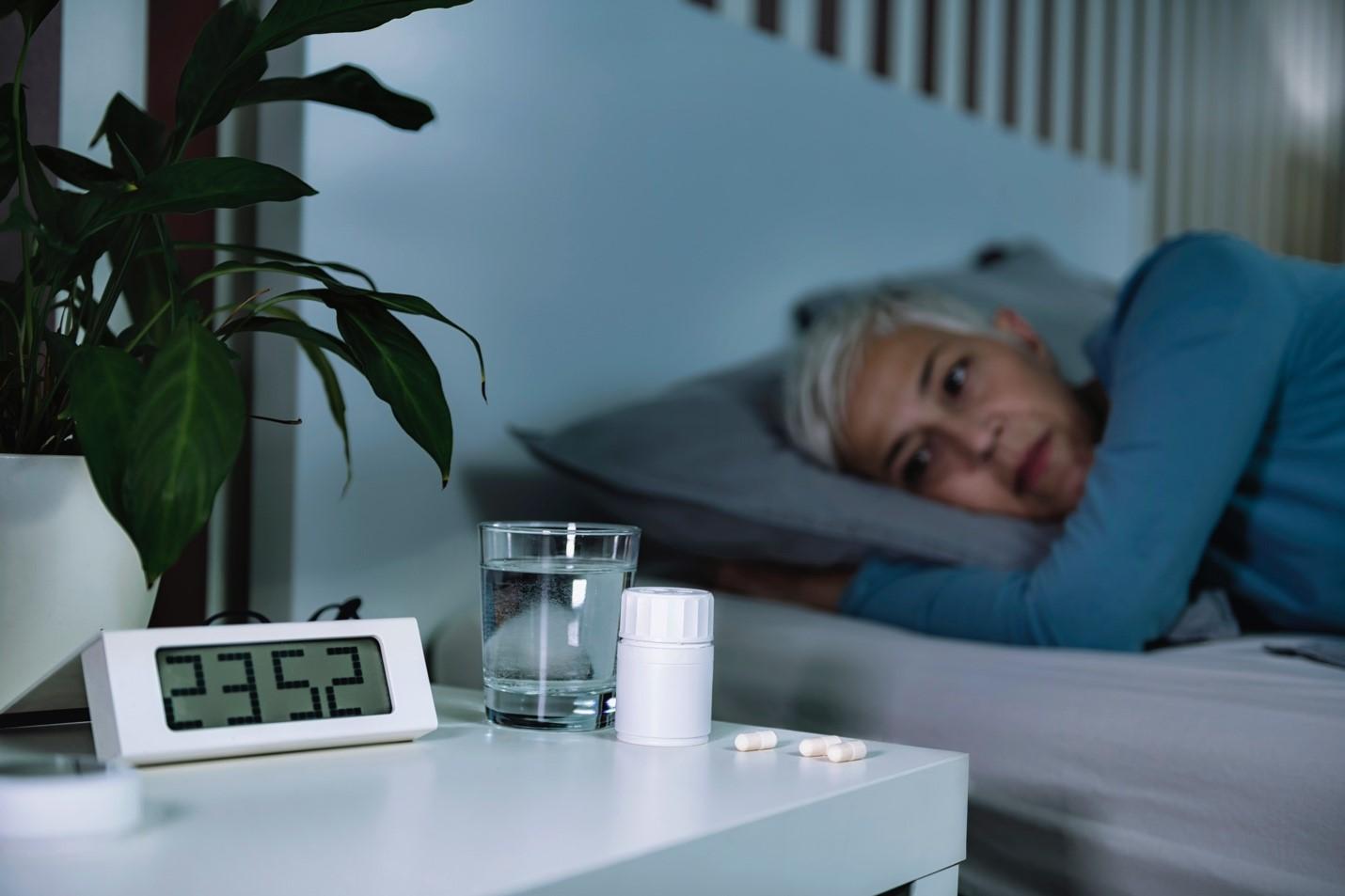
Insomnia may seem like a minor inconvenience, but it shouldn't be overlooked, especially in the elderly. Lack of sleep can have significant negative consequences, ranging from physical fatigue to cognitive impairment. In older adults, insomnia can lead to issues such as daytime fatigue, impaired thinking, and increased risk of accidents due to drowsiness.
Factors Contributing to Insomnia in the Elderly
1. Mental Health Problems: Stress, anxiety, or depression can make it difficult to fall or stay asleep.
2. Chronic Illnesses: Conditions like diabetes that require frequent urination at night can disrupt sleep.
3. Daytime Habits: Excessive napping during the day can make it hard to sleep at night.
4. Environmental Factors: Light and noise in the home can disturb sleep, particularly for older adults who may be more sensitive to such disruptions.
Basic Solutions to Improve Sleep in the Elderly
1. Optimize the Sleep Environment: Ensure the bedroom is dark, quiet, and comfortable.
2. Limit Daytime Napping: Encourage activities during the day to promote better sleep at night.
3. Avoid Stimulants: Reduce or eliminate the intake of tea, coffee, and other caffeinated beverages.
Understanding Insomnia
Insomnia is a common sleep disorder characterized by difficulty falling or staying asleep. It can lead to daytime fatigue, irritability, and trouble concentrating.
Diagnosing Insomnia
1. Physical Exam: To check for underlying medical conditions.
2. Sleep Habits Review: Using questionnaires to gather information about sleep patterns.
3. Sleep Study: An overnight test to monitor sleep and identify issues like sleep apnea or restless legs syndrome.\

Treating Insomnia
1. Lifestyle Changes:
- Establish regular sleep habits.
- Stay active during the day.
- Avoid caffeine and alcohol.
- Create a comfortable sleep environment.
2. Cognitive Behavioral Therapy (CBT): Techniques to change unhelpful thoughts and behaviors that interfere with sleep.
3. Prescription Medicines: Short-term use of sleeping pills can help, but long-term use is not recommended.
4. Over-the-Counter Sleep Aids: Antihistamines can induce sleep but may cause daytime drowsiness and confusion.
5. Alternative Medicine: Melatonin, valerian, acupuncture, yoga, and meditation, although their effectiveness varies.
Tips for Better Sleep
- Maintain a consistent sleep-wake schedule.
- Be physically active during the day.
- Avoid caffeine, alcohol, and nicotine in the evening.
- Create a dark, quiet, and cool sleep environment.
- Practice relaxation techniques before bed.
- If you can't fall asleep after 20 minutes, get up and do something relaxing.
- Wake up at the same time every day, even if you haven't slept well.
Insomnia is often treatable. If you are having trouble sleeping, consult your doctor for the best treatment options tailored to your needs.
Sources:
https://www.arokago.com/health-library/insomnia/diagnosis
https://theparents.com/th/article/1/อาการนอนไม่หลับในผู้สูงอายุ
The Parents Wellness and Rehabilitation
Share this article
More Articles
Discover more insights on health care and medical tourism.

Bangkok Beyond Hospitals: A Guide to Wellness, Thai Food & Gentle City Exploration
For travelers visiting Thailand for medical care, Bangkok may be an important part of their journey. Yet the experience of staying in the city can extend well beyond hospital appointments and consultations.

How to Choose a Facelift Hospital in Thailand: 8 Factors to Consider
Changes in facial firmness, lower-cheek definition, and neck contour may lead some people to explore facelift surgery. Choosing where to undergo treatment involves more than comparing prices or looking at before and after photographs.

Top 4 Romantic Beachfront Resorts in Samui with Private Pool Villas
Discover the top 4 romantic beachfront resorts in Samui with private pool villas. Explore luxury retreats like Melati Beach Resort & Spa and Chaweng Regent.