Osteoporosis: The Silent Threat Common Among the Elderly
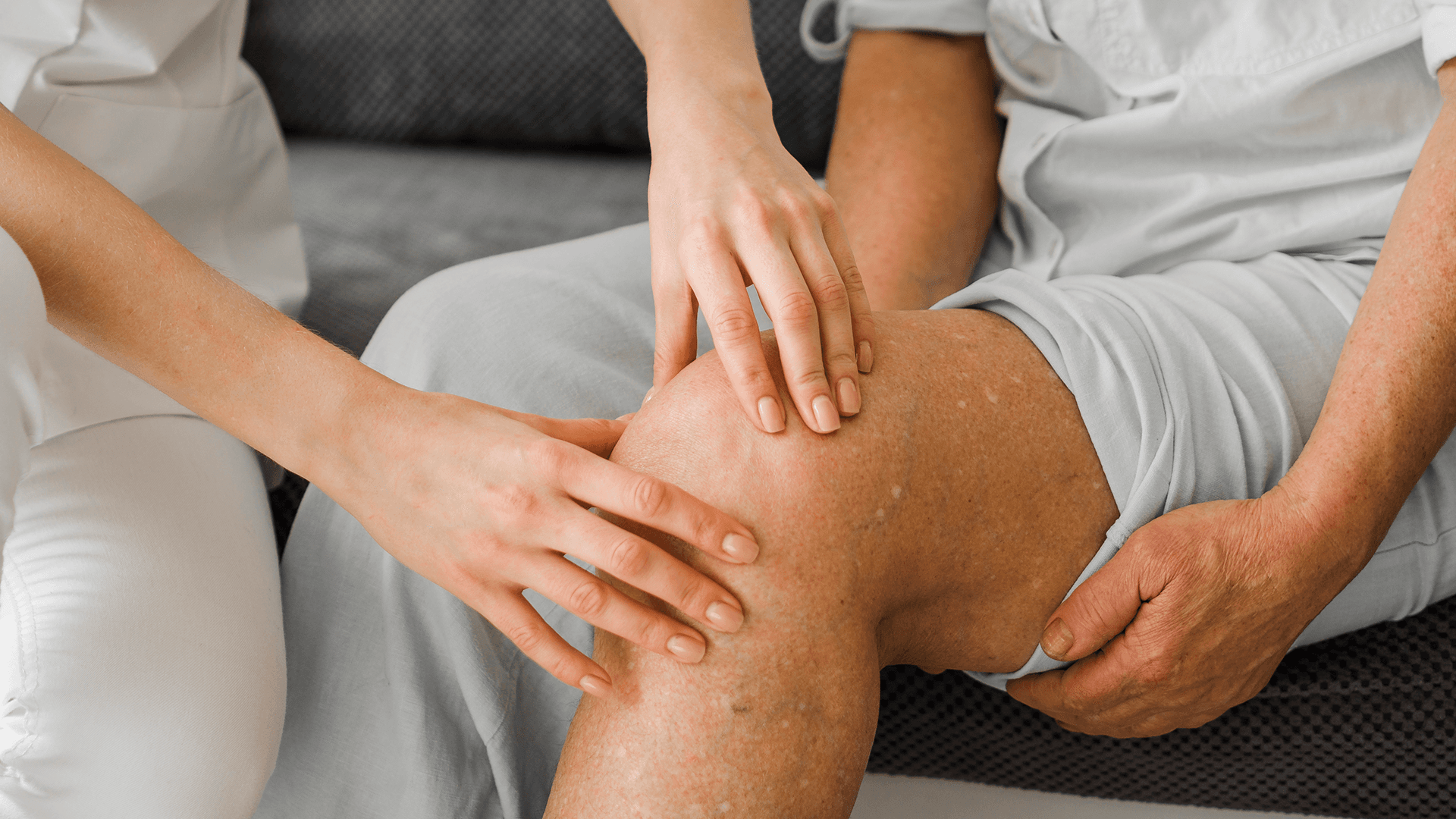
Osteoporosis is a significant public health concern often referred to as a "silent disease," much like high blood pressure or elevated cholesterol levels. It quietly undermines the health and quality of life of the elderly. Typically, individuals with osteoporosis show no symptoms, making it difficult to diagnose and treat in its early stages. As people live longer, particularly women, the prevalence of chronic conditions such as osteoporosis is on the rise.
Globally, approximately 200 million women experience osteoporosis after menopause. The incidence of osteoporosis increases with age: 4% for those aged 50-59, 8% for those aged 60-69, 25% for those aged 70-79, and 48% for those over 80. One major complication is fragility fractures, which occur due to brittle bones. Studies show that the elderly experience a fragility fracture every 3 seconds, totaling 25,000 incidents per day or 9 million annually. Among individuals over 50, the risk of fragility fractures is 35% for women and 20% for men. Fractures commonly occur in the wrist (1.7 million), hip (1.6 million), spine (1.4 million), and upper arm (0.7 million). These fractures often lead to physical suffering, psychological distress, and financial burden, amounting to approximately €32 billion or $20 billion annually.
In addition to the increased risk of fractures, mortality rates after a fracture are concerning. Within the first 1-2 years following a fragility fracture, the mortality rate rises to around 18-20%, a threefold increase for both men and women. Factors such as age over 70, being male, and conservative treatment without surgery contribute to higher mortality rates.
What is Osteoporosis?
Osteoporosis is a systemic skeletal disease characterized by low bone mass and the deterioration of bone microarchitecture. These changes lead to increased bone fragility, causing bones to break easily, even from minor accidents such as falls.
The Mechanism Behind Osteoporosis
Bone structure consists of collagen and minerals, primarily calcium. Normally, the body continuously forms and breaks down bone through hormonal regulation. However, if bone resorption exceeds bone formation or if bones lack calcium, osteoporosis can develop. Peak bone mass is reached around age 30, after which bone density gradually decreases. Genetics accounts for up to 80% of peak bone mass, but factors such as aging and hormonal deficiencies, particularly estrogen, also play a critical role. Other contributing factors include a lack of physical activity, alcohol consumption, and the use of certain medications.
- Aging: After the age of 30, bone resorption outpaces bone formation, leading to thinner, weaker bones. Women may lose up to 50% of bone mass, while men lose about 30%, depending on the type of bone.
- Hormonal Deficiencies: A lack of estrogen, especially after menopause, decreases bone formation while increasing bone resorption, significantly contributing to bone loss.
- Calcium and Vitamin D Deficiency: The body maintains bone balance through the interplay of calcium, vitamin D, and parathyroid hormone. Low calcium intake or poor calcium absorption increases parathyroid hormone levels, leading to bone resorption. Vitamin D deficiency impairs bone formation, further elevating parathyroid hormone levels and exacerbating bone loss.
- Medications: Certain drugs, particularly those containing steroids, inhibit bone formation and accelerate cell death in bone-forming cells.
References
Riggs BL, Melton LJ. 3rd. Involutional osteoporosis. N Engl J Med. 1986 Jun 26;314: 1676-1686
Van Staa TP, Dennison EM, Leufkens HG, Copper C. Epidemiology of fractures in England and Wales. Bone 2001; 29: 517-522
Office of the Surgeon General (US). Bone Health and Osteoporosis: A Report of the Surgeon General. Rockville (MD); 2004.
Kanis JA et al. on behalf of the Scientific Advisory Board of ESCEO and the Committee of Scientific Advisors of IOF. European guidance for diagnosis and management of osteoporosis in postmenopausal women. In press. Osteoporosis Int 2012; DOI 10.1007/s00198-012-2074-y
Johnell O, Kanis JA. An estimate of the worldwide prevalence and disability associated with osteoporotic fractures. Osteoporos Int. Dec 2006; 17(2): 1726-1733
International Osteoporosis Foundation. The Asian Audit: Epidemiology, costs and burden of osteoporosis in Asia 2009.
Phadunkiat S, Chariyalertsak S, Rajatanavin R et al. Incidence of osteoporotic hip fracture in Chiang Mai. J. Med Assoc Thai, 2002; 85(5): 565-571
Vaseenon T, Luevitoonvechkij S, Wongtriratanachai P et al. Long-term mortality after osteoporotic hip fracture in Chiang Mai, Thailand. J Clin Densitom. 2010; 13(1): 63-67
Translated and compiled by ArokaGO Medical Content
Source: dr.wat.com
Police General Hospital
Share this article
More Articles
Discover more insights on health care and medical tourism.

Adenovirus in Children: Symptoms, Diagnosis, and Prevention
Adenovirus can be transmitted from person to person through direct contact, inhalation of droplets containing the virus, or consuming contaminated food or water. It is not a new virus-it has been around for a long time, is highly resistant to environmental conditions, and spreads easily, leading to periodic outbreaks.

Colic in Infants: Symptoms, Causes & How to Soothe Your Baby
Colic in Infants: Symptoms, Causes & How to Soothe Your Baby It's common for new parents to experience a situation where their newborn cries continuously, no matter how hard they try to soothe them. The more the baby cries, the more worried the parents become. This article introduces infant colic-why it happens and how to deal with it effectively. Colic Symptoms Every New Parent Should Know

Cell Therapy
Cell therapy involves the use of living cells or cell-derived components to support tissue repair, stimulate regeneration, and improve the function of the body’s own cells.