What Is Sensitive Skin? Causes, Proper Care, and Long-Term Solutions for a Stronger Skin Barrier
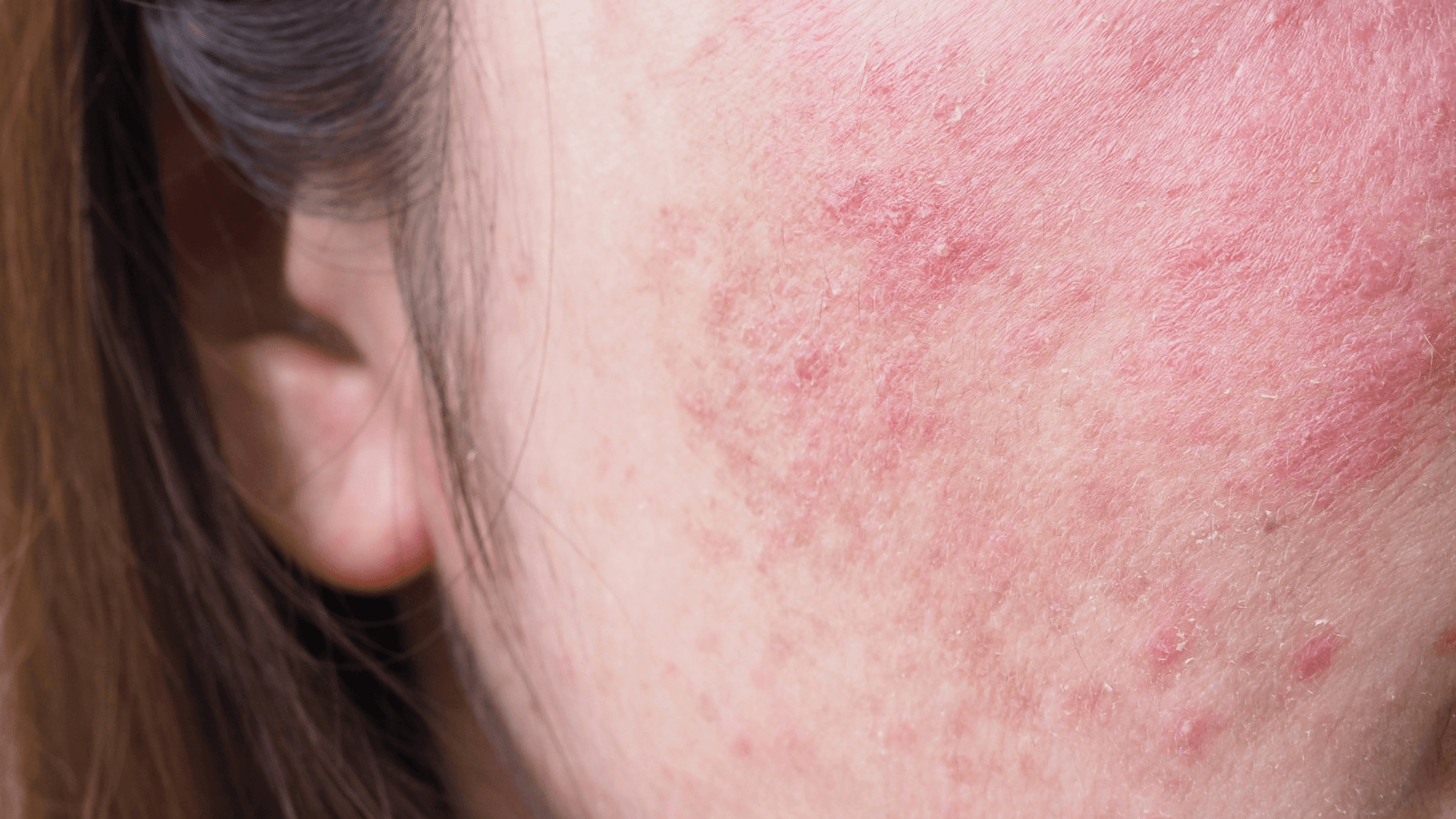
“Sensitive skin” is one of the most common skin concerns that many people struggle with. Not only is sensitive skin easily irritated, but it can also develop redness, itching, rashes, or even inflammatory acne more readily than normal skin. Caring for this skin type requires special attention. This article will guide you through a deeper understanding of sensitive skin—from causes and symptoms to skincare tips, product recommendations, and sustainable ways to strengthen the skin barrier safely.
What Is Sensitive Skin?
Sensitive skin is a condition in which the skin reacts easily to various triggers—even mild ones such as cosmetics, dust, sunlight, or even tap water. These reactions can result in burning, redness, itching, or rashes on the face and neck.
Signs That You May Have Sensitive Skin
-
Dry, flaky skin
-
Stinging or itching after using certain products
-
Redness or irritation that appears easily
-
Skin that is reactive to sunlight and temperature changes
-
Rashes after exposure to dust or pollution
Causes of Sensitive Skin
1. Genetics
Some individuals are born with a naturally thinner or more delicate skin structure.
2. Weak or Damaged Skin Barrier
Dehydrated skin allows irritants to penetrate more easily, leading to increased sensitivity.
3. Using Incorrect or Harsh Products
Ingredients such as preservatives, fragrances, or alcohol in skincare may cause irritation.
4. Stress and Hormonal Imbalance
These factors can heighten skin reactivity and sensitivity.
5. External Factors
Pollution, UV exposure, and abrupt temperature changes can trigger irritation.
How to Care for Sensitive Skin Properly
Choose Gentle, Hypoallergenic Products
Avoid irritating ingredients such as fragrance, colorants, and alcohol.
Focus on Hydration and Barrier Repair
Opt for creams or serums containing skin-strengthening ingredients such as ceramides, panthenol, and hyaluronic acid.
Cleanse Gently
Avoid scrubbing the skin. Use a mild cleanser with a pH close to that of the skin.
Avoid Trying Too Many New Products at Once
Perform a patch test on the inner forearm before applying anything new to the face.
Use Sunscreen Daily
Choose formulas specifically designed for sensitive skin and labeled “non-comedogenic.”
Recommended Ingredients for Sensitive Skin
-
Aloe Vera – Soothes irritation and hydrates
-
Panthenol (Vitamin B5) – Helps repair weakened skin
-
Ceramides – Reinforce the skin barrier
-
Allantoin – Reduces irritation and inflammation
-
Niacinamide (Vitamin B3) – Minimizes redness and strengthens the skin
Things to Avoid If You Have Sensitive Skin
-
Frequent scrubs or harsh exfoliation
-
Products containing fragrance, alcohol, or parabens
-
Washing your face with very hot water
-
Constantly switching between different products
-
Lack of sleep, high stress, and insufficient water intake
Summary
Sensitive skin is not a condition that should be overlooked. Improper care may lead to chronic inflammation and other skin problems. By choosing gentle products, avoiding known irritants, and consistently supporting the skin barrier, you can restore and maintain strong, resilient skin in the long term.
Frequently Asked Questions About Sensitive Skin
Q: Can sensitive skin be completely cured?
A: Sensitive skin may not be permanently cured, but it can be significantly improved and well-controlled with proper long-term care.
Q: Can people with sensitive skin wear makeup?
A: Yes, but makeup should be chosen carefully—preferably non-comedogenic formulas—and be removed thoroughly every day.
Q: When should I see a dermatologist?
A: If symptoms such as redness, itching, or rashes become persistent or severe, it's best to consult a dermatologist for accurate diagnosis and appropriate treatment.
Source: Pmed Clinic
**Translated and compiled by ArokaGO Content Team
PMed Clinic
Share this article
More Articles
Discover more insights on health care and medical tourism.

What are the Common Causes of Infertility?
Many people grow up looking forward to the day they can have children. However, many people find that they’re unable to have children no matter how hard they try. If you are having difficulty getting pregnant, the good news is that treatment is often available, meaning you can still have the family of your dreams. However, before you can treat infertility, you first need to know what is causing it, and there are several potential causes. There are numerous potential causes of infertility, and each can be treated in different ways, if at all. Below are some of the most common causes of all.

Thigh Liposuction
Thigh Liposuction, wave goodbye to big legs with the Liposuction method Have you ever dedicated yourself to heavy exercise, yet the fat around your thighs never seems to decrease? It is believed that many people who clicked to read this article are likely among those facing such issues, feeling more or less anxious about their body shape.

Plank Exercises: More Than Abdominal Training
Plank exercises are commonly used to strengthen the abdominal muscles, but their benefits extend beyond improving the appearance of the waistline. When performed correctly, planks strengthen the core muscles that support the spine and may help improve posture, balance, and spinal stability.