What Is the Nasal Spray Flu Vaccine (LAIV)?

As influenza season approaches each year, protecting yourself and your loved ones—especially young children and older adults—becomes a top priority. Annual influenza vaccination is a globally recommended and proven method to reduce severe illness, complications, and hospitalization.
However, one major barrier preventing many people from getting vaccinated is fear of needles (trypanophobia). This concern is particularly common among children, and even some adults, and can significantly affect healthcare decisions.
To address this issue, medical innovation has introduced an alternative option: the nasal spray flu vaccine. But what exactly is it? How does it work? Is it safe and effective? And how does it compare to the traditional flu shot?
This article provides a comprehensive overview to help you make an informed decision.
What Is the Nasal Spray Flu Vaccine (LAIV)?
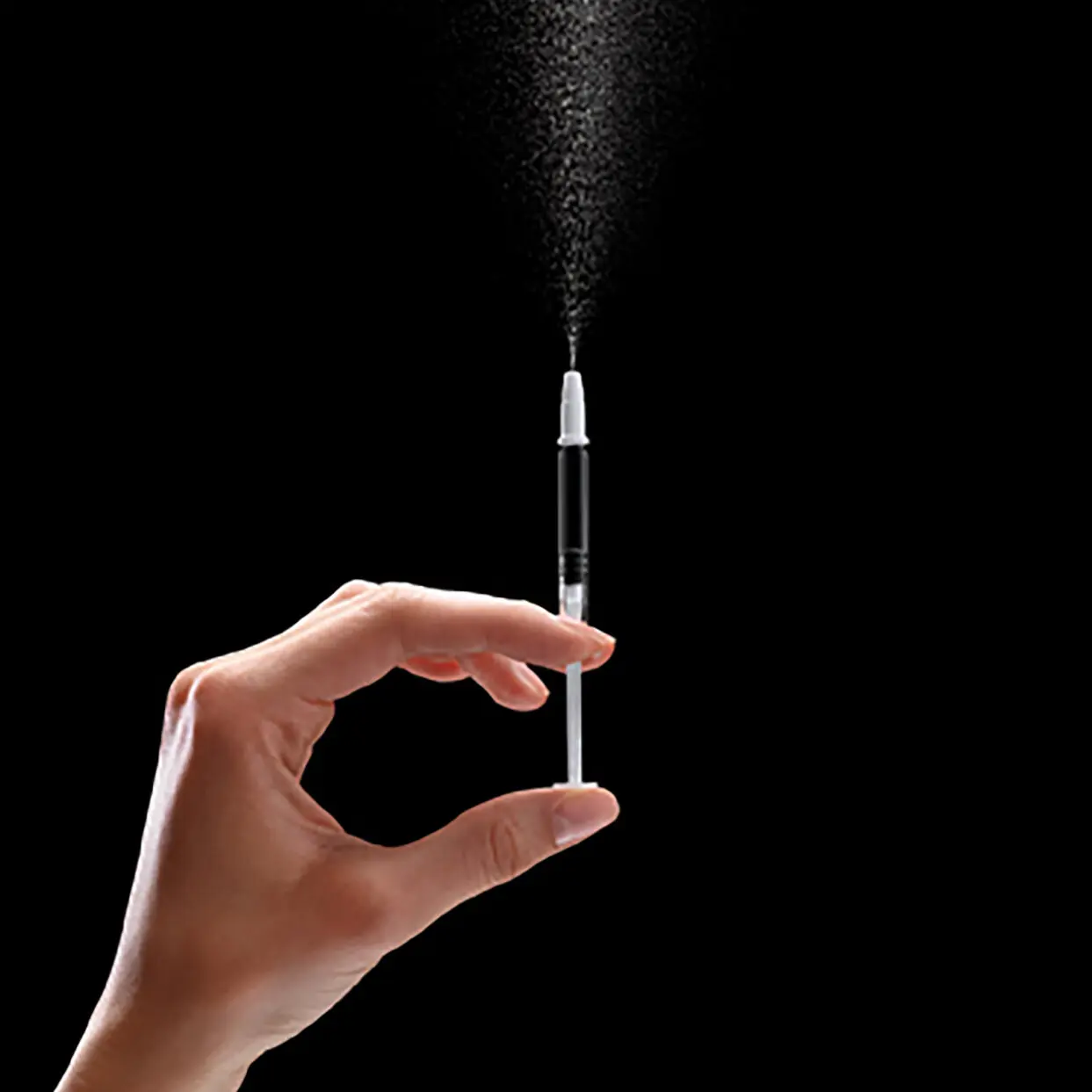
The nasal spray influenza vaccine is administered as a fine mist sprayed directly into the nostrils, rather than injected into the muscle.
Medically, it is known as LAIV (Live Attenuated Influenza Vaccine) a vaccine made from live but weakened influenza viruses.
Is a “Live” Vaccine Safe?
The term “live virus” may sound concerning, but LAIV viruses undergo a highly controlled laboratory process that significantly weakens them.
These attenuated viruses are designed to:
• Grow only in cooler temperatures, such as inside the nasal passages
• Not survive or cause infection in warmer areas like the lungs or internal organs
As a result, LAIV cannot cause severe influenza illness, yet it remains active enough to train the immune system to recognize and fight real influenza viruses in the future.
How LAIV Works: Dual-Layer Immune Protection
One key advantage of LAIV over traditional flu shots lies in how it stimulates the immune system.
Injected Flu Vaccine (IIV – Inactivated Vaccine)
• Stimulates immunity mainly in the bloodstream (systemic immunity)
• Comparable to having soldiers ready inside the city
Nasal Spray Vaccine (LAIV)
Stimulates immunity on two levels:
1. Systemic immunity in the bloodstream
2. Mucosal immunity in the nasal lining—the primary entry point for influenza viruses
This is like placing guards directly at the city gates, stopping the virus at its earliest point of entry. This mechanism closely mimics natural infection and may provide broader immune defense.
Currently available nasal spray flu vaccines in Thailand (such as FluMist) are quadrivalent, covering four influenza strains recommended annually by the World Health Organization (WHO).
Advantages of the Nasal Spray Flu Vaccine
1. Needle-Free and Painless
The most obvious benefit—no injections. This greatly reduces stress, fear, and discomfort, especially in children.
2. Dual-Layer Immune Defense
By activating mucosal immunity in the nose, LAIV provides effective first-line protection against infection.
3. Mimics Natural Infection
Because it is a live attenuated vaccine, LAIV triggers a broader immune response that may better recognize mildly mutated virus strains.
4. High Effectiveness—Especially in Children
Studies show that LAIV:
• Has up to 88% effectiveness in children and adolescents
• Is approximately 54.9% more effective than traditional inactivated flu vaccines in pediatric populations
• Reduces influenza-related hospitalizations by up to 63%
5. Quick and Convenient
The vaccination process takes less than one minute, with a spray into each nostril—no needles, no bandages.
Who Is the Nasal Spray Flu Vaccine Suitable For?
LAIV is effective, but not suitable for everyone.
Recommended Groups
• Children aged 2–17 years
• Healthy adults aged 18–49 years
“Healthy” is important—recipients must have a normally functioning immune system. Studies also show reduced effectiveness in adults aged 50 and above compared with injectable vaccines.
Who Should NOT Receive LAIV?
Because it is a live vaccine, LAIV has stricter contraindications.
Strictly Contraindicated
• Children under 2 years
• Adults 50 years and older
• Pregnant women
• Individuals with weakened immune systems, including:
o Cancer patients undergoing chemotherapy
o Individuals with advanced HIV
o Organ transplant recipients
o Those taking high-dose immunosuppressive medications
Use with Caution / Medical Consultation Required
• Patients with asthma, especially children under 5 with wheezing history
• Individuals with chronic diseases (COPD, heart disease, kidney disease)
• Children or adolescents taking aspirin regularly
• Anyone with a history of severe allergic reactions to flu vaccines or egg protein
👉 Medical screening by a physician is required before receiving LAIV.
Possible Side Effects
The nasal spray flu vaccine is generally very safe. Most side effects are mild and resolve within 1–3 days, indicating that the immune system is responding.
Common Side Effects
• Nasal congestion or runny nose (most common, especially in children)
• Sore throat
• Cough
• Mild fever
• Headache or fatigue
Rare but Serious Reactions
• Severe allergic reactions (anaphylaxis), such as difficulty breathing or facial swelling
These are extremely rare but require immediate medical attention.
Nasal Spray vs. Flu Shot: Key Differences
| Feature | Nasal Spray (LAIV) | Flu Shot (IIV) |
| Virus type | Live attenuated | Inactivated |
| Immunity | Blood + nasal mucosa | Blood only |
| Administration | Nasal spray | Injection |
| Pain | None | Injection discomfort |
| Age range | 2–49 years | 6 months and older |
| Contraindications | More | Fewer |
Frequently Asked Questions
Can I still get the flu after vaccination?
Yes. No vaccine is 100% effective, but vaccination greatly reduces severe illness, complications, and hospitalization.
Do I need it every year?
Yes. Immunity wanes within 6–12 months, and influenza viruses mutate annually.
Is it more expensive?
Typically yes. As an innovative alternative vaccine, it usually costs more than injections in private hospitals.
Can I receive it if I currently have a cold?
It’s best to wait until symptoms resolve, especially if nasal congestion is severe.
Conclusion: A Modern, Needle-Free Alternative
The nasal spray flu vaccine (LAIV) is a valuable innovation—especially for children and individuals with needle anxiety. While it has specific eligibility requirements and may cost more, it offers comfort, convenience, and effective immune protection.
Whether you choose the nasal spray or the traditional injection, the most important step is getting vaccinated before influenza season begins.
👉 Learn more or book a consultation:
https://www.arokago.com/en/providers/princ-hospital-suvarnabhumi
Consult your physician to determine the most appropriate influenza vaccine for you or your child.
PRINC Hospital Suvarnabhumi
Share this article
More Articles
Discover more insights on health care and medical tourism.

Wellness Tourism in Thailand | Why Travelers Come for More Than a Holiday
When people think about Thailand, beaches, street food, temples, and vibrant city life usually come to mind. But in recent years, something has changed. More travelers are arriving with a different purpose — not only to explore, but to improve their wellbeing, reduce stress, undergo preventive health screening, or simply take better care of themselves.

Medical Tourism in Thailand: Where Getting Well Feels Like the Trip of a Lifetime
Imagine waking up in Bangkok, overlooking the Chao Phraya River as long-tail boats drift past your window. Hours later, you've completed a full health screening at a world-class hospital, reviewed your results, and are enjoying iced coffee by a rooftop pool before dinner at Asiatique.

Difference Between “General Massage” and “Anatomy & Wellness Massage”
Anatomy & Wellness Massage combines relaxation with an understanding of muscle structure and body balance. It helps relieve tension, muscle pain, and stiffness, restore movement, and address the root causes of discomfort. Suitable for people with Office Syndrome or chronic muscle pain.