What Should People with Diabetes Eat?

What Should People with Diabetes Eat?
Diabetes mellitus is a condition in which blood sugar levels are higher than normal. This occurs when the body cannot properly use glucose from food due to problems with insulin production or insulin function.
Proper nutrition plays a crucial role in controlling blood sugar levels and preventing complications.
Dietary Guidelines for People with Diabetes
1. Eat a balanced and varied diet. Meals should be taken regularly and on time. Avoid eating only when you feel very hungry, as this may lead to overeating.
2. Avoid sweets and foods containing added sugar.
3. Choose carbohydrate foods that are high in dietary fiber, such as brown rice and whole-wheat bread.
4. Reduce the intake of high-fat foods, especially foods rich in saturated fat.
5. Limit salty foods and reduce salt consumption.
6. Avoid foods and beverages high in sugar or alcohol, including sweet drinks, syrup, soft drinks, sweetened condensed milk, candied fruits, preserved fruits, dried bananas, canned fruits and vegetables, certain sauces, jams, beer, liquor, and chocolate.
Fruits with very high sugar content such as durian, longan, jackfruit, custard apple, and sapodilla should be consumed cautiously.
Carbohydrate-rich foods such as rice, noodles, vermicelli, corn, potatoes, and sago, as well as milk, meat, legumes, canned foods, processed foods, coconut-milk dishes, fried foods, animal fats, butter, pickled foods, creamers, and alcoholic beverages should also be consumed in moderation.Food Exchange Guide for People with Diabetes
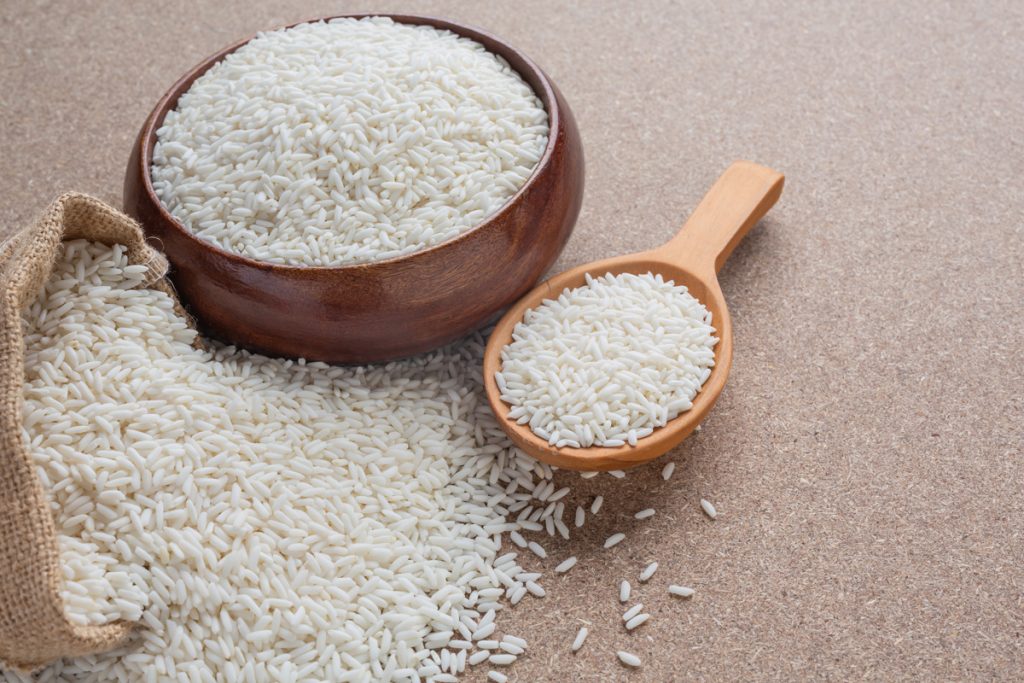
Rice, Flour, and Bread Group
One serving in this group provides approximately 80 kilocalories.
Steamed rice - 1 ladle or about 1/3 cup
Rice porridge - 2 ladles
Rice noodles (Kanom Jeen) - about 1.5 handfuls (90 grams)
Noodles - 1 ladle (90 grams)
Bread - 1 slice (25 grams)
Boiled taro or boiled sweet potato - 1/2 cup (65 grams)
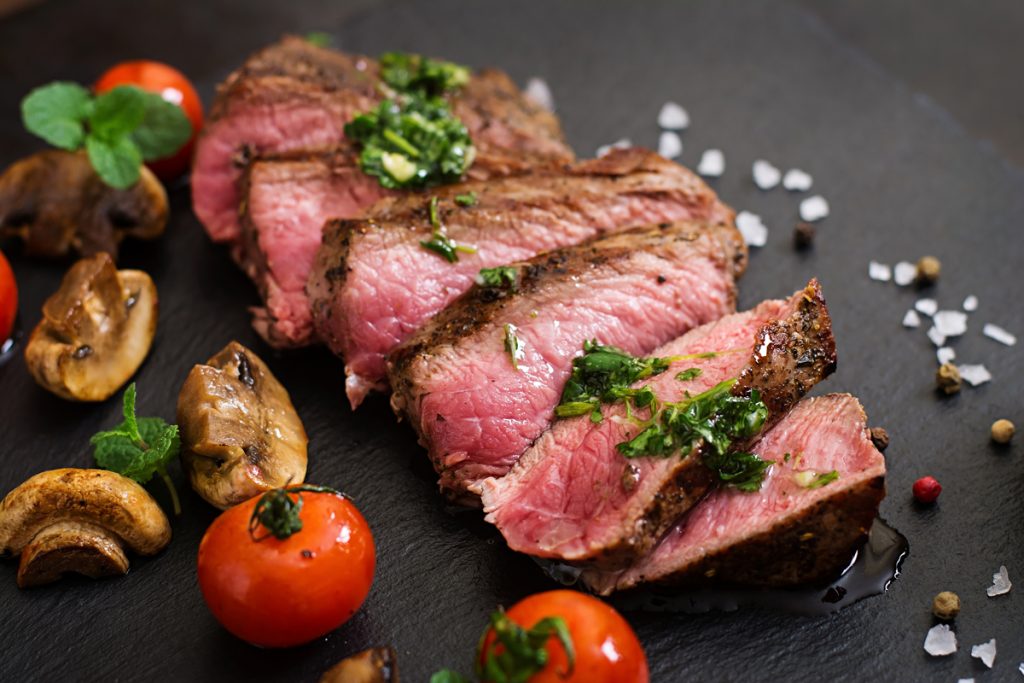
Meat and Protein Group
Lean meat is recommended. One serving provides approximately 55 kilocalories.
Lean pork - 2 tablespoons (30 grams)
Fish - 2 tablespoons (30 grams)
Shrimp (about 2 inches long) - 6 pieces (60 grams)
Chicken, pork, fish, or beef meatballs - 6 pieces
Soft tofu - 1/2 tube (100 grams)
Sausage - 30 grams
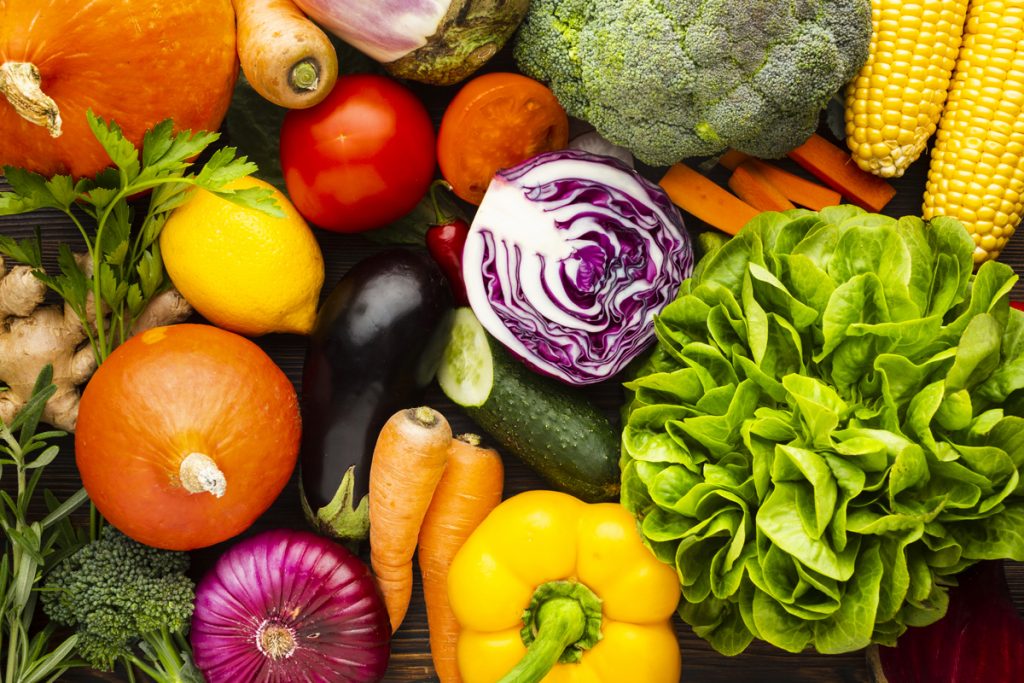
Vegetable Group
One serving provides approximately 25 kilocalories.
One serving equals 1 cup of raw vegetables or 1/2 cup of cooked vegetables.
Recommended vegetables include leafy green and colorful vegetables such as Chinese kale, ivy gourd leaves, tomatoes, carrots, Chinese cabbage, cabbage, baby corn, kale sprouts, broccoli, asparagus, eggplant, green peas, bitter gourd, water mimosa, and cooked spinach.
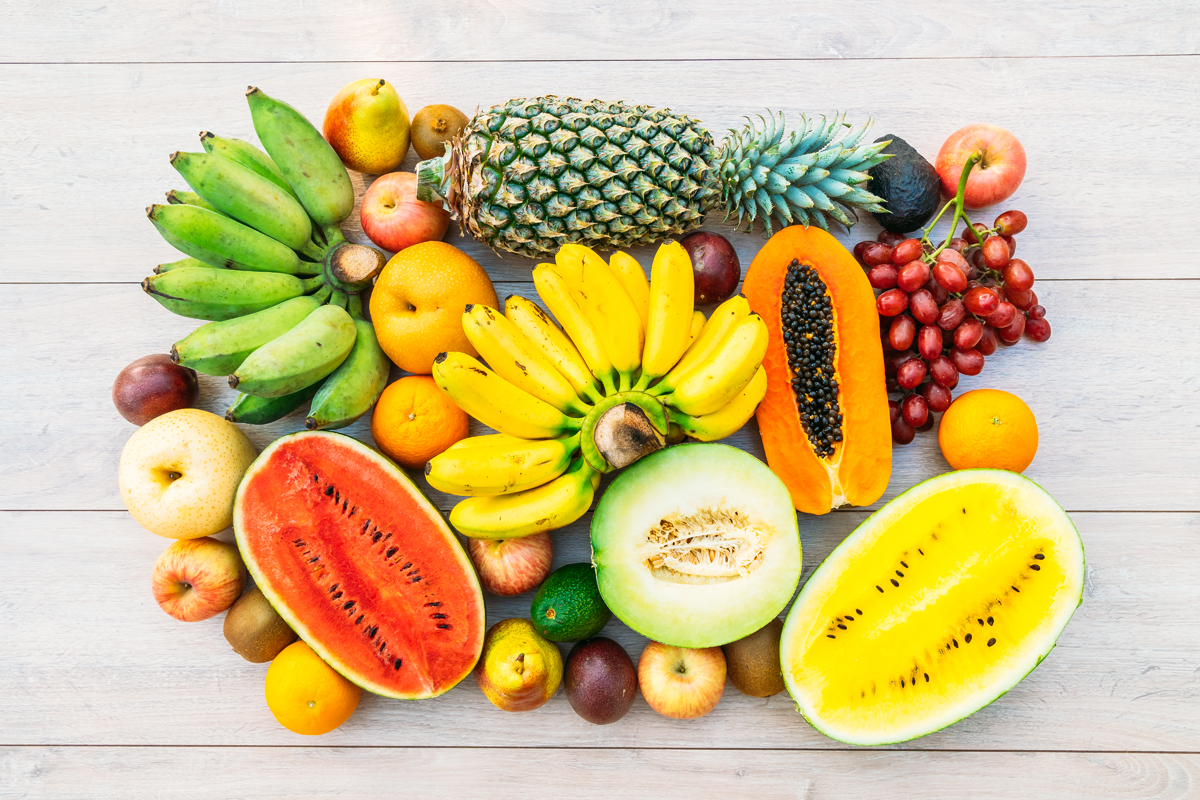
Fruit Group
One serving provides approximately 60 kilocalories.
Small apple - 1 fruit (100 grams)
Small guava - 1/2 fruit (120 grams)
Papaya (bite-sized pieces) - 8 pieces (115 grams)
Rose apple - 4 fruits (250 grams)
Sweet green orange (about 2.5 inches in diameter) - 1 fruit
Watermelon (bite-sized pieces) - 8 pieces (285 grams)
Pineapple (bite-sized pieces) - 8 pieces (125 grams)
Fat Group
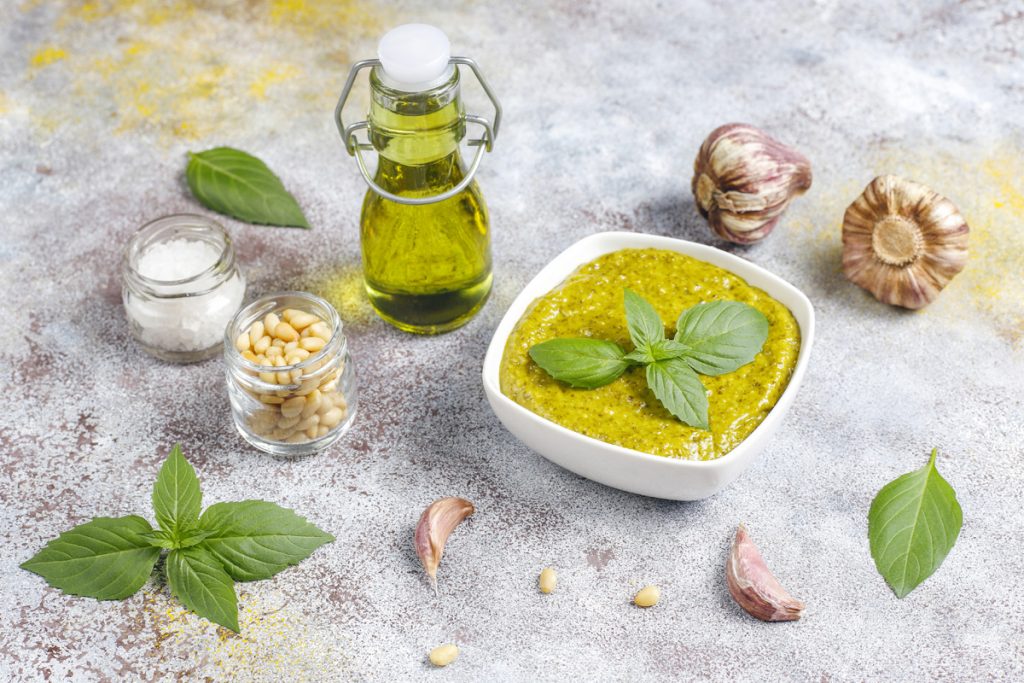
One serving equals 1 teaspoon and provides approximately 45 kilocalories.
It is recommended to limit animal fat and coconut milk to reduce fat and cholesterol intake.
Vegetable oil (sesame, soybean, rice bran oil) - 1 teaspoon
Salad dressing - 1 tablespoon
Coconut milk - 1 tablespoon
Peanuts - 10 nuts
Milk Group
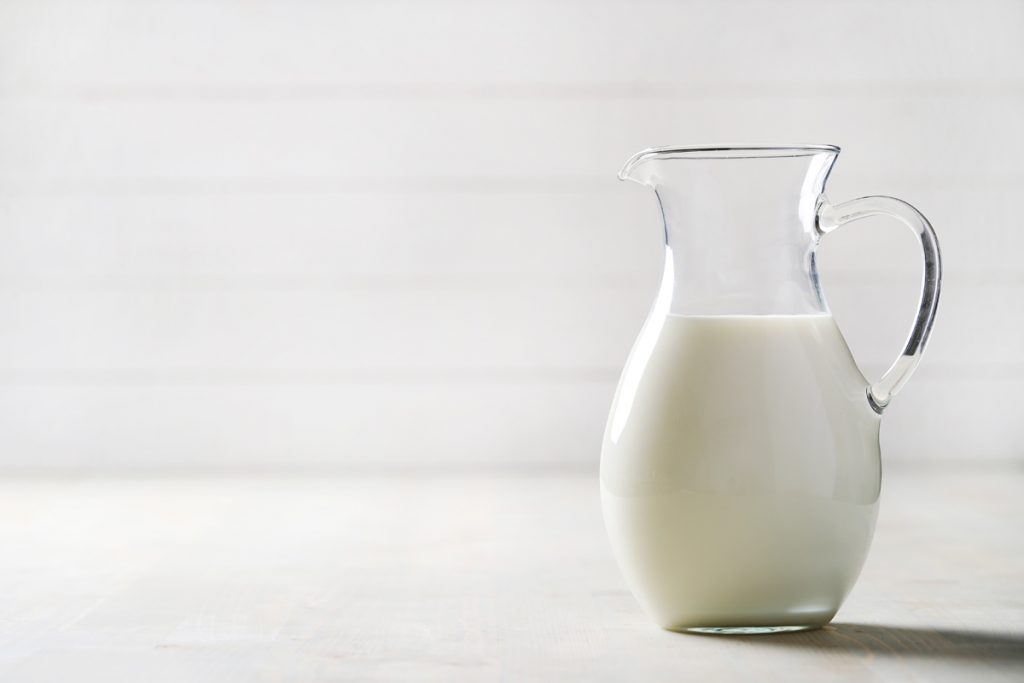
This group provides different energy depending on the type of milk. Sweetened milk should be avoided.
Fresh milk (240 cc) - 150 kilocalories
Low-fat milk (240 cc) - 120 kilocalories
Skim milk powder, 30 grams (about 4 tablespoons) - 90 kilocalories
Milk powder, 30 grams (about 4 tablespoons) - 150 kilocalories
source : Bangphai Hospital
**Translated and compiled by ArokaGO Content Team
Independent Writer
Share this article
More Articles
Discover more insights on health care and medical tourism.

Difference Between “General Massage” and “Anatomy & Wellness Massage”
Anatomy & Wellness Massage combines relaxation with an understanding of muscle structure and body balance. It helps relieve tension, muscle pain, and stiffness, restore movement, and address the root causes of discomfort. Suitable for people with Office Syndrome or chronic muscle pain.

Songkran Warning: How to Prevent and Handle “Shoe Suction” Injuries During Water Festival Celebrations
As Thailand celebrates Songkran, many festival-goers are enjoying water splashing in the streets, but one surprisingly common issue keeps returning every year, the so-called “shoe suction” problem, when wet slip-on sandals or rubber shoes become stuck tightly to the foot or ankle after prolonged exposure to water.

Office Syndrome: A Common Health Problem Among Modern Workers
In an era when working in front of a computer has become part of everyday life, Office Syndrome has emerged as one of the most common health concerns among working-age adults.