When Parents Say “No to Intubation”: Dignity and Quality of Life at the End of Life
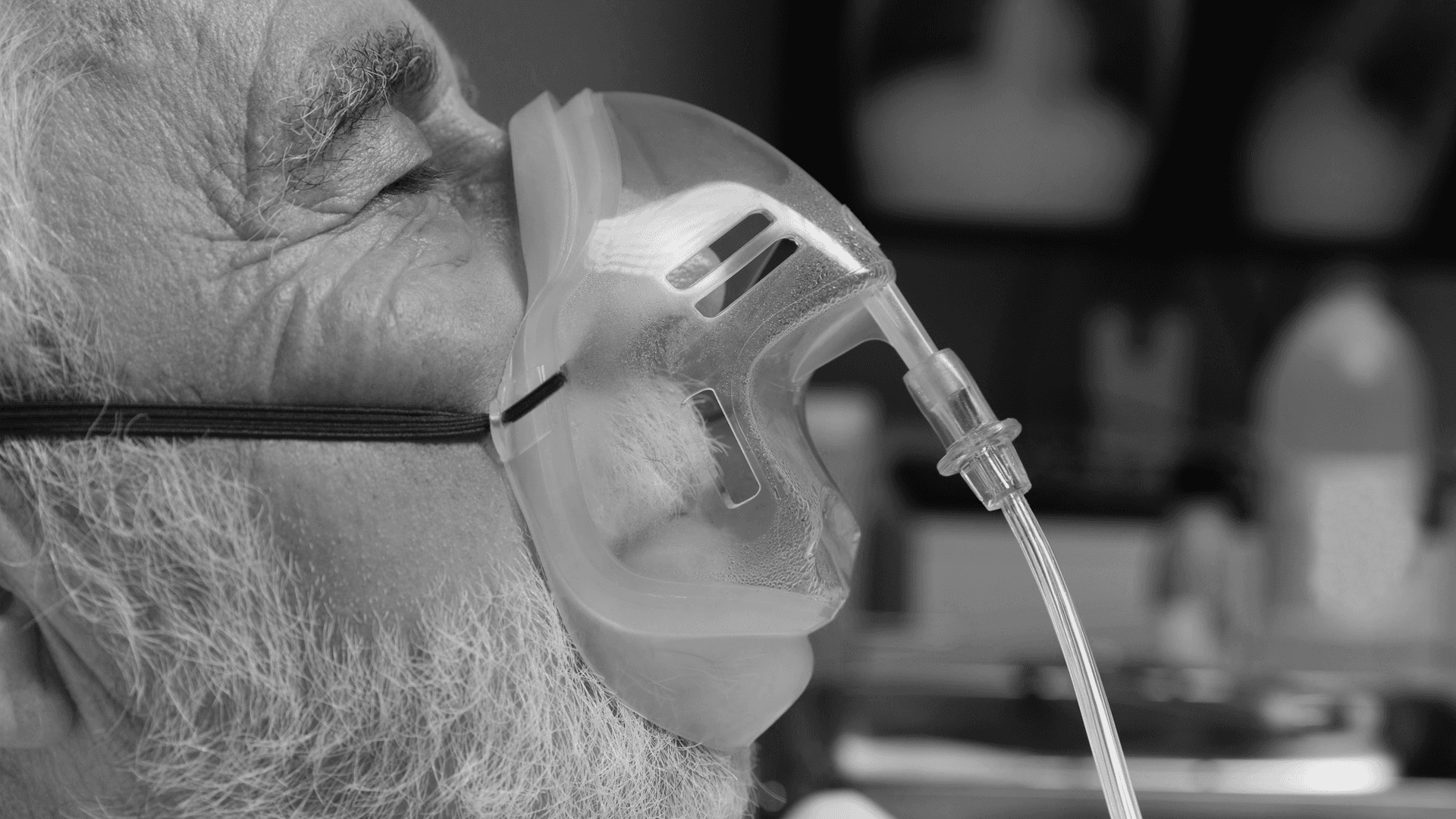
Many families face a difficult question in their loved one’s final moments:
“Doctor, if we don’t put in a breathing tube, does that mean mom won’t survive?”
The honest answer is yes — the chance of survival may be lower.
But the more important question is:
“In what condition does she want to survive?”
Modern medicine is no longer focused only on “prolonging life.” Instead, it emphasizes quality of life and, most importantly, respecting the patient’s wishes about how they want their final days to be.
Key Principles in End-of-Life Care
1. Respect the Patient’s Wishes
If patients can express their will while they are still conscious—whether verbally or through an advance directive—those wishes should be respected and followed.
2. Decisions Can Change
End-of-life choices are not permanent. If patients change their minds at any point, their new wishes should always be listened to with compassion, not just treated as a piece of paper.
3. Life-Prolonging Measures Are Not Always Beneficial
For elderly patients with severe illness, intubation may not restore health but instead bring more pain—such as a tracheostomy, being restrained in the ICU, or being unable to speak or embrace loved ones. Sometimes, we “sustain life” but fail to “sustain a life worth living.”
4. Weigh the Benefits and the Burdens
While intubation can extend life, it often comes at the cost of suffering. Medical decisions should balance both potential gains and harms, rather than focusing only on survival time.
5. Dignity and Peace Are Priceless
A peaceful passing without unnecessary intervention is not defeat—it is a choice to leave the world with dignity.
The Role of Doctors and Families
Doctors are not only responsible for treating disease but also for preserving the humanity of their patients. That means listening as much as speaking, and helping families understand that sometimes, doing nothing more may be the most loving act of care.
For families, if the opportunity arises, gently ask loved ones:
“If one day your body grows weaker… how would you like us to care for you?”
The answer may not be about doing everything possible—but about doing what truly matters to them.
The Essential Lesson
-
Good care does not always mean extending life at all costs.
-
Quality of life and dignity at the end are invaluable.
-
True love is honoring the choices of those we love.
The best care is not always about “doing everything,” but about “doing what they truly wish, with understanding and love.”
Source:
Chersery Home International
Share this article
More Articles
Discover more insights on health care and medical tourism.

“Monkeypox” Currently Spreading in Thailand: A Thai Traditional Medicine Perspective
In today’s world, where we continue to face the spread of emerging and re-emerging infectious diseases such as monkeypox, understanding diseases through multiple perspectives can help us respond more comprehensively. Although classical Thai traditional medical texts do not directly describe “viruses,” as this body of knowledge was developed before the scientific discovery of microorganisms, the symptoms and characteristics of this disease can still be meaningfully interpreted through ancient Thai medical theory.

Wellness Tourism in Thailand | Why Travelers Come for More Than a Holiday
When people think about Thailand, beaches, street food, temples, and vibrant city life usually come to mind. But in recent years, something has changed. More travelers are arriving with a different purpose — not only to explore, but to improve their wellbeing, reduce stress, undergo preventive health screening, or simply take better care of themselves.

Medical Tourism in Thailand: Where Getting Well Feels Like the Trip of a Lifetime
Imagine waking up in Bangkok, overlooking the Chao Phraya River as long-tail boats drift past your window. Hours later, you've completed a full health screening at a world-class hospital, reviewed your results, and are enjoying iced coffee by a rooftop pool before dinner at Asiatique.