Who is Hair Transplant Surgery Suitable For? Understand Clearly Before Deciding on Treatment

1.Individuals with thinning hair or baldness due to genetics
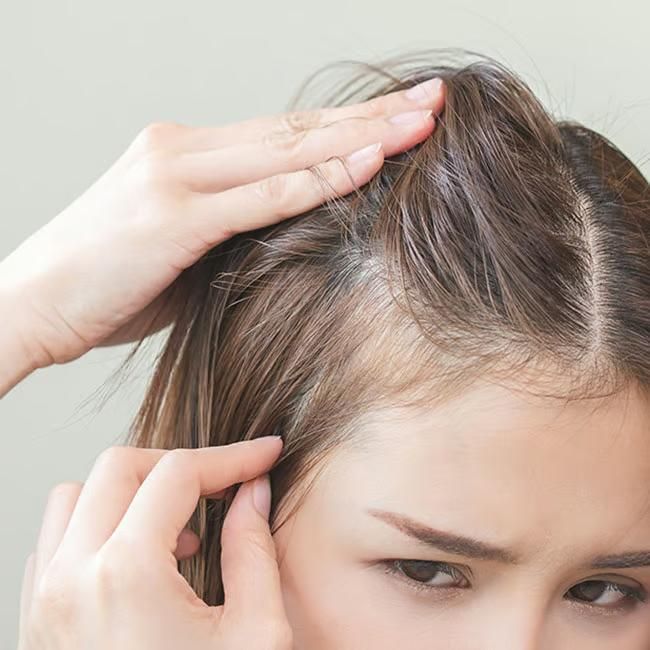
Hair loss caused by genetics (Androgenetic Alopecia) is the most common cause in men and can also occur in some women. Those who experience localized thinning, such as at the hairline or crown, typically respond well to hair transplantation.

2.Individuals with permanent hair loss
In cases where hair follicles are damaged and cannot be restored with medication or general treatments, such as chronic hair loss that does not respond to non-surgical methods.
3.Individuals with scars on the scalp
Hair transplantation can help conceal scars from accidents, surgeries, or injuries, making the skin in that area appear smoother and more even.
4.Individuals who want to improve facial proportions
The hairline plays an important role in facial balance. Hair transplantation can help reshape the hairline—for example, reducing a wide forehead or creating better facial symmetry.
5.Individuals in good health with sufficient donor hair
Since hair transplantation uses the patient’s own hair follicles, candidates must have a healthy donor area (typically the back of the scalp) and no medical conditions that would affect hair growth.
Source :
TRIA Medical Wellness Center
Share this article
More Articles
Discover more insights on health care and medical tourism.

Difference Between “General Massage” and “Anatomy & Wellness Massage”
Anatomy & Wellness Massage combines relaxation with an understanding of muscle structure and body balance. It helps relieve tension, muscle pain, and stiffness, restore movement, and address the root causes of discomfort. Suitable for people with Office Syndrome or chronic muscle pain.

Songkran Warning: How to Prevent and Handle “Shoe Suction” Injuries During Water Festival Celebrations
As Thailand celebrates Songkran, many festival-goers are enjoying water splashing in the streets, but one surprisingly common issue keeps returning every year, the so-called “shoe suction” problem, when wet slip-on sandals or rubber shoes become stuck tightly to the foot or ankle after prolonged exposure to water.

Office Syndrome: A Common Health Problem Among Modern Workers
In an era when working in front of a computer has become part of everyday life, Office Syndrome has emerged as one of the most common health concerns among working-age adults.