
Department of Cancer Pain Management
Complete service information and details
Description
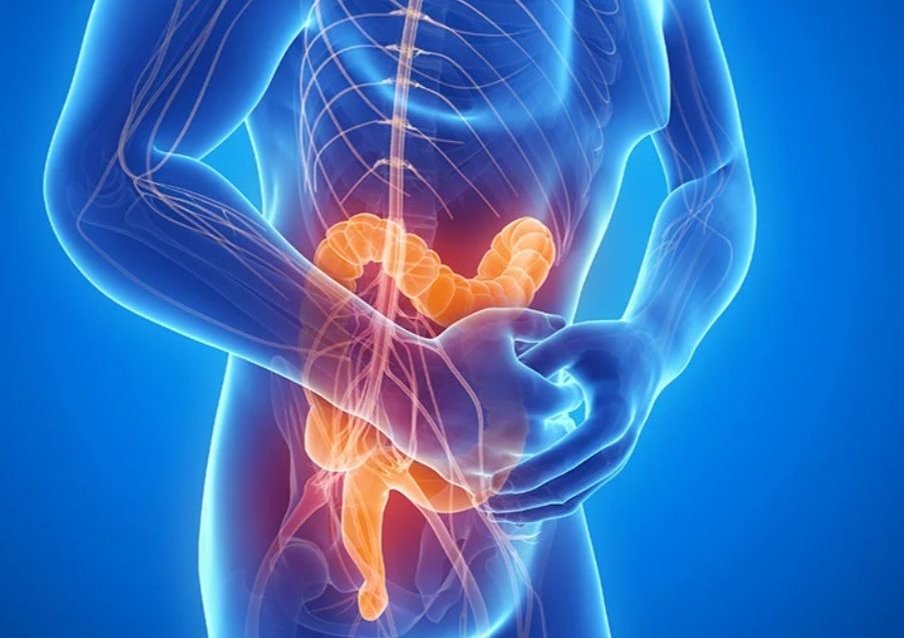
Pain is one of the most common and distressing symptoms experienced by patients with cancer. It can occur at any stage of the disease before diagnosis, during active treatment, and in the advanced or end-of-life stage. Cancer-related pain varies in intensity and significantly affects both physical and psychological well-being.
Effective pain management is therefore a core component of palliative care, with the primary goal of helping patients achieve the best possible quality of life, dignity, and comfort throughout their illness.
Causes of Pain in Cancer Patients
Cancer-related pain may arise from several major sources:
1. Pain Directly Caused by Cancer
-
Tumor growth compressing nearby organs or tissues
-
Cancer metastasis, especially bone metastases or nerve involvement
-
Inflammatory processes triggered by cancer cells
2. Pain Related to Diagnostic Procedures and Treatment
-
Diagnostic procedures: Pain following biopsies or invasive investigations
-
Treatment-related side effects:
-
Chemotherapy: Neuropathic pain, numbness, or tingling in hands and feet
-
Radiation therapy: Tissue inflammation leading to chronic pain
-
Surgery: Postoperative pain or nerve injury, commonly seen after lung or breast surgery
-
3. Pain Unrelated to Cancer
-
Coexisting conditions such as osteoarthritis, degenerative spine disease, or other chronic pain disorders
Total Pain Concept in Cancer Care
Cancer pain is best understood through the concept of “Total Pain”, which encompasses multiple dimensions:
1. Physical Impact
-
Sleep disturbance and chronic fatigue
-
Reduced ability to perform daily activities
-
Loss of appetite and weight loss
-
Reduced tolerance to chemotherapy or radiotherapy due to poor physical condition
2. Psychological Impact
-
Increased stress, anxiety, and depression
-
Feelings of hopelessness or loss of motivation to continue treatment
3. Family and Social Impact
-
Increased caregiver burden
-
Emotional stress within the family
-
Negative effects on relationships and overall family quality of life
4. Economic Impact
-
High medical and long-term care expenses
-
Loss of income due to inability to work for patients or caregivers
Cancer Pain Management Strategies
1. Pharmacological Management
Pain control follows the WHO Pain Ladder, which consists of three steps:
Step 1: Mild Pain
-
Paracetamol (Acetaminophen)
-
Non-steroidal anti-inflammatory drugs (NSAIDs) such as Ibuprofen and Naproxen
Step 2: Moderate Pain
-
Weak opioids such as Tramadol or Codeine
Step 3: Severe Pain
-
Strong opioids such as Morphine, Fentanyl patches, Oxycodone, or Methadone
Common side effects may include drowsiness, dizziness, nausea, vomiting, constipation, sweating, and fatigue. These symptoms often improve after the body adjusts to the medication.
Adjuvant Medications
Used to enhance pain control and address specific pain mechanisms:
-
Anticonvulsants: Gabapentin, Pregabalin, Mirogabalin for neuropathic pain
-
Antidepressants: Amitriptyline, Nortriptyline, Duloxetine for nerve pain and mood support
-
Corticosteroids: Reduce inflammation, swelling, and tumor-related compression
-
Bone-modifying agents: Bisphosphonates or Denosumab for patients with bone metastases
2. Non-Pharmacological Treatments
2.1 Interventional Pain Management
-
Nerve blocks: e.g., Celiac Plexus Neurolysis for abdominal and back pain in pancreatic cancer
-
Intrathecal Morphine Pump: Delivers medication directly into the spinal fluid for patients with uncontrolled pain
-
Cordotomy: Surgical interruption of pain pathways in the spinal cord
2.2 Physical Therapy
-
Gentle physical therapy and light exercise to maintain mobility and reduce stiffness
2.3 Psychological Care
-
Psychological therapy and Cognitive Behavioral Therapy (CBT)
-
Mindfulness and meditation practices to help patients cope with pain and emotional distress
2.4 Complementary and Alternative Medicine
-
Acupuncture
-
Herbal medicine, such as turmeric, as supportive care
Conclusion
Cancer-related pain is a complex and multifaceted condition that profoundly affects a patient’s quality of life. Effective pain management requires a holistic, multidisciplinary approach, combining pharmacological and non-pharmacological treatments tailored to each individual.
Through comprehensive pain care addressing physical, psychological, social, and spiritual dimensions, patients can live with greater comfort, dignity, and support throughout their cancer journey.
Our Services
We provide comprehensive cancer pain management services, including:
- Targeted pain medication therapy

- Alcohol neurolysis injections to relieve severe nerve-related pain
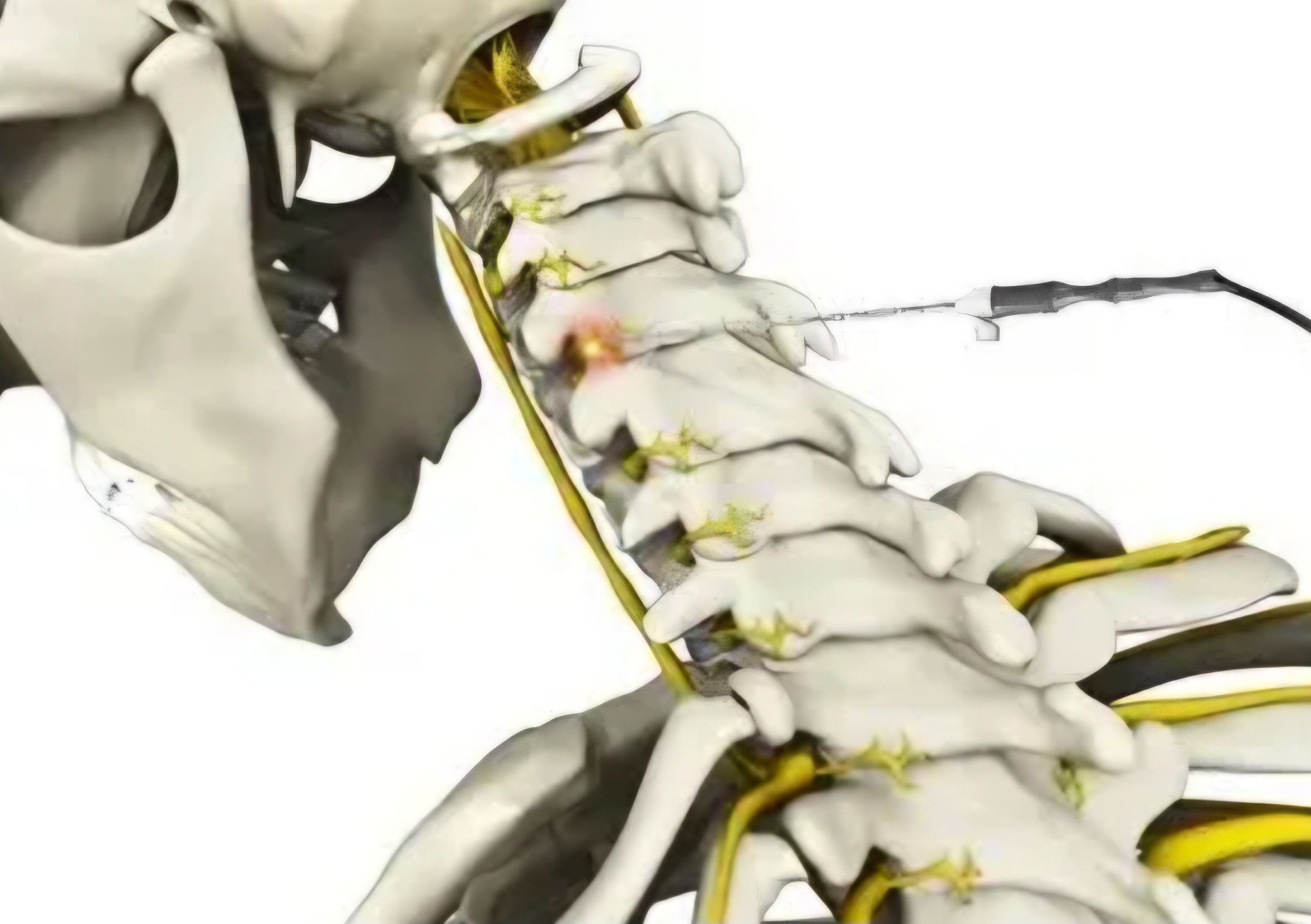
- High-frequency radiofrequency therapy targeting cervical spine and related nerve pain
Our mission is to deliver compassionate, evidence-based, and personalized pain care for patients living with cancer.
Overview
What's Included
- Initial Consultation
- Treatment Procedure
- Follow-up Care
- Medical Report
Pricing
Contact for pricing
Final price depends on your specific requirements
Tags
Contact Us
Reach out through any of these channels:
Provider Information

Sapiens Hospital
Bangkok, Thailand

Health Check-Up
Why Is an Annual Health Check-Up Important? Many people believe that if they feel healthy and have no symptoms, there is no need for an annual health

Physical Therapy for Muscle Tightness
Physical Therapy for Muscle Tightness, Frozen Shoulder, Radiating Numbness, and Office Syndrome Muscle tightness, frozen shoulder , back pain, radiati

Department of Sports Injury Treatment
Sports and exercise offer significant health benefits, but they also carry a risk of injury. Sports injuries may occur due to accidents, overuse, or i

Joint Pain Treatment
Joint pain affecting the shoulder, knee, and hip can arise from various causes. Each joint has distinct anatomy, usage patterns, and socket structures

Minimally Invasive Spine Treatment
Back, neck, and potentially shoulder pain are conditions occurring around the spine. These may stem from mild strains caused by musclesoften due to su

Department of Chronic Facial Pain Treatment
Chronic facial pain is a common condition with a wide range of possible causes. Understanding the underlying cause and selecting an appropriate treatm