
Department of Chronic Post-Surgical Pain Management
Complete service information and details
Description
Understanding Chronic Post-Surgical Pain (CPSP)
Chronic Post-Surgical Pain (CPSP), also known as Persistent Post-Surgical Pain, refers to pain that persists for more than 3 months after surgical wounds have healed. This condition can significantly impair quality of life, interfere with daily activities, and contribute to psychological distress such as anxiety and depression.
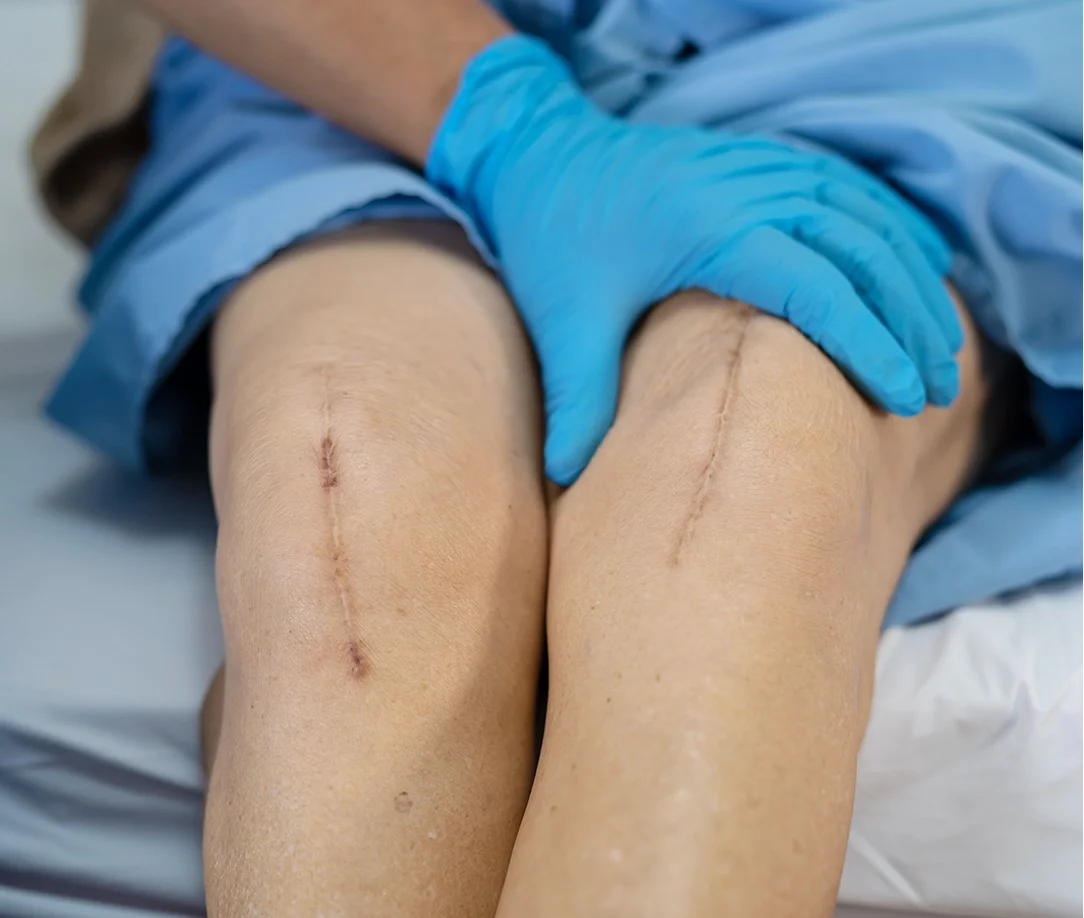
CPSP is most commonly observed after procedures such as:
-
Hernia repair
-
Thoracic surgery (e.g., lung surgery)
-
Breast surgery
-
Cesarean section or hysterectomy
-
Limb amputation (arm or leg)
The reported incidence ranges from 5–50%, depending on the type of surgery. CPSP is often associated with nerve injury, chronic inflammation or infection, and, in some cases, cancer involvement at the surgical site.
Incidence of Chronic Post-Surgical Pain
The prevalence of CPSP varies by surgical procedure. Reported rates from clinical studies include:
-
Amputation: 85%
-
Thoracic surgery: 71%
-
Breast surgery: 57%
-
Total knee replacement: 44%
-
Abdominal surgery: 21%
Causes of Chronic Post-Surgical Pain
CPSP is a multifactorial condition with both physical and psychological contributors, including:
-
Nerve injury during surgery
-
Chronic inflammation or infection at the surgical site
-
Central or peripheral sensitization, causing heightened pain perception
-
Psychological factors, such as stress, anxiety, or depression, which can amplify pain intensity
Risk Factors for Developing CPSP
A. Preoperative Factors
-
History of chronic pain prior to surgery
-
Depression or anxiety
-
Long-term opioid use before surgery
B. Intraoperative Factors
-
Intraoperative nerve damage
-
Severe acute postoperative pain
C. Postoperative Factors
-
Poor control of acute postoperative pain
-
Postoperative infection or complications
-
Inadequate rehabilitation or physical therapy
Treatment Options for Chronic Post-Surgical Pain
5.1 Pharmacological Management
Medications are selected based on pain mechanisms and patient response:
-
Non-steroidal Anti-Inflammatory Drugs (NSAIDs):
Ibuprofen, Naproxen, Etoricoxib, Celecoxib -
Anticonvulsants:
Gabapentin, Pregabalin, Mirogabalin (for neuropathic pain) -
Antidepressants:
Amitriptyline, Nortriptyline, Duloxetine -
Local Anesthetics:
Lidocaine patches -
Opioids (when necessary):
Morphine, Oxycodone (OxyContin), Fentanyl patch, Methadone
5.2 Interventional and Advanced Medical Techniques
-
Local anesthetic and steroid injections targeting affected nerves
-
Peripheral Magnetic Stimulation (PMS): Non-invasive neuromodulation to reduce pain
-
Spinal Cord Stimulation (SCS): For patients with severe, refractory chronic pain
5.3 Physical Rehabilitation and Self-Care
-
Therapeutic exercises to improve flexibility and reduce muscle tension
-
Relaxation techniques such as meditation and yoga
-
Lifestyle modifications, including regular light exercise
Prevention Strategies for CPSP
-
Multimodal analgesia: Combining NSAIDs, gabapentinoids, and other agents to reduce opioid requirements
-
Perioperative nerve blocks to minimize acute postoperative pain
-
Psychological counseling to reduce preoperative anxiety and stress
Conclusion
Chronic Post-Surgical Pain (CPSP) is a common yet often under-recognized condition that can profoundly affect patients’ lives. Effective management requires an integrated, multidisciplinary approach, combining medication, interventional pain techniques, rehabilitation, and psychological support.
If you or a loved one experiences persistent pain after surgery, early consultation with a pain specialist is essential to identify the cause and develop a personalized treatment plan.
Our Services
We provide comprehensive care for chronic post-surgical pain, including:
- Targeted nerve injections
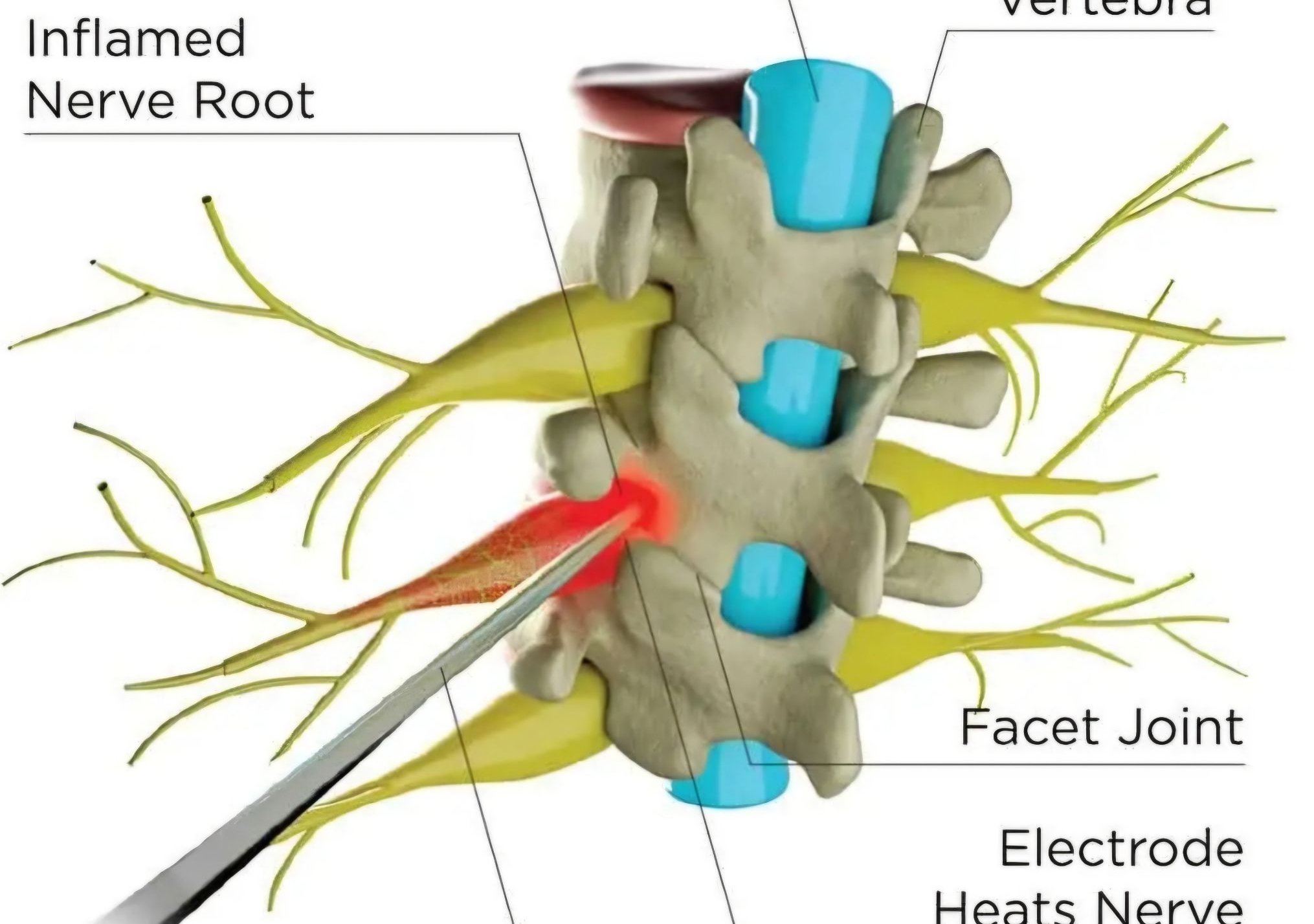
- Spinal Cord Stimulator (SCS) therapy
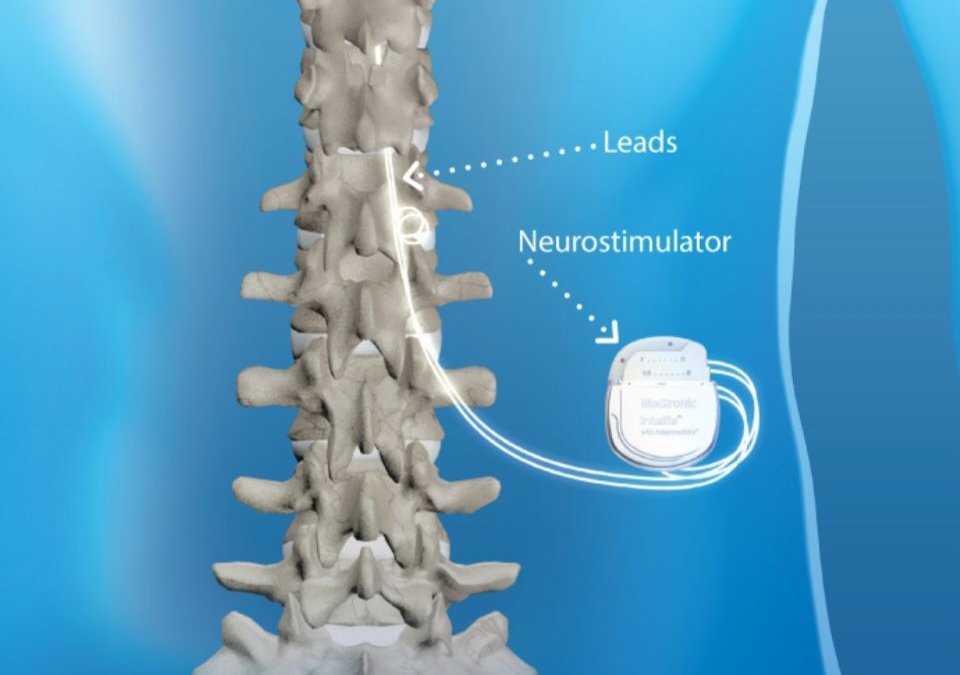
- Implantation of spinal electrical stimulation devices
Our goal is to restore comfort, function, and quality of life through precise, modern, and patient-centered pain management.
Overview
What's Included
- Initial Consultation
- Treatment Procedure
- Follow-up Care
- Medical Report
Pricing
Contact for pricing
Final price depends on your specific requirements
Tags
Contact Us
Reach out through any of these channels:
Provider Information

Sapiens Hospital
Bangkok, Thailand

Health Check-Up
Why Is an Annual Health Check-Up Important? Many people believe that if they feel healthy and have no symptoms, there is no need for an annual health

Physical Therapy for Muscle Tightness
Physical Therapy for Muscle Tightness, Frozen Shoulder, Radiating Numbness, and Office Syndrome Muscle tightness, frozen shoulder , back pain, radiati

Department of Sports Injury Treatment
Sports and exercise offer significant health benefits, but they also carry a risk of injury. Sports injuries may occur due to accidents, overuse, or i

Joint Pain Treatment
Joint pain affecting the shoulder, knee, and hip can arise from various causes. Each joint has distinct anatomy, usage patterns, and socket structures

Minimally Invasive Spine Treatment
Back, neck, and potentially shoulder pain are conditions occurring around the spine. These may stem from mild strains caused by musclesoften due to su

Department of Chronic Facial Pain Treatment
Chronic facial pain is a common condition with a wide range of possible causes. Understanding the underlying cause and selecting an appropriate treatm