
Joint Pain Treatment
Complete service information and details
Description
Joint pain affecting the shoulder, knee, and hip can arise from various causes. Each joint has distinct anatomy, usage patterns, and socket structures, which means the diagnosis and causes of pain differ between the shoulder and the knee.
- Shoulder joint pain most commonly results from sports-related injuries and age-related degeneration.
- Knee joint pain is most often caused by age-related osteoarthritis, while sports injuries typically involve fractures or ligament tears.
As we age, degeneration of synovial fluid and cartilage leads to increased friction between bones, causing pain and inflammation. Persistent inflammation may result in swelling or joint effusion (fluid accumulation). If left untreated, inflammation can worsen and, in rare cases, lead to infection.
Treatment Approach at Sapiens Hospital
Sapiens Hospital offers a comprehensive range of treatments, carefully selected by physicians to match each patient’s condition and disease stage. Options range from non-surgical therapies to advanced surgical procedures, including hip and knee replacement when pain becomes severe and significantly interferes with daily life.
Joint Pain Management Program
(Medical Article)
Knee and hip pain due to osteoarthritis is commonly seen in older adults and in individuals with risk factors such as obesity, prolonged heavy joint use, or chronic inflammatory joint diseases. Today, there are multiple treatment pathways—from non-surgical options like viscosupplementation injections, corticosteroids, PRP (Platelet-Rich Plasma), and stem cell therapy, to modern joint replacement surgery.
Additionally, pain intervention techniques such as Radiofrequency Ablation (RFA) can effectively relieve chronic pain. This article outlines these approaches in detail.
Treatment options compiled and reviewed by Dr. Nataya Udomsak are as follows:
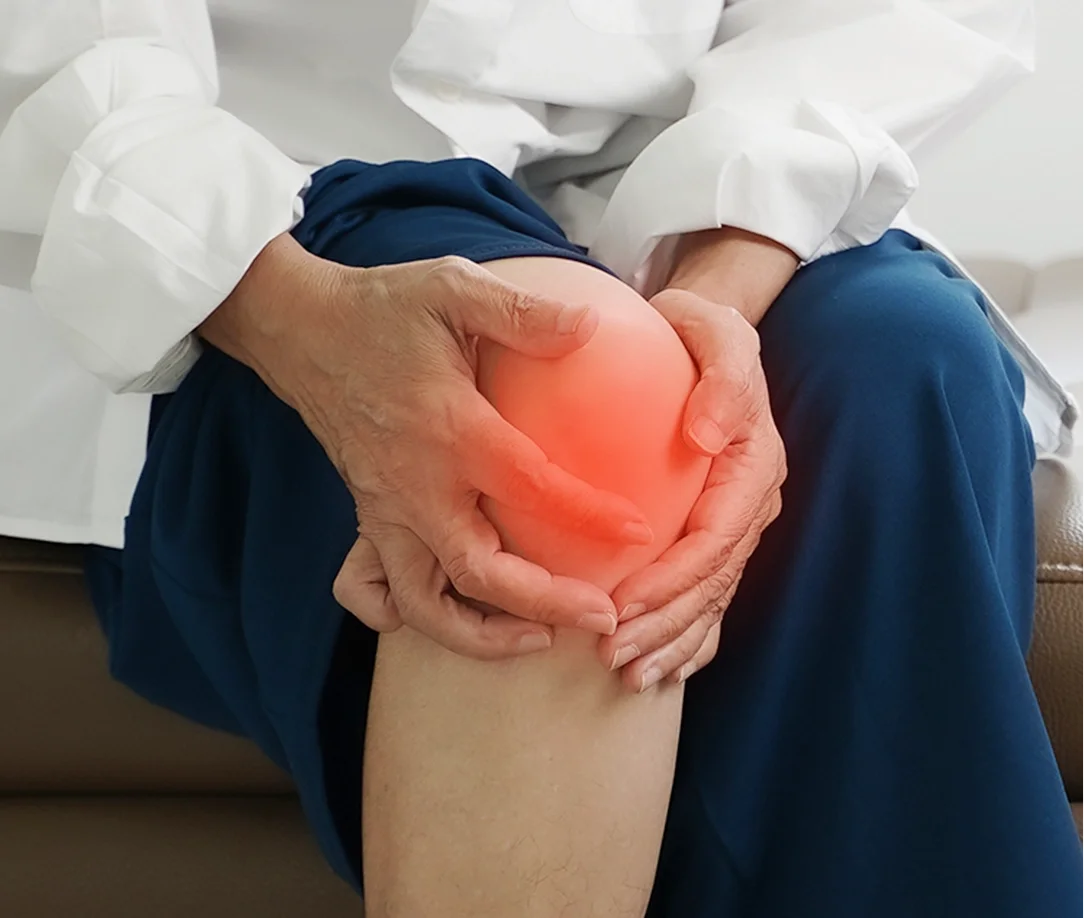
1. Injection Therapies for Pain Relief and Joint Restoration
1.1 Corticosteroid Injection
Mechanism: Corticosteroids are anti-inflammatory medications that reduce swelling and pain within the joint.
Advantages:
- Rapid pain relief
- Suitable for severe pain or acute knee inflammation
Limitations:
- Not recommended for long-term or repeated use, as it may accelerate cartilage degeneration
Duration of Effect:
- Approximately 2–3 months
1.2 Hyaluronic Acid Injection (Viscosupplementation)
Mechanism: Hyaluronic acid is a natural component of synovial fluid. Injection improves joint lubrication and reduces friction.
Advantages:
- Suitable for patients with mild to moderate pain
Limitations:
- May require multiple injections
- Higher cost
Duration of Effect:
- Approximately 6–12 months
2. Biologic (Cell-Based) Treatments
2.1 Platelet-Rich Plasma (PRP) Injection
Mechanism: PRP is derived from the patient’s own blood and contains concentrated platelets rich in growth factors that promote tissue repair.
Advantages:
- Reduces inflammation
- Stimulates cartilage repair
Limitations:
- Higher cost
- Variable results among individuals
Duration of Effect:
- Approximately 6–12 months
2.2 Stem Cell Therapy
Uses stem cells harvested from the patient’s bone marrow or adipose tissue to stimulate regeneration in degenerative joints.
Indications:
- Early to moderate osteoarthritis
- Patients wishing to avoid surgery
Advantages:
- Potential for cartilage regeneration
- Long-term pain reduction
Limitations & Considerations:
- Long-term outcomes are still under study
- High cost
- Effectiveness varies by individual and stem cell source
3. Joint Replacement Surgery
3.1 Total Knee Replacement (TKR)
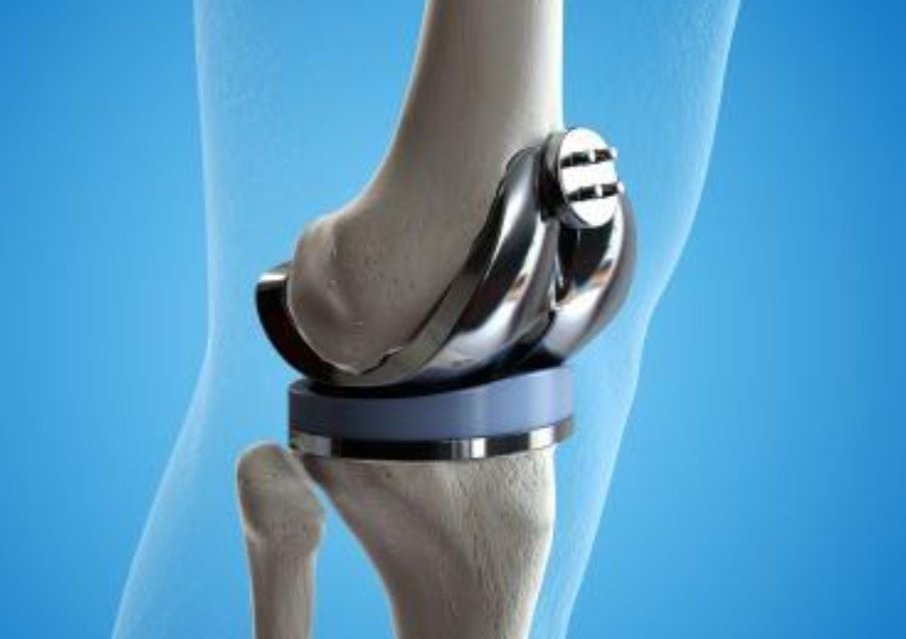
Principle: The damaged knee joint is removed and replaced with an artificial joint.
Advantages:
- Significant pain reduction
- Improved mobility and function
Limitations:
- Requires rehabilitation
- Potential complications such as infection
Implant Longevity:
- Approximately 15–20 years
3.2 Total Hip Replacement (THR)
Principle: The damaged hip joint is replaced with an artificial hip prosthesis.
Advantages:
- Effective pain relief
- Improved quality of life
Limitations:
- Risk of prosthetic dislocation
Implant Longevity:
- Approximately 20–25 years
4. Pain Intervention
4.1 Radiofrequency Ablation (RFA)
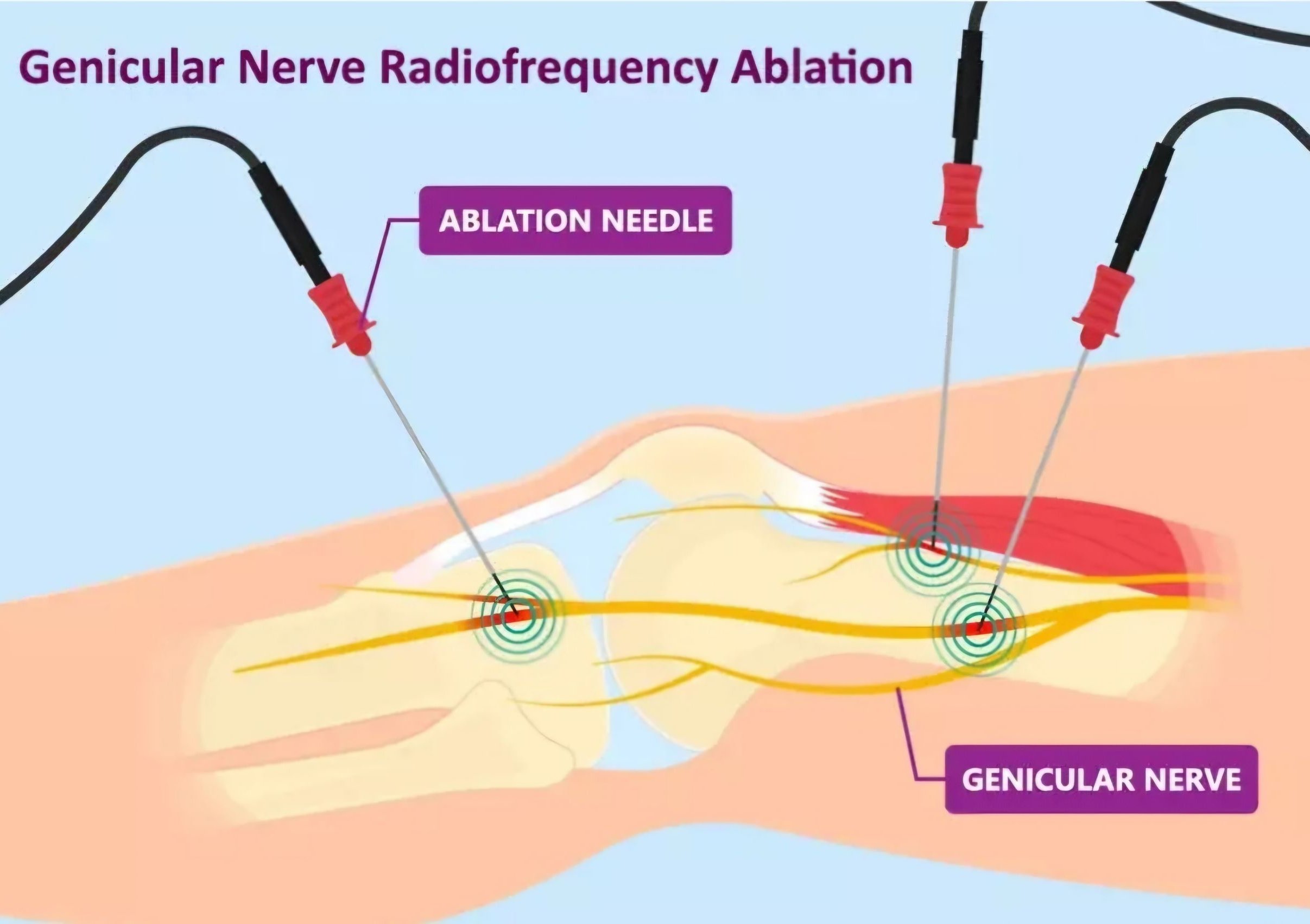
Mechanism: RFA is a minimally invasive, outpatient procedure that uses high-frequency radio waves to deactivate nerves responsible for transmitting pain signals.
Why Choose RFA:
- Short recovery time
- No surgical incision
- Performed under mild local anesthesia
- Patients can resume normal activities the next day
Advantages:
- Pain relief lasting 6–12 months
- No major surgery required
- Ideal for patients who are not candidates for joint replacement or wish to avoid complex surgery
- Suitable for younger patients concerned about future prosthesis wear
- Helpful for persistent pain after prior knee surgery
Limitations:
- Temporary numbness or weakness may occur but is usually transient
Duration of Effect:
- Significant pain reduction for 6–12 months
RFA has also been adapted to treat pain in other joints, including the hip and shoulder, making it an effective non-surgical option for chronic joint pain management.
Summary
Treatment of knee and hip osteoarthritis-related pain depends on disease severity and patient preference. Options range from injection therapies and interventional pain management to joint replacement surgery. Advances in medical technology have improved outcomes and shortened recovery times.
Patients should be evaluated by specialist physicians to determine the most appropriate, individualized treatment plan.
Our Services
Sapiens Hospital provides comprehensive joint pain care, including:
- Radiofrequency heat therapy (RFA) targeting nerves around the knee, shoulder, or hip
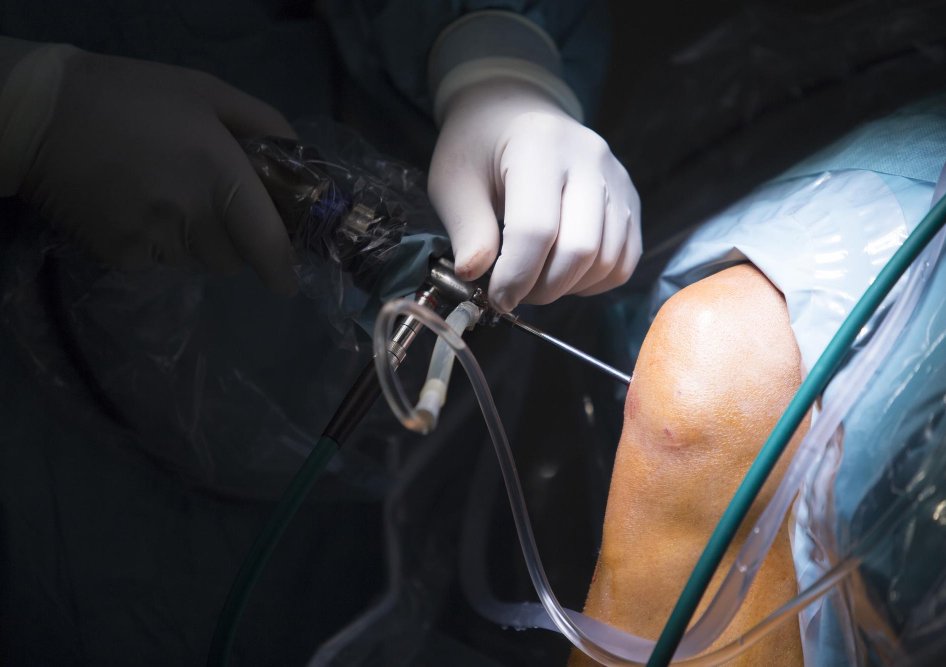
- Arthroscopic surgery for tendon and ligament repair
- Joint replacement surgery for the shoulder, hip, knee, and ankle
Sapiens Hospital is committed to restoring mobility, relieving pain, and improving quality of life through safe, modern, and patient-centered care.
Overview
What's Included
- Initial Consultation
- Treatment Procedure
- Follow-up Care
- Medical Report
Pricing
Contact for pricing
Final price depends on your specific requirements
Tags
Contact Us
Reach out through any of these channels:
Provider Information

Sapiens Hospital
Bangkok, Thailand

Health Check-Up
Why Is an Annual Health Check-Up Important? Many people believe that if they feel healthy and have no symptoms, there is no need for an annual health

Physical Therapy for Muscle Tightness
Physical Therapy for Muscle Tightness, Frozen Shoulder, Radiating Numbness, and Office Syndrome Muscle tightness, frozen shoulder , back pain, radiati

Department of Sports Injury Treatment
Sports and exercise offer significant health benefits, but they also carry a risk of injury. Sports injuries may occur due to accidents, overuse, or i

Minimally Invasive Spine Treatment
Back, neck, and potentially shoulder pain are conditions occurring around the spine. These may stem from mild strains caused by musclesoften due to su

Department of Chronic Facial Pain Treatment
Chronic facial pain is a common condition with a wide range of possible causes. Understanding the underlying cause and selecting an appropriate treatm

Department of Migraine and Chronic Headache Treatment
Migraine and chronic headache are conditions defined by headaches occurring more than 15 days per month for at least 3 consecutive months . These cond