
Minimally Invasive Spine Treatment
Complete service information and details
Description
Back, neck, and potentially shoulder pain are conditions occurring around the spine. These may stem from mild strains caused by musclesoften due to sudden twisting, sports, or prolonged sittingwhich can be treated with painkillers, muscle relaxants, or physical therapy.
However, did you know that many people suffer from chronic pain because it originates from spinal or cervical degeneration? This leads to compression between the vertebrae, causing them to rub against each other and impact various nerves (commonly known as a herniated disc or slipped disc). For this type of pain, medication and physical therapy will not provide a permanent cure; they only offer temporary relief.
- These symptoms frequently occur in people due to:
- Aging: (Loss of height is often a sign of spinal discs compressing).
- Poor Posture: Especially while sitting at work.
- Smartphone Addiction: Constant "text neck" positioning.
- Being Overweight.
- Lack of regular exercise.
Sapience Hospital offers non-surgical treatments using an innovative integrated approach. This involves using steroid injections, medical alcohol, or Radiofrequency Ablation (RF) to block the nerves and eliminate pain. This is combined with muscle strengthening through exercise or physical therapy. We have found this method to be highly effectiveeven for many elderly patients who have tried various other treatments without success but saw significant improvement at Sapience.
Medical Treatment for Back and Neck Pain: A Detailed Clinical Perspective
Axial back pain
1. Classification by Location
Pain is generally categorized into three anatomical regions:
- Upper Back Pain or Neck Pain: Involving the cervical and upper thoracic spine.
- Mid-Back Pain: Occurring in the thoracic region.
- Low Back Pain: Located in the lumbar or lumbosacral region (the most common area for clinical complaints).
2. Classification by Duration
- Acute Back Pain: Symptoms lasting less than 3 months, often related to tissue injury or sudden strain.
- Chronic Back Pain: Symptoms persisting for more than 3 months, often requiring a multidisciplinary treatment approach.
3. Primary Causes of Back and Neck Pain
Medical diagnosis categorizes the origin of pain into five distinct types:
1.Spondylogenic Back Pain: Pain arising from the spinal structures themselves, including vertebrae, intervertebral discs, ligaments, and facet joints.
2.Viscerogenic Back Pain: Referred pain originating from internal organs in the chest or abdomen, such as the esophagus, pancreas, kidneys, or uterus.
3.Vasculogenic Back Pain: Pain referred from major blood vessels. Crucial Note: Conditions like an Abdominal Aortic Aneurysm (AAA) or aortic dissection are medical emergencies requiring immediate surgery.
4.Neurogenic Back Pain: Originating from disorders of the nervous system, such as spinal cord tumors, nerve sheath tumors, or nerve inflammation (neuritis).
5.Psychogenic Back Pain: Physical pain where psychological, emotional, or behavioral factors play a role in causing, exacerbating, or maintaining the discomfort.
4. Specific Underlying Pathologies
Within the categories above, doctors look for specific sub-causes:
- Congenital Anomalies: Birth-related structural issues, such as Scoliosis (curvature of the spine).
- Trauma: Injuries from accidents, sports, labor, or chronic poor posture, as well as spinal fractures.
- Tumors/Malignancy: Suspected especially in patients with unexplained weight loss.
- Inflammatory & Infectious Diseases: Conditions like Ankylosing Spondylitis, Rheumatoid Arthritis, or infections of the bone (osteomyelitis) and discs (discitis).
- Degenerative Diseases: The most common cause in aging populations, including:
- Degenerative Disc Disease (DDD): Wear and tear of the discs.
- Herniated Nucleus Pulposus: Discs protruding and compressing nerves.
- Spinal Stenosis: Narrowing of the spinal canal.
- Osteoporosis: Weakening of the bone structure leading to compression fractures.
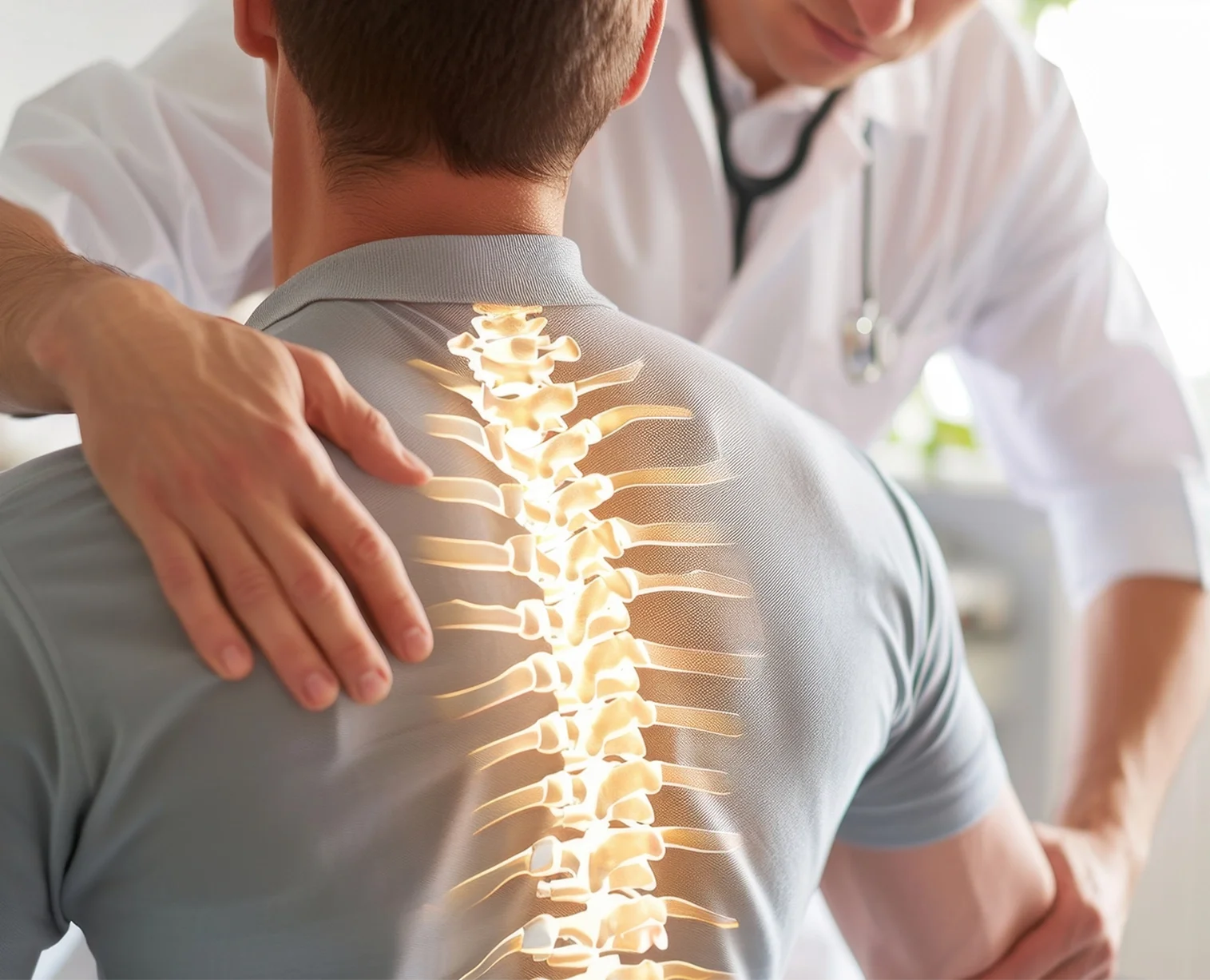
Acute vs. Chronic Spinal Pain: Mechanical Causes and Diagnosis
This section focuses on Mechanical Back Pain, which is pain triggered by movement, posture, or physical activities.
1. Acute Neck and Back Pain
Most acute cases are Spondylogenic (originating from the spine and muscles).
- Common Cause: Muscle strain is the most frequent cause.
- Prognosis: Symptoms typically improve within 46 weeks.
- Initial Treatment: Rest, cold/hot compression, oral medication, and physical therapy.
- Warning Signs (Sciatica): If pain radiates down the arms or legs, or is accompanied by numbness and weakness, it suggests nerve involvement. Immediate medical consultation is required to ensure recovery and prevent permanent nerve damage.
2. Chronic Neck Pain (Radiating to Shoulders or Head)
Often associated with prolonged activities such as office work, driving, or poor sleeping posture.
- Clinical Presentation: Neck stiffness and muscle spasms.
- Common Causes: Cervical Spondylosis (degeneration) and Cervical Facet Joint Pain.
- Note: This is particularly common in patients with Office Syndrome who do not respond to standard medication or physical therapy.
3. Chronic Back Pain (Radiating to Hips or Buttocks)
Triggered by long periods of sitting, bending, or arching the back.
Common Causes:
- Discogenic Back Pain: Degeneration of the intervertebral discs.
- Lumbar Facet Joint Pain: Wear and tear of the joints behind the spine.
- Sacroiliac (SI) Joint Pain: Inflammation or dysfunction of the joint connecting the spine and pelvis.
4. Medical Diagnosis and Screening
To pinpoint the exact source of pain, physicians utilize the following diagnostic tools:
- X-ray: To view bone alignment and major structural changes.
- CT Scan: To get detailed cross-sectional images of the bone structure.
- MRI Scan: The gold standard for viewing soft tissues, discs, and nerve compression.
- Electrodiagnosis (EMG): Electromyography is used to assess the health of muscles and the nerve cells (motor neurons) that control them.
- Blood Tests: Performed when the doctor suspects infection or systemic inflammatory spinal diseases (e.g., autoimmune conditions).
Medical Treatment Options for Spinal Pain
The management of back and neck pain follows a stepped approach, ranging from conservative care to interventional procedures and surgery.
1. Pharmacological Treatment (Medication)
Physicians prescribe medications based on the type of pain (inflammatory vs. neuropathic):
- Analgesics: Paracetamol (Acetaminophen).
- Non-Steroidal Anti-Inflammatory Drugs (NSAIDs): Such as Ibuprofen, Naproxen, Celecoxib, and Etoricoxib.
- Anticonvulsants (for Nerve Pain): Such as Gabapentin, Pregabalin, and Milogabalin.
- Antidepressants (for Chronic Pain Management): Such as Amitriptyline, Nortriptyline, and Duloxetine.
- Muscle Relaxants: Such as Norgesic and Mydocalm.
2. Physical Therapy (Rehabilitation)
Physical therapy aims to reduce pain and restore function through various modalities:
- Therapeutic Heat: Hot compression.
- Advanced Equipment: Ultrasound therapy, electrical stimulation, High-Power Laser Therapy, and Shockwave Therapy.
- Manual Therapy: Massage for pain reduction.
- Ergonomic Adjustment: Correcting the patients posture during daily neck and back usage.
3. Lifestyle Modification
Long-term recovery relies on lifestyle changes to reduce mechanical stress on the spine:
- Weight management to reduce load on joints.
- Cessation of smoking (smoking hinders disc healing).
- Avoiding heavy lifting.
- Core Stabilization Exercises: Strengthening the core muscles in the neck and back.
4. Spinal Interventions (Minimally Invasive Procedures)
When medication and physical therapy are insufficient, interventional procedures can target the pain source directly:
- Epidural Steroid Injections (ESI): Administered in the cervical (neck) or lumbar (low back) regions.
- Facet Joint Injections: Steroid injections into the joints behind the vertebrae in the neck or back.
- Radiofrequency Ablation (RFA): Using radio waves to block pain signals from the medial branch nerves that supply the facet joints (Cervical/Thoracic/Lumbar).
- Sacroiliac (SI) Joint Procedures: Including steroid injections or Cooled/Conventional Radiofrequency Neurotomy of the sacral lateral branches to treat pelvic/hip-related back pain.
5. Surgical Intervention
Surgery is considered the last resort for cases that do not respond to the conservative or interventional treatments mentioned above.
The Treatments
Epidural Steroid Injection
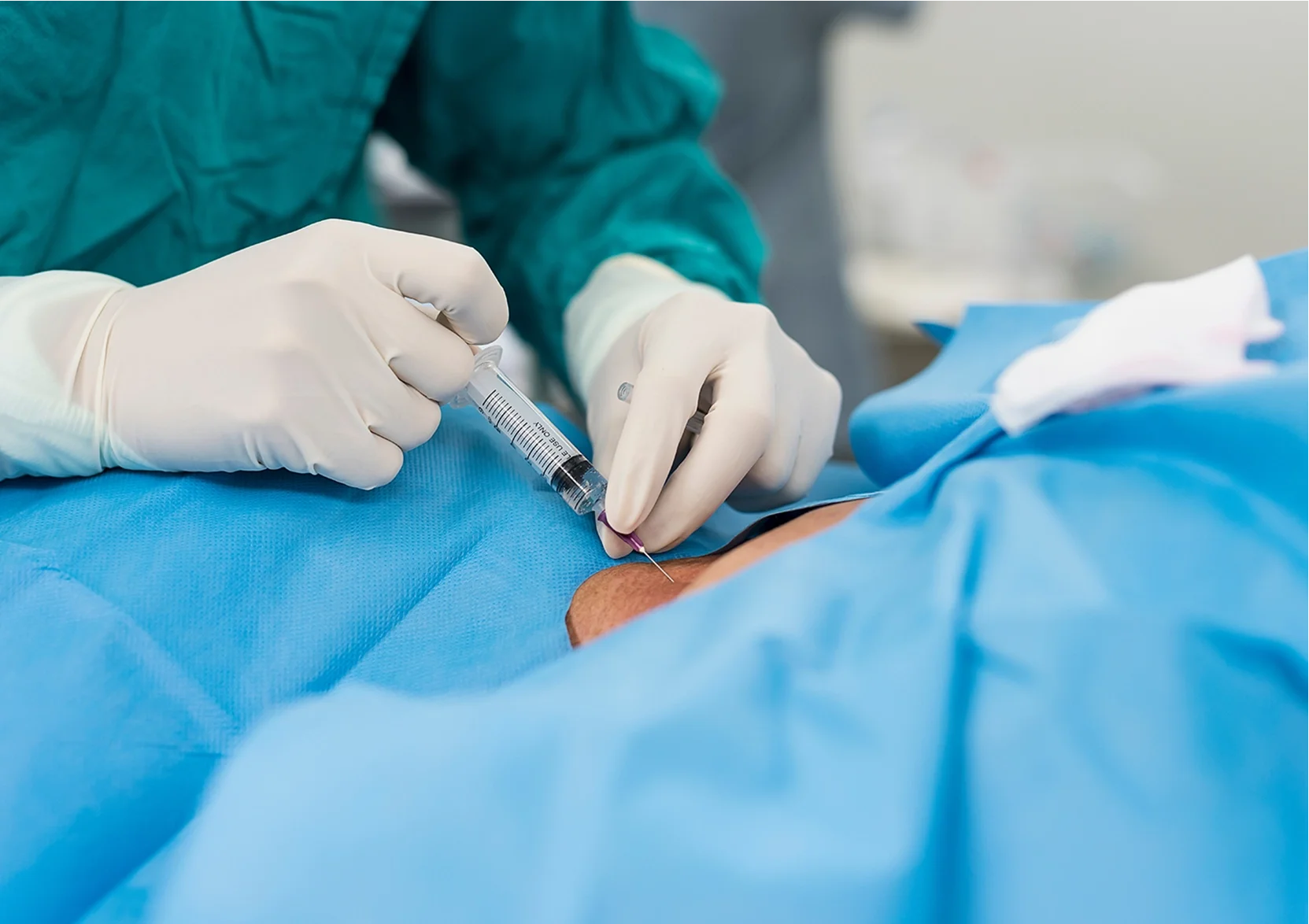
Radiofrequency Ablation
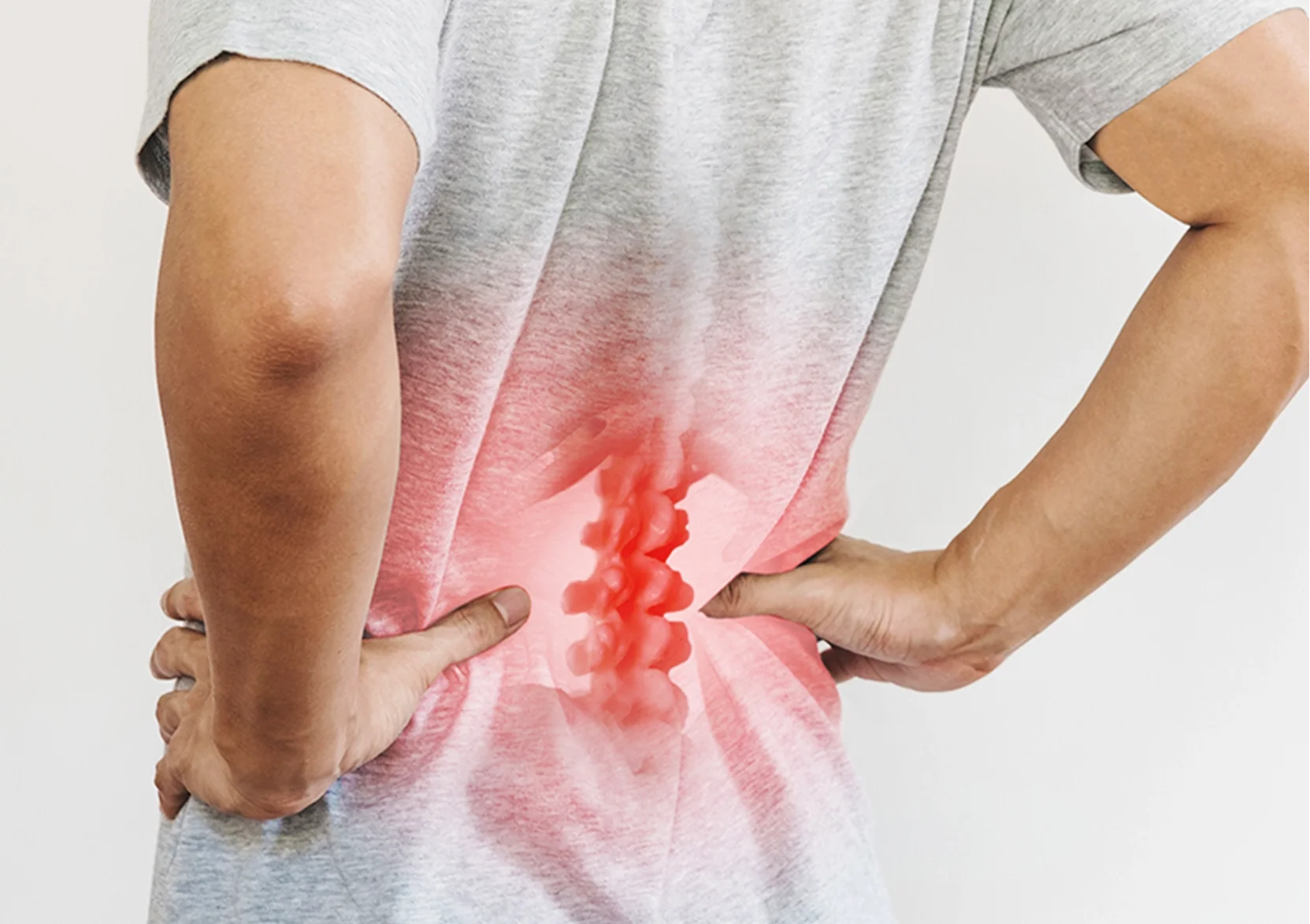
Spinal Cord Stimulator
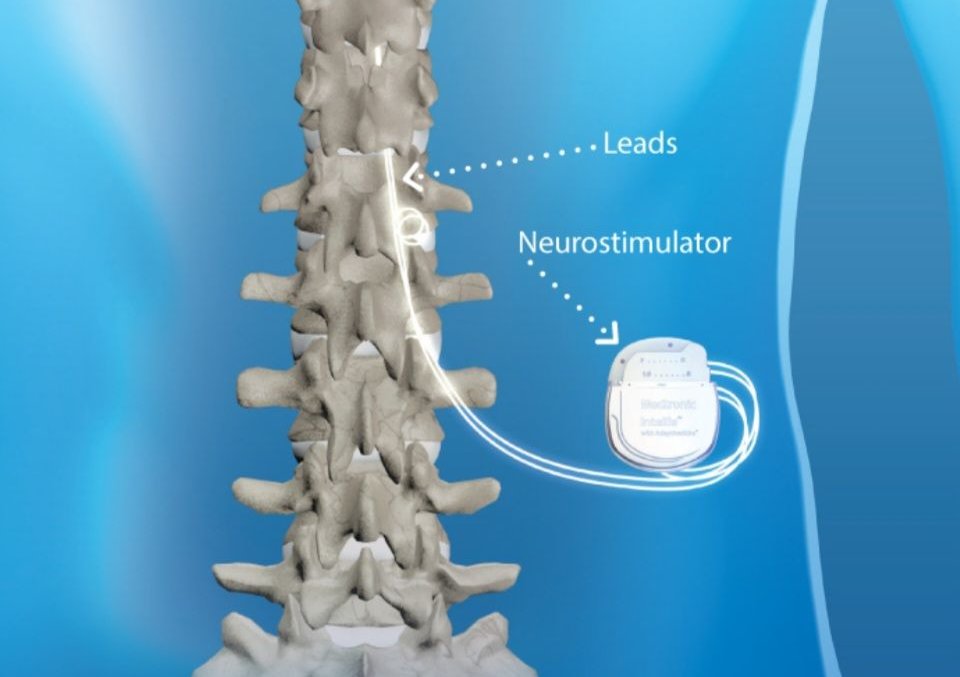
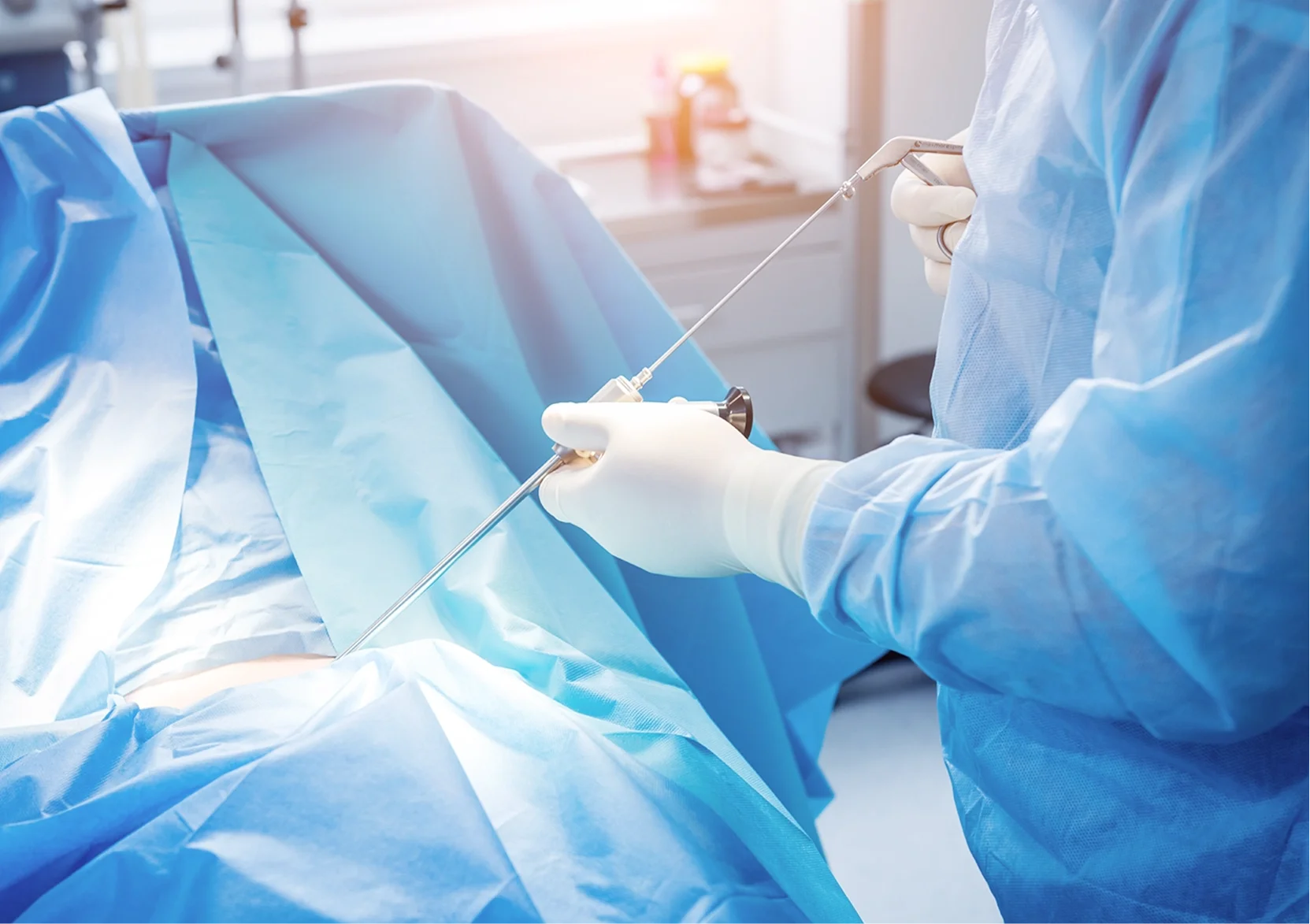
Endoscopic Spine Surgery
Overview
What's Included
- Initial Consultation
- Treatment Procedure
- Follow-up Care
- Medical Report
Pricing
Contact for pricing
Final price depends on your specific requirements
Tags
Contact Us
Reach out through any of these channels:
Provider Information

Sapiens Hospital
Bangkok, Thailand

Health Check-Up
Why Is an Annual Health Check-Up Important? Many people believe that if they feel healthy and have no symptoms, there is no need for an annual health

Physical Therapy for Muscle Tightness
Physical Therapy for Muscle Tightness, Frozen Shoulder, Radiating Numbness, and Office Syndrome Muscle tightness, frozen shoulder , back pain, radiati

Department of Sports Injury Treatment
Sports and exercise offer significant health benefits, but they also carry a risk of injury. Sports injuries may occur due to accidents, overuse, or i

Joint Pain Treatment
Joint pain affecting the shoulder, knee, and hip can arise from various causes. Each joint has distinct anatomy, usage patterns, and socket structures

Department of Chronic Facial Pain Treatment
Chronic facial pain is a common condition with a wide range of possible causes. Understanding the underlying cause and selecting an appropriate treatm

Department of Migraine and Chronic Headache Treatment
Migraine and chronic headache are conditions defined by headaches occurring more than 15 days per month for at least 3 consecutive months . These cond