¿Para quién es adecuada la cirugía de trasplante capilar? Entienda claramente antes de decidir el tratamiento

1. Personas con adelgazamiento capilar o calvicie debido a genética
La pérdida de cabello causada por genética (Alopecia Androgenética) es la causa más común en hombres y también puede ocurrir en algunas mujeres. Aquellos que presentan adelgazamiento localizado, como en la línea de implantación capilar o en la coronilla, típicamente responden bien al trasplante capilar.

2. Personas con pérdida de cabello permanente
En casos donde los folículos pilosos están dañados y no pueden ser restaurados con medicación o tratamientos generales, como la pérdida crónica de cabello que no responde a métodos no quirúrgicos.
3. Personas con cicatrices en el cuero cabelludo
El trasplante capilar puede ayudar a disimular cicatrices derivadas de accidentes, cirugías o lesiones, haciendo que la piel en esa área luzca más uniforme y lisa.
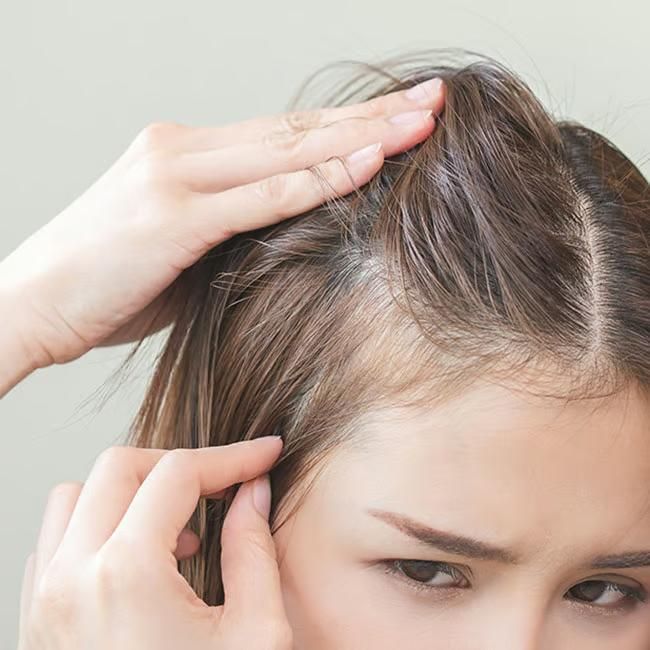
4. Personas que desean mejorar las proporciones faciales
La línea de implantación capilar juega un papel importante en el equilibrio facial. El trasplante capilar puede ayudar a remodelar la línea de implantación—por ejemplo, reduciendo una frente ancha o creando una mejor simetría facial.
5. Personas en buen estado de salud con suficiente cabello donante
Dado que el trasplante capilar utiliza los propios folículos pilosos del paciente, los candidatos deben contar con una zona donante sana (típicamente la parte posterior del cuero cabelludo) y no presentar condiciones médicas que afecten el crecimiento capilar.
Fuente:
TRIA Medical Wellness Center
Compartir este artículo
Más Artículos
Descubra más perspectivas sobre atención médica y turismo médico.

Diferencia entre “Masaje General” y “Masaje de Anatomía y Bienestar”
El masaje de Anatomía y Bienestar combina relajación con un entendimiento de la estructura muscular y el equilibrio corporal. Ayuda a aliviar la tensión, el dolor muscular y la rigidez, a restaurar el movimiento y a abordar las causas principales del malestar. Apto para personas con síndrome de oficina o dolor muscular crónico.

Advertencia de Songkran: Cómo prevenir y manejar las lesiones por "succión de zapato" durante las celebraciones del Festival de Agua
Mientras Tailandia celebra el Songkran, muchos asistentes a la festival disfrutan del rocío de agua en las calles, pero un problema sorprendentemente frecuente vuelve cada año, la llamada "succión del zapato", cuando sandalias o zapatos de goma mojados se pegan firmemente al pie o al tobillo después de una exposición prolongada al agua.

Síndrome de Oficina: Un Problema de Salud Común entre los Trabajadores Modernos
En una era en la que trabajar frente a una computadora se ha convertido en parte de la vida cotidiana, el Síndrome de Oficina ha surgido como una de las preocupaciones de salud más comunes entre los adultos en edad laboral.