À qui s'adresse la chirurgie de greffe de cheveux ? Comprenez bien avant de décider du traitement

1. Personnes présentant une perte ou un amincissement des cheveux due à la génétique
La perte de cheveux causée par la génétique (alopécie androgénétique) est la cause la plus fréquente chez les hommes et peut également survenir chez certaines femmes. Ceux qui présentent un amincissement localisé, comme au niveau de la ligne frontale ou du vertex, répondent généralement bien à la transplantation capillaire.

2. Personnes présentant une perte de cheveux permanente
Dans les cas où les follicules pileux sont endommagés et ne peuvent pas être restaurés par la médication ou les traitements généraux, comme lors d'une perte de cheveux chronique ne répondant pas aux méthodes non chirurgicales.
3. Personnes présentant des cicatrices sur le cuir chevelu
La transplantation capillaire peut aider à dissimuler les cicatrices résultant d'accidents, de chirurgies ou de blessures, rendant la peau à cet endroit plus lisse et plus homogène.
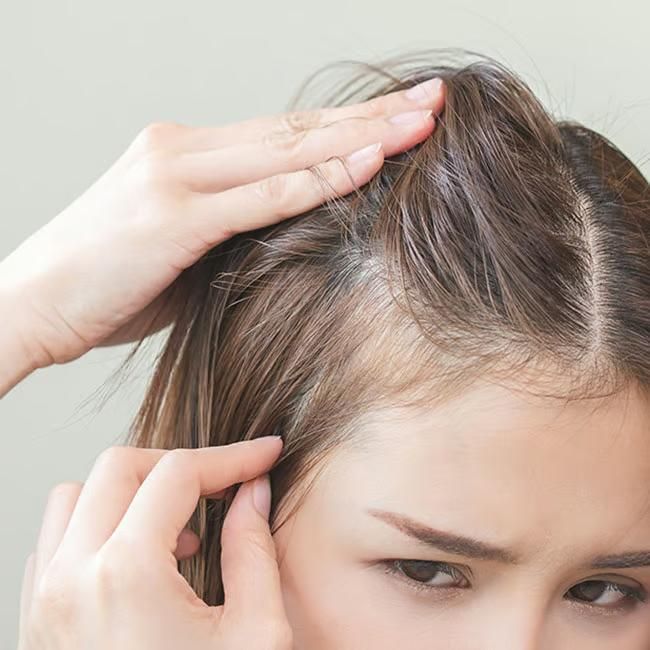
4. Personnes souhaitant améliorer les proportions du visage
La ligne frontale joue un rôle important dans l'équilibre du visage. La transplantation capillaire peut aider à remodeler la ligne frontale—par exemple, en réduisant un front large ou en créant une meilleure symétrie faciale.
5. Personnes en bonne santé avec une zone donneuse suffisante
Étant donné que la transplantation capillaire utilise les propres follicules pileux du patient, les candidats doivent avoir une zone donneuse saine (généralement à l'arrière du cuir chevelu) et ne pas présenter de conditions médicales susceptibles d'affecter la croissance des cheveux.
Source :
Centre de bien-être médical TRIA
TRIA Medical Wellness Center
Partager cet article
Plus d'articles
Découvrez plus d'informations sur les soins de santé et le tourisme médical.

Différence entre « Massage Général » et « Massage Anatomie & Bien-être »
Le massage Anatomie & Bien-être combine relaxation et compréhension de la structure musculaire et de l'équilibre du corps. Il aide à soulager la tension, la douleur musculaire et la raideur, à restaurer les mouvements, et à traiter les causes profondes des inconforts. Convient aux personnes souffrant du syndrome du bureau ou de douleurs musculaires chroniques.

Avertissement de Songkran : Comment prévenir et gérer les blessures par « suction de chaussure » lors des célébrations du Festival de l'eau
Alors que la Thaïlande célèbre Songkran, de nombreux festivaliers profitent de l'arrosage dans les rues, mais un problème étonnamment fréquent revient chaque année : le problème dit de « l'aspiration de la chaussure », lorsque des sandales ou des chaussures en caoutchouc mouillées deviennent fermement collées au pied ou à la cheville après une exposition prolongée à l'eau.

Syndrome du Bureau : Un problème de santé courant chez les travailleurs modernes
À une époque où travailler devant un ordinateur est devenu une partie intégrante de la vie quotidienne, le syndrome de bureau est apparu comme l'un des problèmes de santé les plus courants chez les adultes en âge de travailler.