ArokaGO
  • コミュニティ

会社情報

ArokaGO

あなたの信頼できる医療ツーリズムプラットフォーム。タイの世界クラスの医療提供者とつながる。

Apple StoreGoogle Play
FacebookInstagramYouTubeTikTokLinkedInRahu

患者様向け

  • ダッシュボード
  • 医療機関を検索
  • ログイン
  • 患者として登録
  • 予約する

医療機関様向け

  • ダッシュボード
  • 予約
  • チャット
  • ログイン
  • 医療機関として登録

お問い合わせ

  • バンコク、タイ
  • +66 65 829 4562
  • contact@arokago.com

法的情報

  • 免責事項
  • プライバシーポリシー
  • レビューポリシー
  • 広告掲載

© 2026 ArokaGO。全著作権所有。

  1. 記事
  2. 知識
  3. Is cycling really effective in treating osteoarthritis of the knee? Discover the techniques for strengthening your knees through cycling without surgery.

Is cycling really effective in treating osteoarthritis of the knee? Discover the techniques for strengthening your knees through cycling without surgery.

KKloss Wellness Clinicon February 24, 20266分で読む
Is cycling really effective in treating osteoarthritis of the knee? Discover the techniques for strengthening your knees through cycling without surgery.

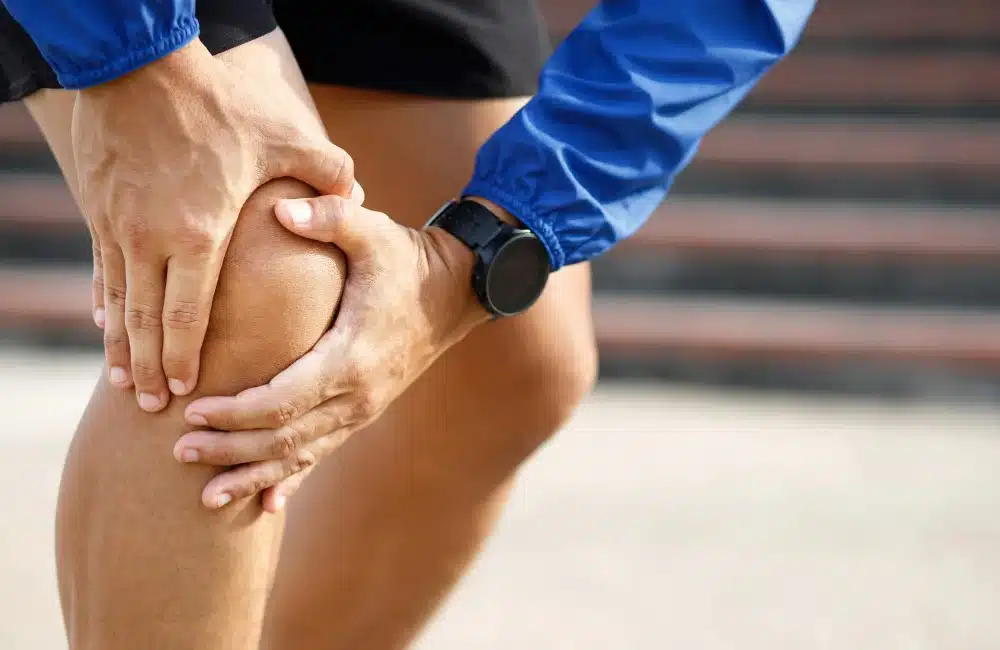
For those experiencing knee pain or suffering from osteoarthritis, physical movement can often be daunting. Many choose to stop moving for fear of further knee damage, but in reality, inactivity leads to muscle atrophy and knee stiffness. One of the most commonly recommended methods by doctors and physical therapists worldwide is cycling to treat osteoarthritis. But the question is, how can one cycle effectively for rehabilitation without worsening the joint condition? This article provides the answer.


Why is cycling a good option for people with knee pain and osteoarthritis? 


Cycling is not just a cardio workout; it's also a natural remedy for joints, for three main reasons:  

1. Reduce impact (Low Impact): The key to preserving articular cartilage. 
Cycling reduces the weight pressing down on the knees, unlike running or aerobics, where most of the weight is transferred to the saddle. This means that worn cartilage doesn't have to directly absorb the impact during movement.  

2. Promotes lubrication within the joints and smooth movement. 
The continuous, consistent circular movement of the knee joint while cycling stimulates the production and circulation of synovial fluid, which promotes smooth movement, reduces stiffness, and improves the delivery of nutrients to the articular cartilage.  

3. Strengthen the muscles around the knee to act as a natural "protective shield." 
In addition to eating a diet that nourishes the knees , another key aspect of cycling for managing knee osteoarthritis is strengthening the quadriceps muscles and the muscles surrounding the knee joint. When these muscles are stable, they act like shock absorbers, supporting the joint and significantly reducing the stress on bones and ligaments. 


Addressing the question, "Does cycling worsen knee degeneration?" What behaviors should you be wary of? 


There's a misconception that cycling worsens knee degeneration. In reality, degeneration is more often caused by incorrect cycling techniques, such as using gears that are too heavy, requiring excessive force, or having an unbalanced posture on the bicycle. These factors put pressure on the kneecap and surrounding tendons, leading to inflammation. Therefore, if cycled correctly and at an appropriate intensity, it can significantly slow down knee degeneration. 


Bicycle setup techniques and preparation before " cycling for knee osteoarthritis treatment ". 


Before you start cycling, preparation is crucial. An improper bike setup can unknowingly put extra pressure on your knees. That's why we've compiled some bike setup tips for you: 


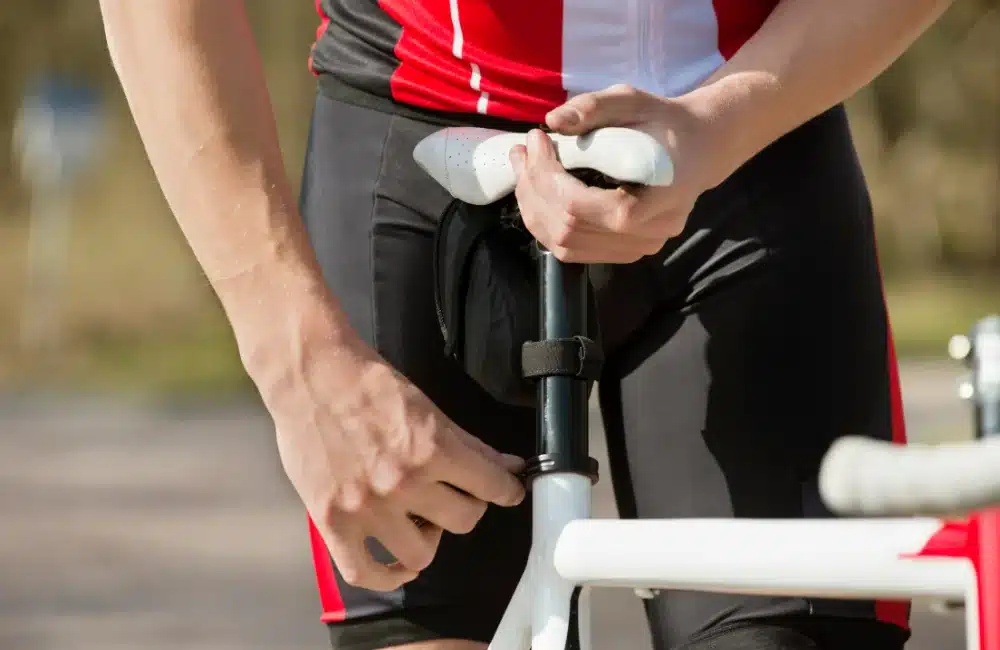
1. Adjusting the saddle height and distance correctly reduces pressure on the patella.
A saddle that's too low will cause your knees to bend excessively and increase pressure on your kneecaps. A saddle that's too high will cause your knees to be stiff and lead to pain in the hamstrings. The correct level is when your foot is at its lowest point on the pedal; your knee should be slightly bent, about 25-30 degrees, and should not be too stiff or too loose. 

2. How to choose the right viscosity and gear for beginners. 
For those starting out with cycling to manage knee osteoarthritis, begin with low resistance or a light gear and focus on maintaining a consistent cadence. Cycling in a heavy gear may seem like a lot of exercise, but it can damage the joints in the long run. Cycle until you feel moderately tired, but not experiencing pain or discomfort in your joints.   

3. Warm-up and stretching the lower body muscles before and after cycling. 
Before starting to cycle, you should do some leg shakes or cycle at a very low speed for about 5-10 minutes to warm up the joint fluid. After finishing your ride, don't forget to stretch your thigh and calf muscles to reduce muscle tension that may be pulling on your knees. 

Checklist of features of a suitable bicycle for the elderly or those with knee problems. 
If you're looking for a bicycle to improve your knee health, consider the following checklist. 

   - Step-through Frame: A bicycle frame without a high bar, making it easy to step on and off and reducing the risk of falling.
   - Upright Riding Position: The handlebars are at a height that allows you to sit upright, reducing the strain on your back and neck by minimizing the need to bend over.
   - Wide Saddle: A wide and soft saddle to support the sacrum and allow for longer periods of sitting.  
If pain doesn't improve, strengthen your joint with a knee osteoarthritis treatment program at KLOSS Wellness Clinic. 
While exercise like cycling can help reduce symptoms and slow down knee degeneration to some extent, for those with significant knee wear and tear or chronic pain, a single approach may not be sufficient. At KLOSS Wellness Clinic, we offer a holistic knee rehabilitation approach, starting with physical therapy using equipment to support movement and reduce stress on the knee, combined with medical treatments such as joint lubricant injections or platelet-rich plasma (PRP) to support the body's recovery process. This is coupled with appropriate muscle training around the knee, enabling patients to regain improved mobility and confidence in their daily lives. 


Article Summary 


Cycling can help treat osteoarthritis of the knee . However , proper bike setup and consistent riding are essential. Knee pain will gradually subside, and the need to delay surgery can last for decades. Don't let pain keep you trapped. Start moving correctly today for stronger knees tomorrow.   

Cycling is a suitable exercise option for people with knee osteoarthritis. If the bicycle is properly adjusted, the resistance is appropriate, and consistent use is achieved, it can help reduce pain, strengthen the muscles around the knee, and improve daily mobility. 

However, if self-care efforts persist and knee pain or stiffness persist, seeking expert advice can help determine the most suitable treatment plan for your individual knee condition. At Kloss Clinic, a center for osteoarthritis treatment using cell therapy, we focus on holistic health, both internal and external, emphasizing treatments that are drug-free and non-surgical. Our experienced doctors and state-of-the-art equipment provide expert consultation, making us a trusted option for this patient group. 


Frequently Asked Questions (FAQ)


How long should you cycle per day to see results  from treating osteoarthritis of the knee ?
In the beginning, it's recommended to cycle for only 15-20 minutes a day, 3-5 days a week. As your muscles get stronger, gradually increase to 30-45 minutes.  

If you experience pain or discomfort in your knee while cycling, should you stop or continue? 
If you experience sharp, stabbing pain while cycling, stop immediately and check your saddle height. If the pain persists after adjustment, consult a doctor or physical therapist, as it may indicate inflammation of the bursa or tendon under the patella.  

Is a stationary exercise bike (for home use) better than a regular bicycle? 
For beginners or seniors, a home exercise bike is safer because you don't have to worry about balance, uneven surfaces, or sudden braking. This allows you to focus entirely on knee movement and leg rotation. 


Source :  Kloss Wellness Clinic

K
Kloss Wellness Clinic

Kloss Wellness Clinic

この記事を共有

このページ
  • Why is cycling a good option for people with knee pain and osteoarthritis?
  • Addressing the question, "Does cycling worsen knee degeneration?" What behaviors should you be wary of?
  • Bicycle setup techniques and preparation before " cycling for knee osteoarthritis treatment ".
  • Article Summary
  • Frequently Asked Questions (FAQ)

この記事を共有

K
Kloss Wellness Clinic

Kloss Wellness Clinic

その他の記事

医療とメディカルツーリズムに関するさらなる洞察を発見してください。

骨粗しょう症におけるビタミンKの重要性
Feb 5, 2026•知識

骨粗しょう症におけるビタミンKの重要性

骨粗鬆症は、糖尿病、高血圧症、高脂血症と並ぶ主要な公衆衛生の問題です。長年にわたり、特に高齢者の間でタイ国民の健康と生活の質に深刻な脅威をもたらしています。骨粗鬆症を有する高齢者の多くは、警告症状や初期症状を全く感じないため、診断が遅れ、早期治療を受けることができません。その結果、これらの方々は手首、脊椎、股関節、上腕などさまざまな部位で脆弱性骨折を起こす高いリスクにさらされています。

テニス肘:アスリートだけに影響するわけではない肘の痛み
Feb 5, 2026•病気と治療

テニス肘:アスリートだけに影響するわけではない肘の痛み

テニス肘は医学的には外側上顆炎(Lateral Epicondylitis)として知られており、肘の外側にある腱の炎症性疾患です。これは、長期間にわたる腕、手首、または肘の反復使用、たとえばコンピューターでのタイピング、スマートフォンの使用、重い物の持ち上げ、あるいは日常的な家事作業などによって引き起こされます。

タイの私立病院一覧
Jan 31, 2026•知識

タイの私立病院一覧

タイは、国際水準の医療サービス、先進的な医療技術、高度な経験を持つ医師陣により、アジア有数の民間医療の目的地として広く認識されています。タイの私立病院は、現地住民だけでなく、複雑な外科手術、健康診断、ウェルネス、医療ツーリズムなどの分野で、特に海外からの患者にも対応しています。