Immunological Barriers to Conception: The Role of NK Cells in Preconception Preparedness

In today’s fast paced society, characterized by chronic stress and environmental pollutants, urban dwellers face more than just a demanding lifestyle. These factors also impact modern families desiring children, leading to increased rates of infertility. Despite utilizing scientific advancements such as sex selection or assisted reproductive technologies (ART) to overcome economic and temporal constraints many still experience embryonic loss or miscarriage. This occurs even among individuals who appear healthy and have prepared meticulously, because the body possesses internal mechanisms that can trigger pregnancy loss.
It is widely accepted that pre-pregnancy preparation typically involves standard blood panels and physical examinations. However, one critical factor often overlooked is the assessment of Natural Killer (NK) cells specifically their quantity and quality. Why is this test necessary? What insights does it provide? And what steps should be taken if abnormalities are detected to mitigate the risk of miscarriage?
The Evolution of NK Cell Research
Research into NK cell levels dates back to 1999, led by Professor Yamamoto and colleagues at the Teikyo University School of Medicine in Tokyo, Japan. Generally, miscarriage is a natural mechanism to prevent embryos with chromosomal abnormalities from further development. However, “erroneous” miscarriages occur when healthy embryos are lost, or conversely, when abnormal embryos continue to grow.
Professor Yamamoto investigated the relationship between chromosomal status and white blood cells the primary cells involved in pregnancy loss. Specifically focusing on NK cells, which were previously identified as vital to pregnancy, the study utilized flow cytometry to quantify CD56+ NK cells in the bloodstream. The findings revealed that CD56+ NK cell levels in miscarriages of normal embryos differed significantly from those of abnormal embryos. This suggests that the proportion of NK cells directly influences the mother’s ability to maintain a healthy pregnancy.
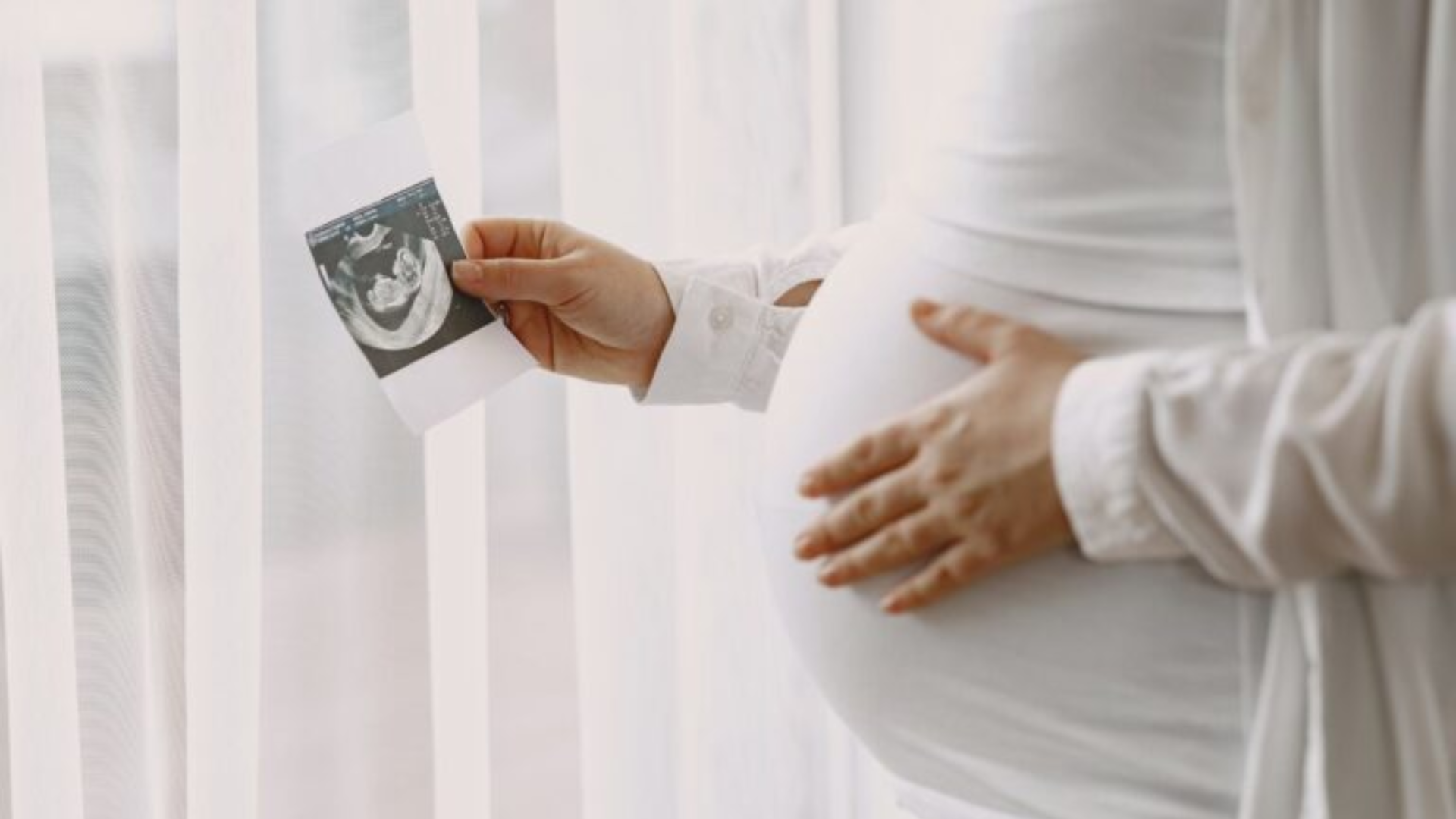
Mechanisms of Embryonic Rejection
In 2016, Professor Marigoula Varla-Leftherioti published “Natural Killer (NK) Cell Receptors and their Role in Pregnancy and Abortion” in the Journal of Immunobiology. The study identified that specific NK cells (dNK CD3-CD56brightCD16dim/-) significantly impact the first trimester. Further investigation into the mechanisms of miscarriage found that KIR Receptors on NK cells and T lymphocytes cause NK cells to attack the trophoblast (the tissue that provides moisture and develops into the placenta). This results in lysis, leading to embryonic detachment and subsequent miscarriage.
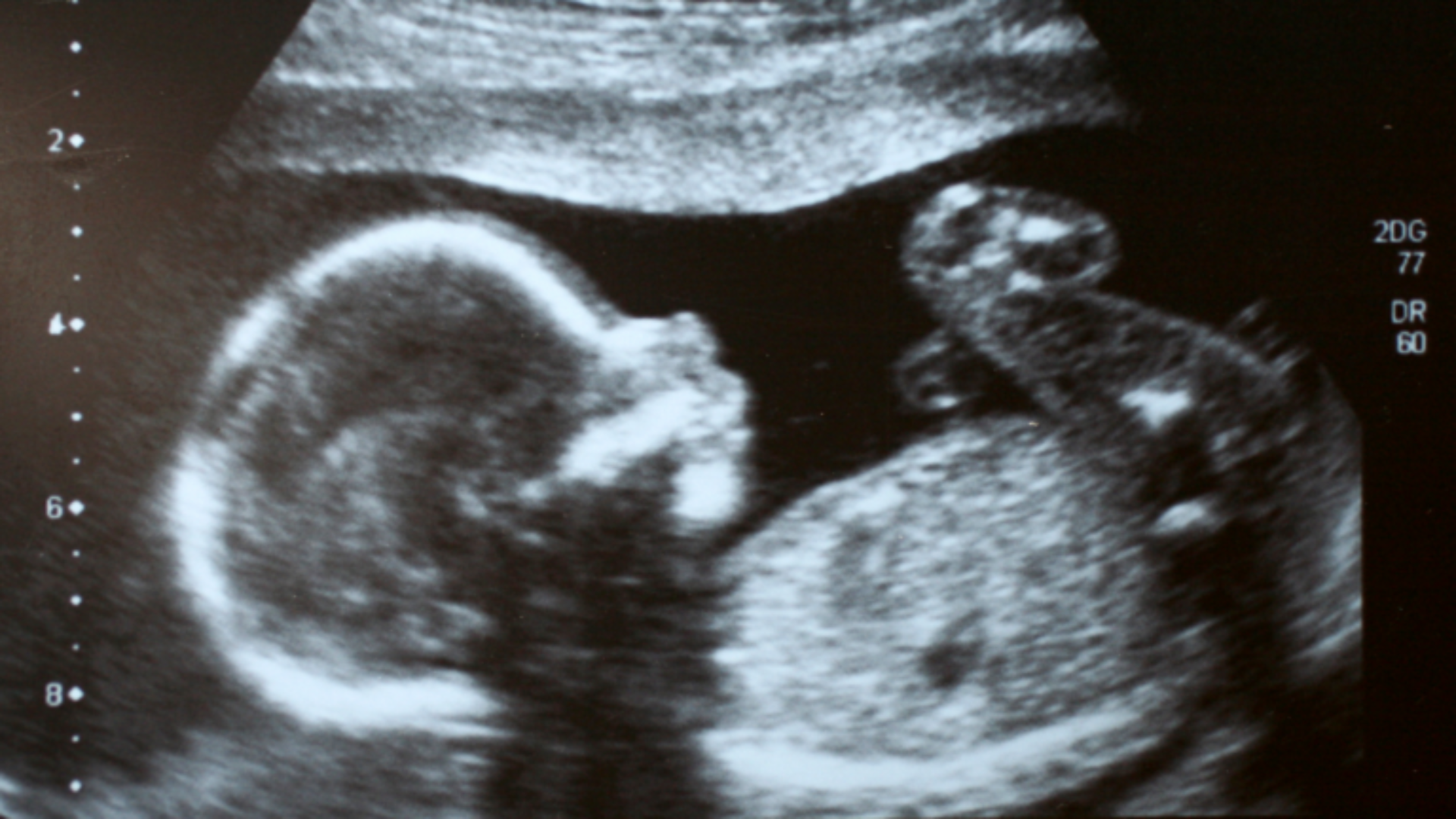
Establishing Clinical Cut-off Values
While the link between NK cells and miscarriage was established, a definitive “cut-off” value remained elusive until 2018. Professor Hajar Adib Rad conducted a study on 80 pregnant women in Iran a region where miscarriage is a prevalent health issue. The research concluded that NK cell levels ≥3.4% (p < 0.015) significantly increase the risk of miscarriage.
In 2020, Professor Yu-Han Meng and colleagues researched recurrent pregnancy loss during reproductive years, discovering that up to 70% of the cells in the uterine lining are NK cells. This underscored the necessity of finding ways to regulate or balance NK cell quantity and functional health.
Advances in Cell Therapy and Immunotherapy
Today, we are increasingly familiar with Cell Therapy and immunotherapy as novel alternatives for conditions previously deemed untreatable from bone marrow transplants for thalassemia to leukemia treatments. As of 2022, countries including the USA, Japan, Korea, China, and various European nations have rapidly advanced the use of cell-based therapies for clinical treatment and wellness. For those preparing for pregnancy or facing high risk miscarriages, specialized options are now emerging.
In 2020, Professor Carolyn B. Coulam and her team at Rosalind Franklin University of Medicine and Science, USA, utilized immunotherapy via intravenous intralipid administration. Although some previous studies showed inconsistent results, Professor Coulam identified that correct intravenous administration can successfully inhibit the role of NK cells in triggering miscarriage.
Comprehensive Risk Assessment
Professor Coulam noted that miscarriage results from multiple factors, including maternal conditions (uterine health, hormonal balance, immunity, and blood clotting) and embryonic viability. Intravenous intralipid therapy is specifically indicated for cases involving Cytotoxic NK cells and pro-inflammatory cytokines.
By comparing cytotoxic NK cell levels in both uterine tissue and peripheral blood across pregnant and non-pregnant groups, her research found that women with successful, ongoing pregnancies had lower NK cell concentrations than those who experienced miscarriages.
Conclusion
Intralipid treatment can enhance pregnancy success rates in both natural conception and In Vitro Fertilization (IVF) by improving embryo implantation and reducing NK cell-mediated miscarriage. However, it is important to note that this therapy does not address miscarriages caused by other factors, such as hormonal imbalances, anatomical limitations, blood clotting disorders, or chromosomal defects.
Therefore, before conceiving or undergoing embryo transfer, assessing the quantity and quality of NK cells is a vital step in reducing the risk of pregnancy loss.
Reference :
WincellResearch Blog Immunological Barriers to Conception: The Role of NK Cells in Pre-conception Preparedness
ArokaGO Providers WincellResearch
WincellResearch
ဤဆောင်းပါးကို မျှဝေပါ
ဆောင်းပါး ထပ်မံကြည့်ရှုပါ
ကျန်းမာရေး စောင့်ရှောက်မှုနှင့် ဆေးဘက်ဆိုင်ရာ ခရီးသွားလာမှု ဆိုင်ရာ ထိုးထွင်းသိမြင်မှုများ ပိုမို ရှာဖွေတွေ့ရှိပါ။

What Are Veneers?
Veneers are a type of dental coating made in the form of thin shells that are attached to the front surface of the teeth. In general, veneers are placed on the front 8 teeth, depending on which teeth are visible when each patient smiles.

If you have PCOS, does that mean you’ll get more eggs during egg freezing?
Women with Polycystic Ovary Syndrome (PCOS) often have more small ovarian follicles visible on ultrasound. That’s because hormone imbalances disrupt ovulation, causing immature eggs to remain in the ovaries. These follicles may respond well to stimulation medication so yes, you may retrieve a higher number of eggs during egg freezing.

Panda eyes may not always be caused by lack of sleep. What are the best ways to treat dark under eye circles?
Dark under eye circles can make the face look tired, dull, and less refreshed, affecting one’s confidence when going out to meet people. Many people may believe that dark circles around the eyes are caused by staying up late, lack of sleep, or an irregular sleep schedule. However, even after trying to adjust their sleeping habits to be more appropriate, the problem of dark under eye circles may still show no sign of improvement. This may be because these concerns are not always caused by lack of sleep alone. What causes dark under eye circles? How can they be treated? This article from THE KLINIQUE has the answers.