
Bangkok Child Protection Model Gains Momentum as Nearly One Million Youth Face Violence Risks
Bangkok, Thailand A collaborative child protection initiative led by the Thai Health Promotion Foundation, the Bangkok Metropolitan Administration, and the YIY Foundation is gaining recognition for strengthening support systems for vulnerable children, as new data highlights the scale of violence affecting youth in the capital.
Bangkok, Thailand A collaborative child protection initiative led by the Thai Health Promotion Foundation, the Bangkok Metropolitan Administration, and the YIY Foundation is gaining recognition for strengthening support systems for vulnerable children, as new data highlights the scale of violence affecting youth in the capital.
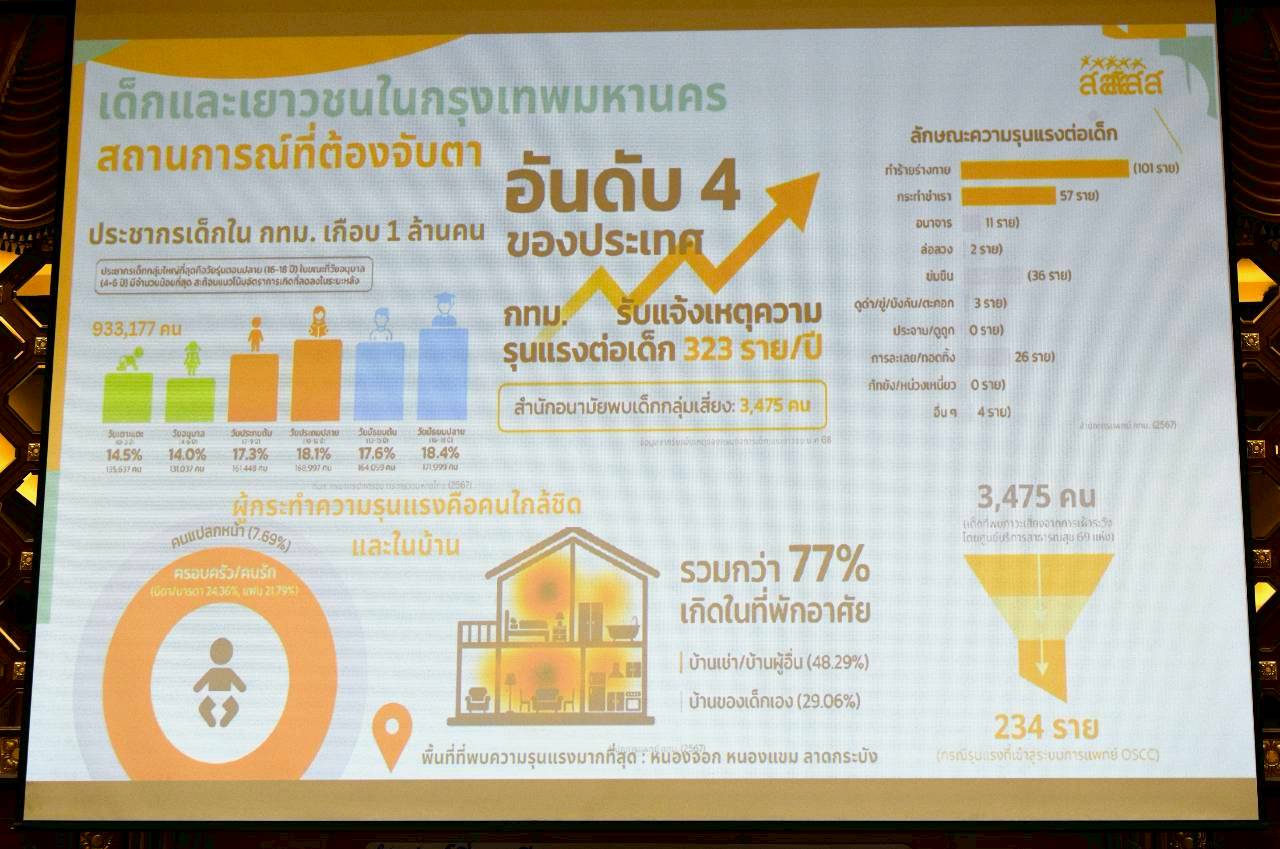
Authorities estimate that nearly one million children and young people in Bangkok are at risk, with recent findings indicating that 18% of reported violence cases involve children. Alarmingly, 77% of these incidents occur within the home environment, underscoring the urgency of reinforcing protective mechanisms.
Speaking at the 4th Bangkok Forum on Child and Youth Quality of Life, Poranee Phuprasert, Assistant Manager at ThaiHealth, said the initiative has been implemented continuously over the past four years, focusing on building a safer environment and improving well-being outcomes for children.
Data from Thailand’s Department of Children and Youth shows that Bangkok recorded 323 reported cases of violence against children as of January 2025, representing 18% of the highest reported cases nationwide. Additional data from the Bangkok Metropolitan Administration’s Public Health Office revealed that 3,475 children and youth were identified as being at risk of violence in 2024.
Physical abuse was the most common form of violence, followed by sexual assault and rape. In many cases, perpetrators were individuals close to the victims, including parents (24.36%), partners (21.79%), and acquaintances or strangers (7.69%).
The initiative has introduced several key measures, including the implementation of child protection policies across 437 schools under the Bangkok Metropolitan Administration, training more than 1,300 teachers in child safeguarding practices, and the development of the “TermTem” platform to identify vulnerable children and coordinate care plans with families.
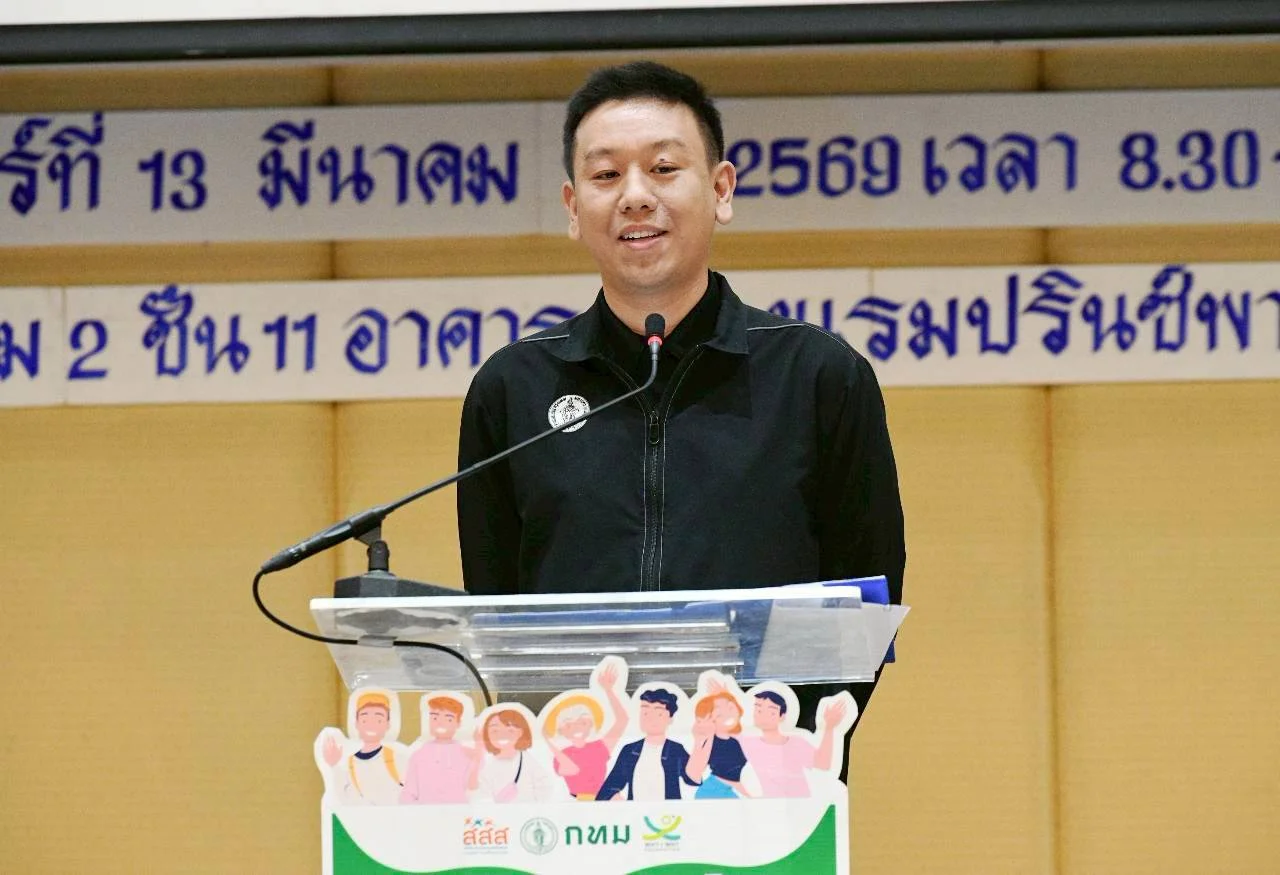
Sanon Wangsrangboon, Deputy Governor of Bangkok, said the city is advancing four key strategies: expanding safe after-school programs such as Saturday School and Open Education, strengthening violence prevention policies, improving the capacity of personnel to support affected children, and enhancing digital safety through regulations on device and social media use in schools.
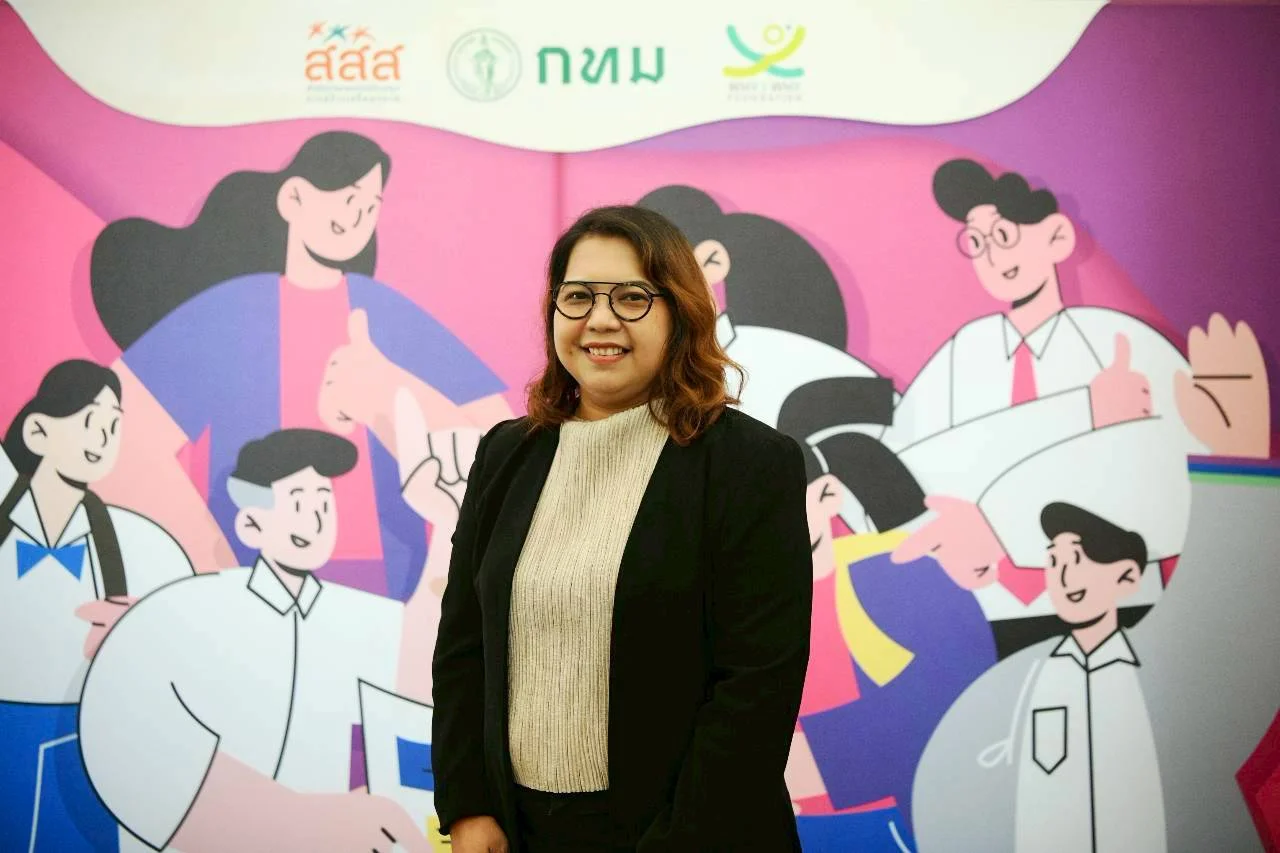
Meanwhile, Dr. Witchuta Itsaranuwat, a child protection expert from the YIY Foundation, highlighted the role of advisory and coaching teams deployed across six pilot zones in Bangkok. These teams provide case-based consultation to social workers, enabling more effective responses to complex child protection cases.
Policy recommendations from the working group include upgrading supervision systems into structured mentorship programs, standardizing tools for social workers, establishing an integrated central database across agencies, and creating an emergency fund to support urgent child protection cases.

Kanyavee Toosaranon, Secretary of the Children’s Committee under the Child Rights Network of Thailand, noted that despite Bangkok’s status as a city of opportunity, inequality and hidden safety risks persist particularly for children in vulnerable families and underserved communities.
She urged authorities to engage directly with children at the community level to ensure their voices are heard and to promote inclusive participation in shaping the city’s future.
Articles in this category are written by our editorial team to keep you informed about the latest healthcare and medical tourism news.

