
Lampang Hospital Pioneers Advanced Pulmonary Embolism Treatment in Northern Thailand
Lampang Hospital has successfully performed a computer-assisted vacuum thrombectomy (CAVT) procedure to remove a blood clot from a patient's pulmonary artery, marking a first for the hospital and, according to its announcement, the first such procedure among Ministry of Public Health hospitals under the Office of the Permanent Secretary in Northern Thailand.
Lampang Hospital has successfully performed a computer-assisted vacuum thrombectomy (CAVT) procedure to remove a blood clot from a patient's pulmonary artery, marking a first for the hospital and, according to its announcement, the first such procedure among Ministry of Public Health hospitals under the Office of the Permanent Secretary in Northern Thailand.
Lampang Hospital has announced a significant advancement in emergency cardiovascular care after successfully treating a patient with pulmonary embolism using Computer-Assisted Vacuum Thrombectomy (CAVT), an advanced catheter-based blood clot removal technique.
The achievement, announced on October 15, 2026, took place under the leadership of Dr. Rames Wongwilairat, Hospital Director, and represents an important milestone in expanding access to specialized medical treatment in Northern Thailand.
According to the hospital, the procedure was the first of its kind performed at Lampang Hospital and the first among hospitals under the Office of the Permanent Secretary, Ministry of Public Health, in Thailand's northern region.
The development highlights the hospital's growing capabilities in providing advanced, minimally invasive treatment for potentially life-threatening vascular conditions.
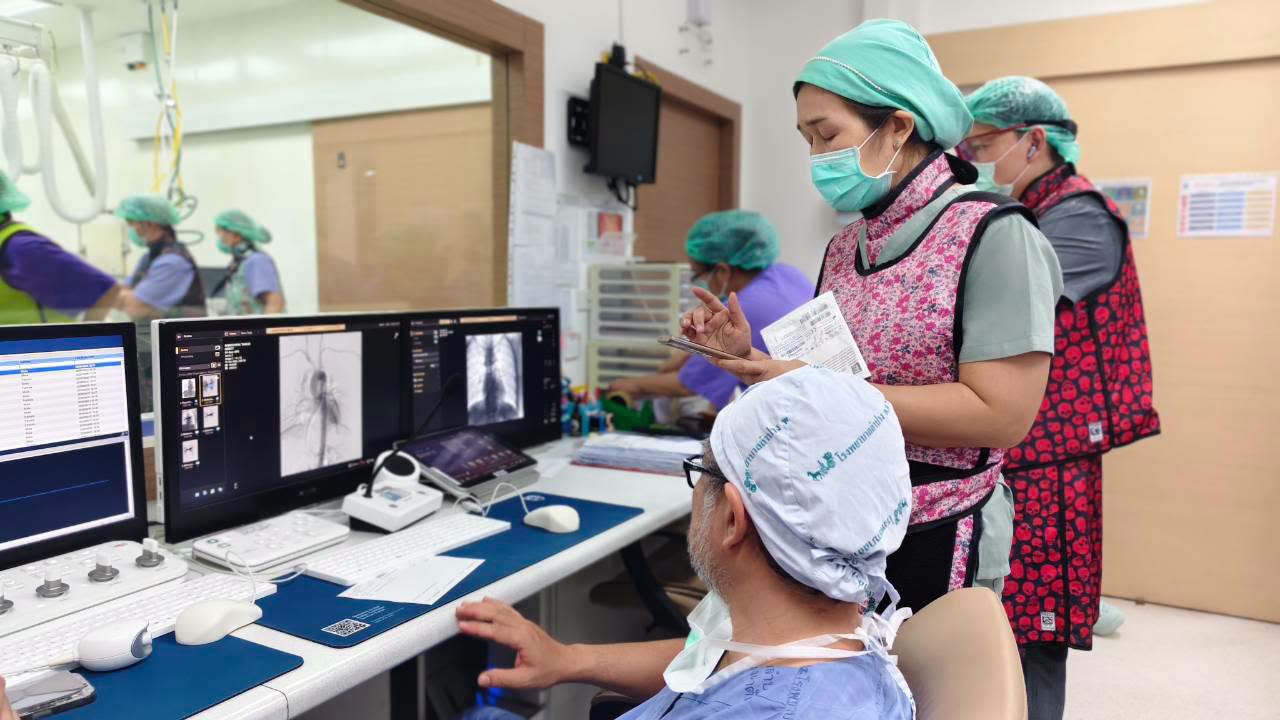
A Major Step Forward in Emergency Pulmonary Embolism Treatment
Pulmonary embolism is a serious medical condition that occurs when a blood clot blocks one or more arteries in the lungs.
The condition often develops when a clot forms in a deep vein, commonly in the leg, and travels through the bloodstream to the pulmonary arteries.
Depending on the size and location of the clot, pulmonary embolism can interfere with blood circulation, place significant strain on the heart and become life-threatening.
Patients may experience sudden shortness of breath, chest pain, rapid heartbeat, dizziness or fainting.
Because severe pulmonary embolism can deteriorate rapidly, early diagnosis and timely treatment are essential.
How Computer-Assisted Vacuum Thrombectomy Works
Computer-Assisted Vacuum Thrombectomy (CAVT) is a catheter-based treatment technique designed to remove blood clots directly from blood vessels.
The procedure involves advancing a specialized catheter through the vascular system toward the affected pulmonary artery.
A computer-assisted aspiration system helps control the application of suction to extract the obstructing clot.
By physically removing clot material, the procedure aims to restore blood flow through the affected pulmonary arteries.
Unlike open surgery, catheter-based thrombectomy can be performed through vascular access without requiring a large surgical incision.
However, CAVT is not appropriate for every patient with pulmonary embolism.
Treatment selection depends on the severity of the condition, the patient's clinical stability, bleeding risk and the assessment of a qualified multidisciplinary medical team.
Other established treatments include anticoagulant medication, clot-dissolving drugs in selected cases and alternative catheter-based or surgical interventions.
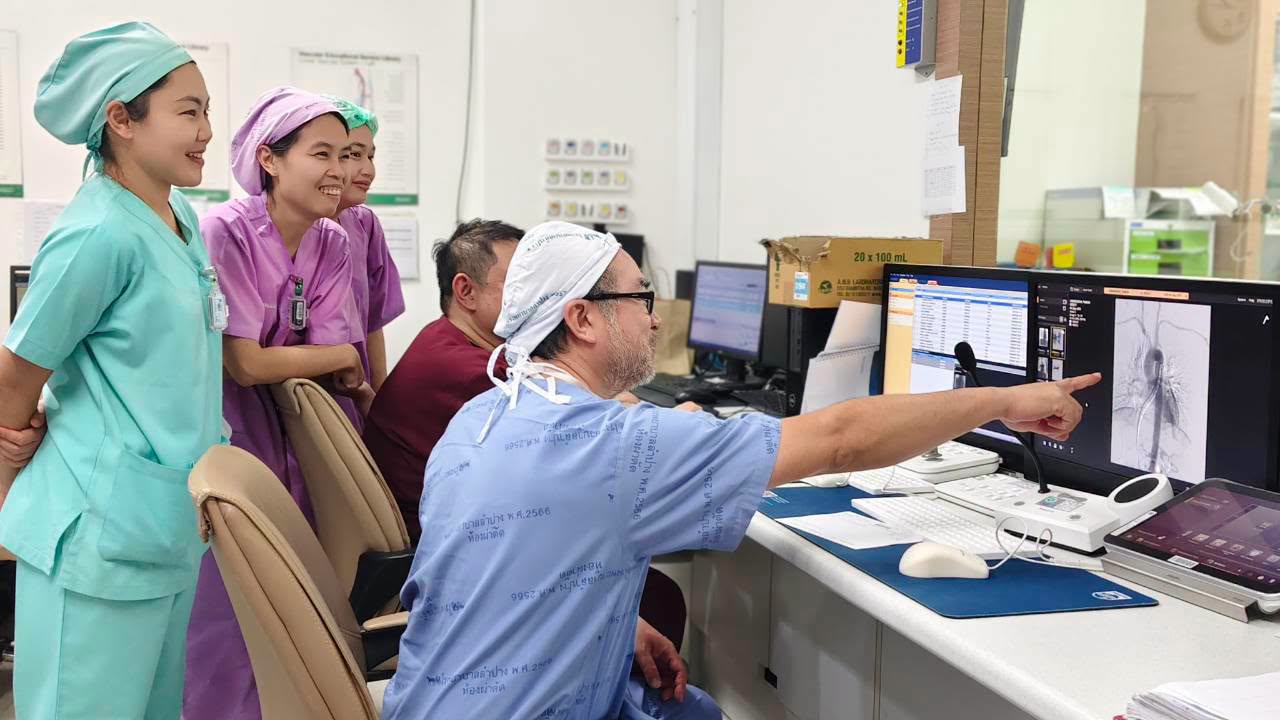
Multidisciplinary Medical Team Behind the Successful Procedure
The treatment at Lampang Hospital was led by interventional radiologist Dr. Suphawut Khantayanuwong, working alongside Dr. Kanchot Chanwanitkulchai and a multidisciplinary medical team.
The procedure required coordination among specialists and healthcare professionals from several departments, including:
-
Interventional radiology
-
Anesthesiology
-
Cardiac catheterization services
-
Cardiothoracic surgery
-
Neurosurgery
-
Pulmonary medicine
-
Cardiology
-
Other supporting clinical teams
The hospital emphasized that extensive preparation and coordinated treatment planning were important to the successful completion of the procedure.
The involvement of multiple specialties reflects the complexity of managing patients with serious pulmonary vascular conditions.
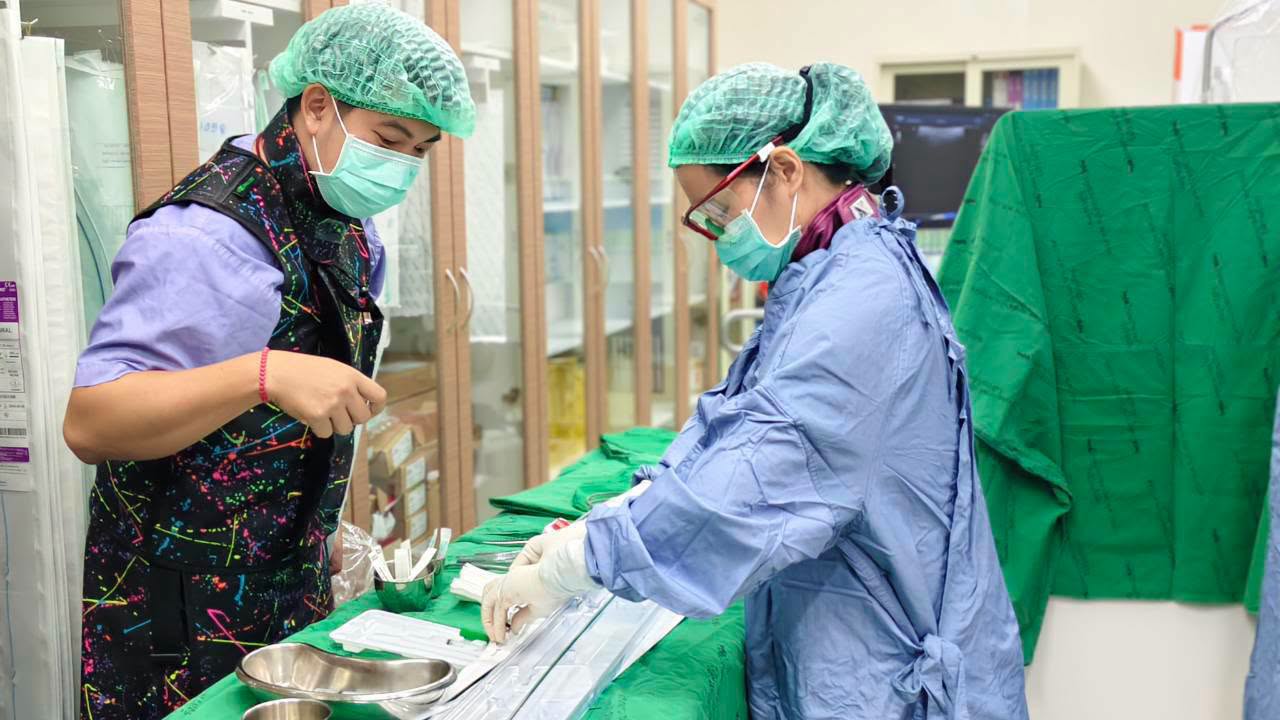
Expanding Access to Advanced Medical Care in Northern Thailand
The successful procedure represents an important development for Lampang Hospital and the wider healthcare network in Northern Thailand.
Advanced catheter-based treatment for pulmonary embolism requires specialized equipment, trained personnel and coordinated emergency care capabilities.
By introducing CAVT, Lampang Hospital has expanded the range of treatment options available for appropriately selected patients.
The achievement may help improve access to specialized care for residents of Lampang Province and surrounding northern communities.
It also demonstrates how regional public hospitals in Thailand are developing the capacity to provide increasingly complex medical procedures.
The hospital's announcement specifically identifies the achievement as a first among northern hospitals affiliated with the Office of the Permanent Secretary of the Ministry of Public Health, rather than a first across all healthcare institutions in Northern Thailand.
Thailand's Regional Hospitals Continue Advancing Medical Capabilities
Thailand's healthcare development extends beyond major medical centers in Bangkok.
Regional public hospitals play an important role in providing emergency services, specialized treatment and referral care to patients living outside the capital.
The introduction of advanced interventional technologies at hospitals such as Lampang Hospital reflects ongoing efforts to strengthen medical capabilities closer to patients' communities.
For time-sensitive conditions such as severe pulmonary embolism, the availability of appropriate specialist services can be an important part of the emergency care system.
The clinical benefits of any particular procedure, however, depend on individual patient circumstances and timely assessment.
Every Minute Matters, Every Life Has Value
Lampang Hospital described the achievement as a major step toward improving access to advanced medical services for people in Lampang and Northern Thailand.
The successful use of CAVT reflects the hospital's commitment to multidisciplinary teamwork, medical innovation and patient safety.
The development is consistent with the hospital's guiding principle:
“Every Minute Matters, Every Life Has Value.”
As advanced medical technologies become more accessible across regional healthcare systems, developments such as this may help expand treatment options for patients facing serious and time-sensitive medical emergencies.
Lampang Hospital's successful CAVT procedure marks an important milestone in the development of specialized pulmonary embolism treatment within Thailand's public healthcare system.
Source:
Articles in this category are written by our editorial team to keep you informed about the latest healthcare and medical tourism news.
