ArokaGO
  • 社区

公司

ArokaGO

Your trusted medical tourism platform. Connect with world-class healthcare providers in Thailand.

Apple StoreGoogle Play
FacebookInstagramYouTubeTikTokLinkedIn

患者服务

  • 控制台
  • 搜索医疗服务提供者
  • 登录
  • 患者注册
  • 预约

医疗服务提供者

  • 控制台
  • 预约
  • 聊天
  • 登录
  • 加入成为医疗服务提供者

联系我们

  • 泰国曼谷
  • +66 65 829 4562
  • contact@arokago.com

法律

  • 免责声明
  • 隐私政策
  • 评价政策
  • 广告

© 2025 ArokaGO。保留所有权利。

  1. 文章
  2. Diseases & Treatments
  3. How Do We Know If We Have Osteoporosis ?

How Do We Know If We Have Osteoporosis ?

DDr. Tanawat Amphansapon July 11, 20243 分钟阅读
How Do We Know If We Have Osteoporosis ?

Symptoms of Osteoporosis

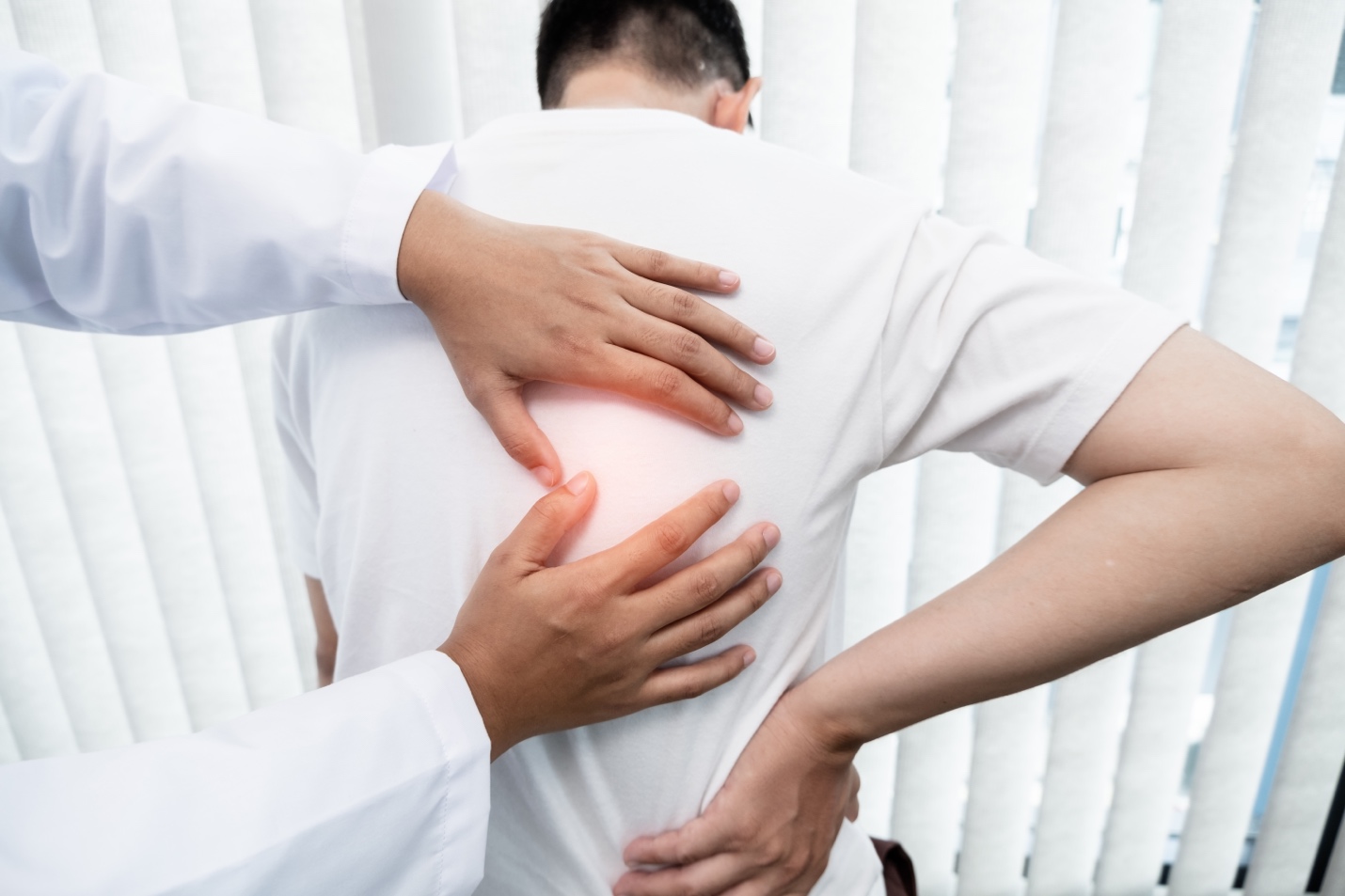
Osteoporosis often progresses silently, particularly in its early stages. Typically, there are no noticeable symptoms until the condition has significantly worsened. As it advances, individuals may experience:

- Chronic back pain

- A hunched back

- Decreased height

- Bones that break more easily than normal, even without severe accidents


Diagnosis of Osteoporosis

The primary method for diagnosing osteoporosis is by measuring bone mineral density (BMD) using Dual Energy X-ray Absorptiometry (DXA). The World Health Organization (WHO) classifies bone density values as follows:

- Normal Bones (Normal bone): Bone density values within 1 standard deviation (SD) compared to young adults (T-score > -1).

- Osteopenia (Thin bones): Bone density values between -1 SD and -2.5 SD compared to young adults (-2.5 < T-score < -1).

- Osteoporosis: Bone density values of -2.5 SD or lower compared to young adults (T-score < -2.5 SD).

- Severe Osteoporosis: Bone density values of -2.5 SD or lower, with a fracture, compared to young adults (T-score < -2.5 SD).
 

Indications for Bone Density Measurement

Bone density measurement is recommended for:

1. Women aged 65 years and older and men aged 70 years and older.

2. Women under 65 years and men under 70 years with at least one of the following risk factors:

- Women who have had both ovaries removed or experienced menopause before age 45.

- Women with estrogen deficiency before menopause for more than 1 year, except in cases of pregnancy and lactation.

- Individuals taking steroids for extended periods.

- Individuals with a family history of hip fractures.

- Postmenopausal women with a body mass index (BMI) of less than 20 kg/m².

3. Individuals with X-ray results showing a thin or deformed spine.

4. Individuals with a history of bone fractures from non-severe accidents.

5. Individuals whose height has decreased by more than 4 cm or more than 2 cm per year.

6. Individuals in the medium or higher risk group from screening with OSTA index, KKOS score, or nomogram.


Biochemical Markers and Their Limitations

Blood tests for biochemical markers of bone turnover, such as CTx, P1NP, and N-MID Osteocalcin, are not recommended for diagnosing osteoporosis. These markers can be influenced by many factors and may show abnormalities due to various conditions other than osteoporosis. However, they can complement bone density tests to assess fracture risk and track treatment efficacy. It is recommended to check these markers before starting osteoporosis medication and re-evaluate them after 3, 6, and 12 months of treatment. This approach helps gauge the response to treatment more quickly than relying solely on DXA.


References

National Osteoporosis Foundation. Physician’s guide to prevention and treatment of osteoporosis. Washington, DC: National Osteoporosis Foundation 1999.


NIH Consensus Development Panel on Osteoporosis Prevention, Diagnosis and Therapy. Osteoporosis prevention, diagnosis and therapy. JAMA 2001; 285:785-795.


Medical practice recommendations for osteoporosis care. Osteoporosis Foundation of Thailand, 2021.


Source: DoctorWat

Note: Translated and compiled by ArokaGO Medical Content Team.

D
Dr. Tanawat Amphansap

Police General Hospital

分享此文章

分享此文章

D
Dr. Tanawat Amphansap

Police General Hospital

更多文章

探索更多关于医疗保健和医疗旅游的见解。

What Is Hand Tremor? Understanding the Causes and the Right Ways to Treat It
Dec 2, 2025•Knowledge

What Is Hand Tremor? Understanding the Causes and the Right Ways to Treat It

Hand tremors are a common issue that many people experience in daily life—whether holding a cup of coffee, writing, or using a mobile phone. Noticing your hands shaking can be worrying, but in reality, tremors vary widely in severity and can arise from many different causes, ranging from minor, temporary issues to medical conditions that require proper treatment. This article will help you understand what hand tremors are, the underlying causes, and the correct treatment approaches, so you can take care of your health confidently and effectively.

Assisted Reproductive Technology (IVF / ICSI)
Nov 26, 2025•Knowledge

Assisted Reproductive Technology (IVF / ICSI)

Starting a family is one of life’s most meaningful milestones, yet some couples may require additional support through modern reproductive technologies such as IVF or ICSI. These methods significantly enhance the chances of achieving a safe and successful pregnancy. This guide provides a clear overview of everything you need to know before beginning treatment—from required documents and pre-treatment preparation for both men and women, to each step of the IVF/ICSI process and the timeline involved. With this information, couples can approach their fertility journey with confidence, clarity, and proper medical guidance.

45+ Ageism AI Human Value
Nov 20, 2025•Health

45+ Ageism AI Human Value

Recently, many have heard news about companies refusing to hire people aged 45 and above. This reflects the reality of Ageism age-based discrimination in labor markets both in Thailand and abroad.