ArokaGO
  • 社区

公司

ArokaGO

Your trusted medical tourism platform. Connect with world-class healthcare providers in Thailand.

Apple StoreGoogle Play
FacebookInstagramYouTubeTikTokLinkedIn

患者服务

  • 控制台
  • 搜索医疗服务提供者
  • 登录
  • 患者注册
  • 预约

医疗服务提供者

  • 控制台
  • 预约
  • 聊天
  • 登录
  • 加入成为医疗服务提供者

联系我们

  • 泰国曼谷
  • +66 65 829 4562
  • contact@arokago.com

法律

  • 免责声明
  • 隐私政策
  • 评价政策
  • 广告

© 2025 ArokaGO。保留所有权利。

  1. 文章
  2. Knowledge
  3. How to stay safe from PM2.5

How to stay safe from PM2.5

AAdisorn Manusarn, MD.on May 14, 20253 分钟阅读
How to stay safe from PM2.5

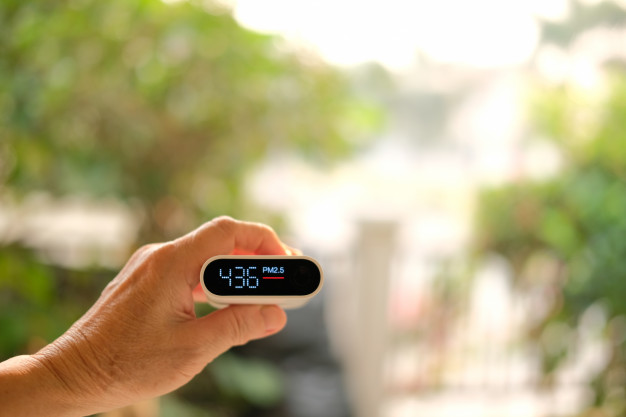
Recently, the weather conditions in Thailand have been problematic due to high levels of air pollution, ranking among the top in the world. As a result, it appears hazy throughout the day, with one dangerous component being PM 2.5 dust particles, which significantly impact our health. Therefore, it's important to understand this type of dust in order to take care of ourselves and our families and stay safe from PM 2.5 dust.


Particulate Matter (PM) consists of two types based on size:

1.        Coarse particles (PM10) - These are particles with a diameter less than 10 micrometers, or one-seventh the width of a human hair. They originate from natural sources such as pollen, bacteria, or household dust.

2.        Fine particles (PM2.5) - These are particles with a diameter less than 2.5 micrometers, mainly caused by human activities like burning, vehicle emissions, and industrial processes. They often contain higher levels of heavy metals compared to PM10.

PM 2.5 is considered hazardous as it can easily penetrate the respiratory system, causing various health issues. During seasonal changes, such as transitioning from winter to summer, temperature fluctuations lead to increased levels of PM 2.5 accumulation. According to the World Health Organization (WHO) Air Quality Guideline 2016, the average PM 2.5 concentration in a 24-hour period should not exceed 25 micrograms per cubic meter.


Common health problems caused by PM 2.5 include:

•         Irritated eyes and excessive tearing

•         Nasal congestion and runny nose

•         Skin irritation

•         Fatigue, shortness of breath, chest tightness, and rapid breathing

These symptoms worsen in individuals with pre-existing conditions such as allergies, asthma, or respiratory infections, as well as in children and the elderly.

The primary recommendation is to reduce or avoid exposure to PM 2.5. You can monitor air quality using the Air Quality Index (AQI) to determine whether outdoor activities are safe. If the AQI exceeds 100 or is marked orange or red, it indicates poor air quality, and outdoor activities should be avoided.


To protect your health from PM 2.5:

•         Check air quality frequently using apps like AIR4THAI.

•         Wear a mask when necessary, especially particulate respirators like N95 or P100 if spending extended time outdoors.

•         Stay indoors, especially for vulnerable groups like children, the elderly, pregnant women, or those with pre-existing health conditions.

•         Avoid vigorous outdoor activities that increase breathing rate.

•         Minimize indoor air pollution sources such as smoking, burning charcoal, using aerosols, or burning incense.

•         Use air purifiers with efficient filters to reduce indoor PM 2.5 levels.

•         Seek medical advice promptly if symptoms worsen and avoid exposure to PM 2.5.


Let's stay safe from PM 2.5 pollution!

Source: Department of Disease Control, Ministry of Public Health

              : Princ Suvarnabhumi Hospital

Translated and compiled by ArokaGO Content Team  

A
Adisorn Manusarn, MD.

Princ Hospital Suvarnabhumi

分享此文章

本页内容
  • Particulate Matter (PM) consists of two types based on size:
  • Common health problems caused by PM 2.5 include:
  • To protect your health from PM 2.5:

分享此文章

A
Adisorn Manusarn, MD.

Princ Hospital Suvarnabhumi

更多文章

探索更多关于医疗保健和医疗旅游的见解。

What Is Hand Tremor? Understanding the Causes and the Right Ways to Treat It
Dec 2, 2025•Knowledge

What Is Hand Tremor? Understanding the Causes and the Right Ways to Treat It

Hand tremors are a common issue that many people experience in daily life—whether holding a cup of coffee, writing, or using a mobile phone. Noticing your hands shaking can be worrying, but in reality, tremors vary widely in severity and can arise from many different causes, ranging from minor, temporary issues to medical conditions that require proper treatment. This article will help you understand what hand tremors are, the underlying causes, and the correct treatment approaches, so you can take care of your health confidently and effectively.

Assisted Reproductive Technology (IVF / ICSI)
Nov 26, 2025•Knowledge

Assisted Reproductive Technology (IVF / ICSI)

Starting a family is one of life’s most meaningful milestones, yet some couples may require additional support through modern reproductive technologies such as IVF or ICSI. These methods significantly enhance the chances of achieving a safe and successful pregnancy. This guide provides a clear overview of everything you need to know before beginning treatment—from required documents and pre-treatment preparation for both men and women, to each step of the IVF/ICSI process and the timeline involved. With this information, couples can approach their fertility journey with confidence, clarity, and proper medical guidance.

45+ Ageism AI Human Value
Nov 20, 2025•Health

45+ Ageism AI Human Value

Recently, many have heard news about companies refusing to hire people aged 45 and above. This reflects the reality of Ageism age-based discrimination in labor markets both in Thailand and abroad.