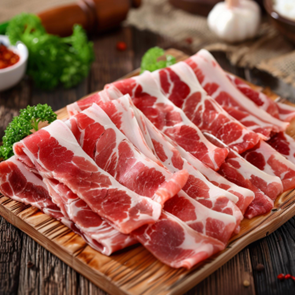
A new study from Harvard University’s T.H. Chan School of Public Health has found that higher intakes of heme iron, a type of iron found in red meat and other animal products, may significantly increase the risk of developing type 2 diabetes. According to the study, individuals who consumed the most heme iron had a 26% higher risk of developing type 2 diabetes compared to those who consumed the least.
The research, published in the journal Nature Metabolism, highlights the potential dangers of diets that emphasize red meat. The study suggests that heme iron plays a substantial role in raising the risk of type 2 diabetes. The researchers also raised concerns about the addition of heme iron to plant-based meat alternatives, which are designed to mimic the taste and texture of real meat but may carry similar health risks.
The study analyzed nearly four decades of data from the Nurses’ Health Studies I and II and the Health Professionals Follow-up Study. This comprehensive review included reports from 206,615 adults and examined all forms of iron intake, both from food and supplements, and their link to the development of type 2 diabetes.
Metabolic Implications
In a smaller subset of participants, the researchers examined blood plasma levels of metabolic markers, including insulin, lipids, blood sugar, inflammation, and iron overload. They identified 12 blood metabolites—small molecules produced during metabolism—that may be involved in the relationship between heme iron intake and the increased risk of type 2 diabetes.
The study found that high heme iron intake was associated with metabolic markers linked to the development of type 2 diabetes, as well as lower levels of beneficial markers.
Limitations and Considerations
While the study provides compelling evidence of the risks associated with high heme iron intake, the researchers noted several limitations. The study did not account for all possible confounding factors, and there may be some measurement error. Additionally, the participants were predominantly white, so the results may not be generalizable to other racial and ethnic groups.
The Link Between Meat-Heavy Diets and Type 2 Diabetes
Diets high in meat, such as paleo and ketogenic diets, have become popular due to their high protein content. However, health experts have raised concerns about the long-term health risks of these diets. According to Dr. Matthew O’Brien, an associate professor of medicine and preventive medicine at Northwestern University, many meat-heavy, low-carb diets have been linked to an increased risk of type 2 diabetes.
Melanie Murphy Richter, a certified dietitian and nutritionist, also pointed out that the rise in popularity of meat-based diets is driven by factors such as the portrayal of carbohydrates as unhealthy and unequal access to plant-based foods. Richter explained that consuming animal protein activates a growth factor called mTOR, which, when overactivated in adulthood, can accelerate cell degeneration.

Are Plant-Based Diets the Solution?
Experts like Dr. O’Brien advocate for plant-based diets, which have been shown to reduce the risk of chronic diseases, including diabetes and cardiovascular problems. The Mediterranean diet, in particular, has been extensively studied and is based on a plant-centric approach, incorporating poultry, fish, eggs, cheese, and yogurt in moderation.
Richter also supports a plant-based diet, emphasizing its potential to reduce the risk of chronic diseases and certain cancers. However, she cautions that not all plant-based meat alternatives are healthy, especially those with added heme iron and processed ingredients.
The findings of this study suggest that reducing red meat consumption and focusing on a plant-based diet may be a prudent approach to lowering the risk of type 2 diabetes and improving overall health.
此类别中的文章由我们的编辑团队撰写,旨在让您了解最新的医疗保健和医疗旅游新闻。