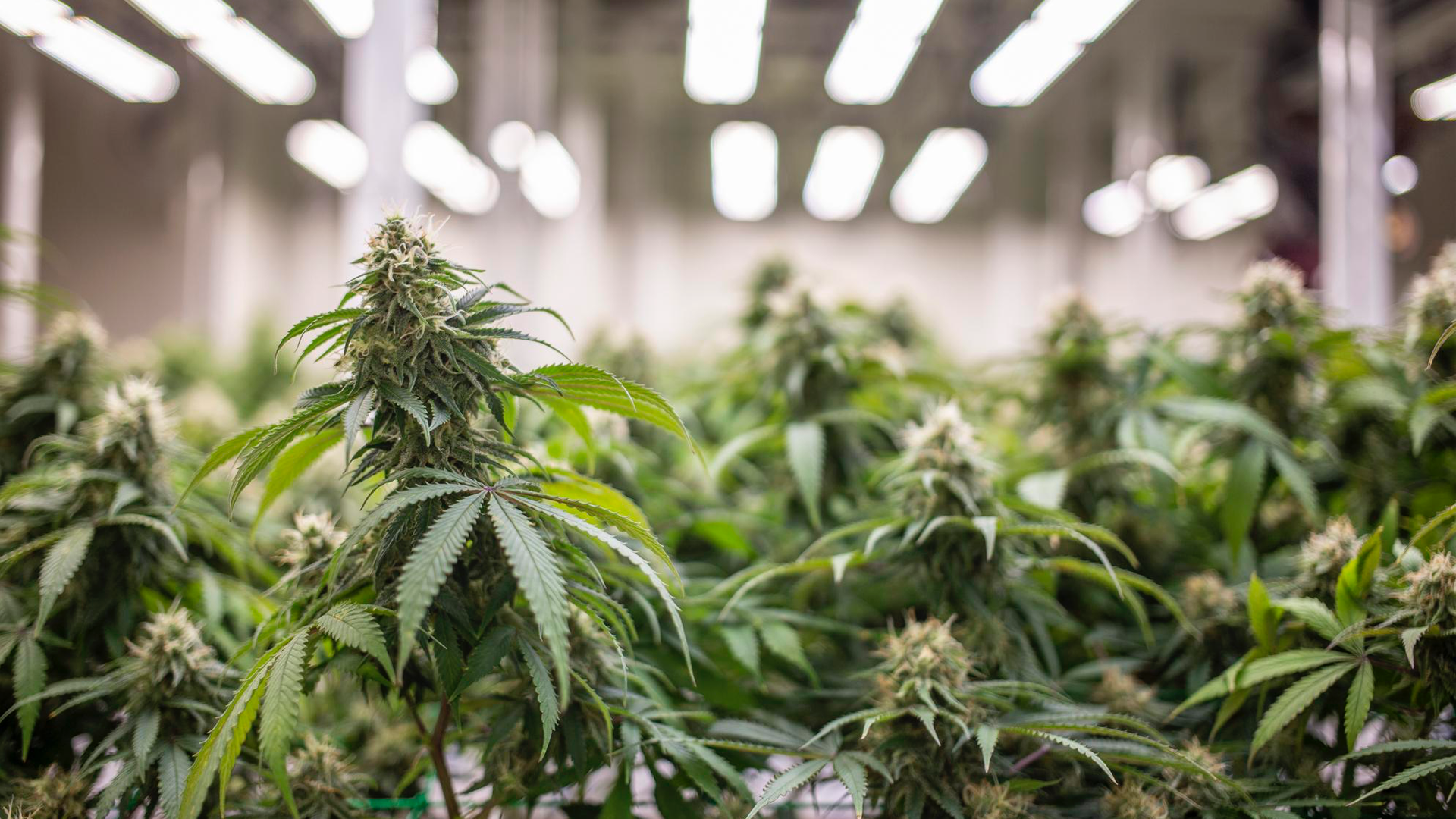
"Cannabis" has emerged as an alternative medicine of growing interest globally. In Thailand, it is used for medical purposes, with community enterprises collaborating with universities, hospitals, or government agencies to cultivate it. The flower inflorescences are used for medical extraction, while other parts hold potential for experimental products awaiting commercial release. Data from the Ministry of Public Health reveals that over 50,000 patients across 77 provinces receive both modern and traditional Thai cannabis medicine, produced by community enterprise groups collaborating with more than 300 agencies under the Ministry of Public Health to create cannabis oil and traditional Thai cannabis medicine ingredients.
Dr. Tewan Thaneerat, Director of the Division of Alternative Medicine Department of Thai Traditional and Alternative Medicine, emphasized the importance of studying cannabis cultivation. While medical marijuana is gaining global recognition, it remains a controversial topic due to its classification as both medicine and a controlled substance. Research is ongoing, including a collaboration with Thai experts who have used marijuana for years. Initial studies have shown few issues. The Department of Thai Traditional Medicine has also collaborated with public and private partners to expedite the production of two medicinal cannabis medicines, ensuring access to standardized, high-quality medical cannabis.
A survey by the Department of Thai Traditional Medicine identified over 120 hospitals interested in using cannabis oil, with approximately 40,000 patients from 41 hospitals expressing interest in such treatment. This demand has necessitated the acceleration of production, requiring over three tons of inflorescences per month to serve 40,000 patients.
During the first five years, the law stipulates that imports, exports, or production of marijuana must involve government sectors or community enterprises working in conjunction with them. Universities have played a significant role in this effort. However, the initial investment is substantial and carries risks. To attract farmers, there must be a clear market for purchasing the flower buds, and community enterprises must receive academic support.
Dr. Tewan emphasized the importance of understanding marijuana's potential dangers. Many misconceptions surround marijuana, with people assuming it is easily accessible and entirely safe. However, marijuana plants are proficient at absorbing heavy metals, pesticides, and toxins from the soil. Consuming uncertified cannabis products from unknown sources can be hazardous. Thus, growing marijuana for medical use must adhere to specified criteria, including maintaining standard quality and providing a safe cultivation environment.

Interested in Growing Marijuana? Here's What to Do
1. Form a community enterprise with a minimum of 7 members for a business other than cannabis cultivation.
2. Register as a community enterprise at the District Agriculture Office in the designated community enterprise area registered with government agencies and educational institutions.
3. Apply for permission to produce (plant) category 5 drugs, specifically marijuana, from the District Agriculture Office at the registered community enterprise. The process typically takes 7-15 days.
Procedure for Applying for Permission to Grow Marijuana in Thailand
1. Submit documentary evidence at the Food and Drug Administration or Provincial Public Health Office.
2. Conduct inspections and evaluations at the requested marijuana cultivation locations.
3. Attend a meeting of the Provincial Committee assigned by the Provincial Governor to consider and provide opinions (if the planting area is in another province).
4. Attend a subcommittee meeting for scrutiny and consideration.
5. Attend the meeting of the Narcotics Control Committee for approval.
6. Obtain the necessary licenses.
此类别中的文章由我们的编辑团队撰写,旨在让您了解最新的医疗保健和医疗旅游新闻。