The Department of Medical Services, Thailand through Maha Vajiralongkorn Thanyaburi Hospital, has highlighted a significant issue affecting cancer patients: inadequate protein intake due to misconceptions about dietary restrictions during cancer treatment. Many patients mistakenly believe that consuming various types of meat is prohibited, leading to nutritional deficiencies that can hinder their treatment progress.
Dr. Sakarn Bunnag, Deputy Director-General of the Department of Medical Services, emphasized that cancer is a chronic disease posing a long-standing medical and public health challenge. During cancer treatment, whether through chemotherapy or radiation, many patients avoid eating beef, pork, chicken, or seafood, fearing it might be harmful. This misconception results in incomplete nutrition, adversely affecting red blood cells, white blood cells, and platelets. Consequently, patients may not meet the necessary blood value criteria for treatment, disrupting the planned treatment process.
Importance of High-Quality Protein
Dr. Adisai Phattatang, Director of Maha Vajiralongkorn Thanyaburi Hospital, stressed that cancer patients require higher protein intake than the general population. He recommended consuming good quality natural proteins such as pork, chicken, and seafood. The protein requirement for cancer patients is approximately 1.2 to 1.5 grams per kilogram of body weight per day. For instance, a patient weighing 50 kilograms should consume 60 to 75 grams of protein daily (body weight x 1.2 = amount of protein needed).
Sources of Protein
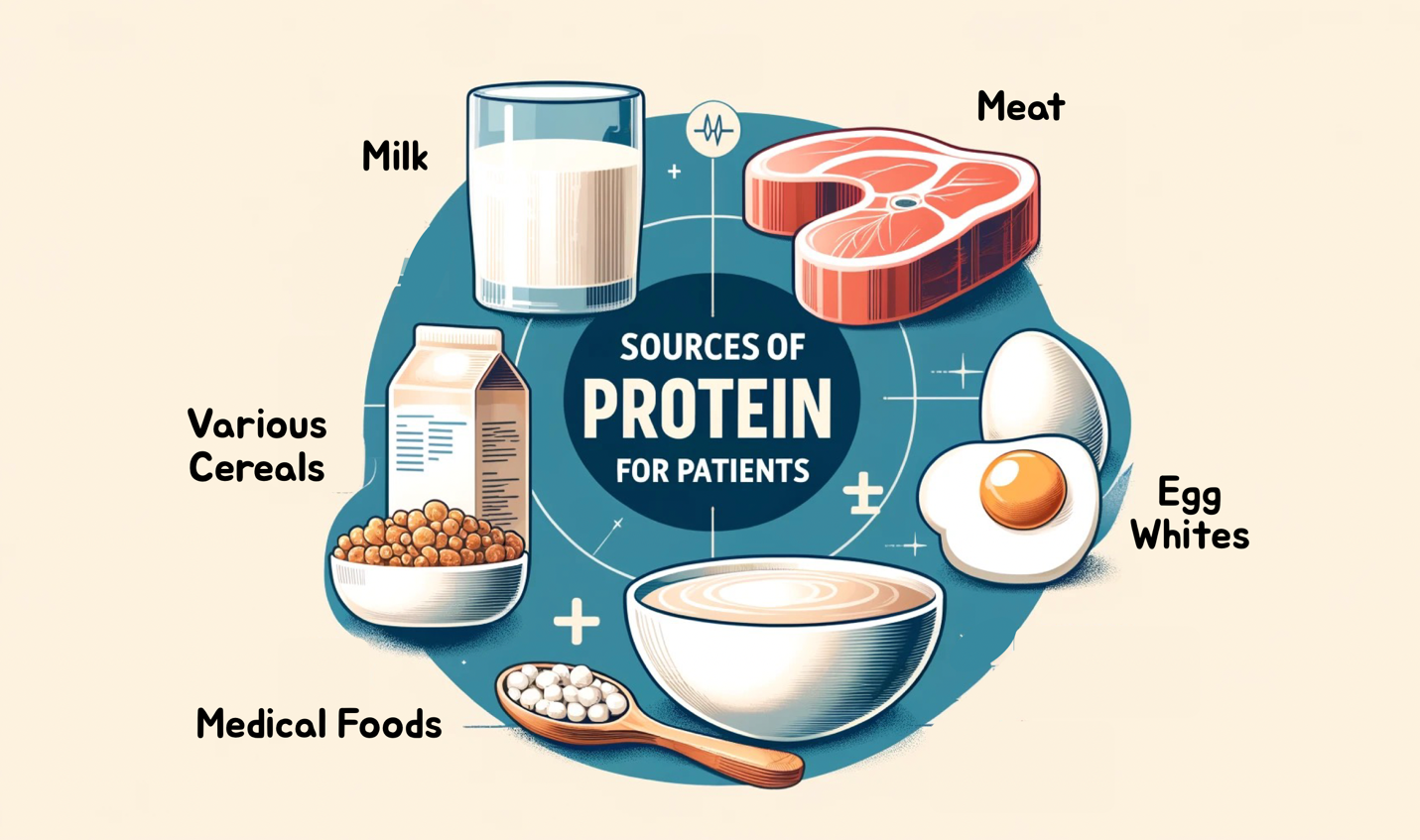
In addition to meat, other excellent protein sources include:
- Milk
- Egg Whites
- Various Cereals
- Medical Foods

These protein sources are essential for repairing the body during cancer treatment.
Personalized Nutrition Plans
Dr. Phattatang advised that each cancer patient has unique nutritional needs. Therefore, it is crucial to consult with a doctor or nutritionist to develop a personalized diet plan. Patients should aim to consume a variety of foods to ensure they receive complete protein each day. A balanced diet from all five food groups, adequate water intake, regular exercise, sufficient sleep, and regular bowel movements are essential for preparing the body for ongoing cancer treatment.
Proper nutrition, particularly adequate protein intake, is vital for cancer patients undergoing treatment. Dispelling misconceptions about dietary restrictions and promoting the consumption of high-quality proteins can significantly improve treatment outcomes. Patients are encouraged to seek professional dietary advice to ensure they meet their nutritional needs and support their body's repair processes during cancer treatment.
此类别中的文章由我们的编辑团队撰写,旨在让您了解最新的医疗保健和医疗旅游新闻。