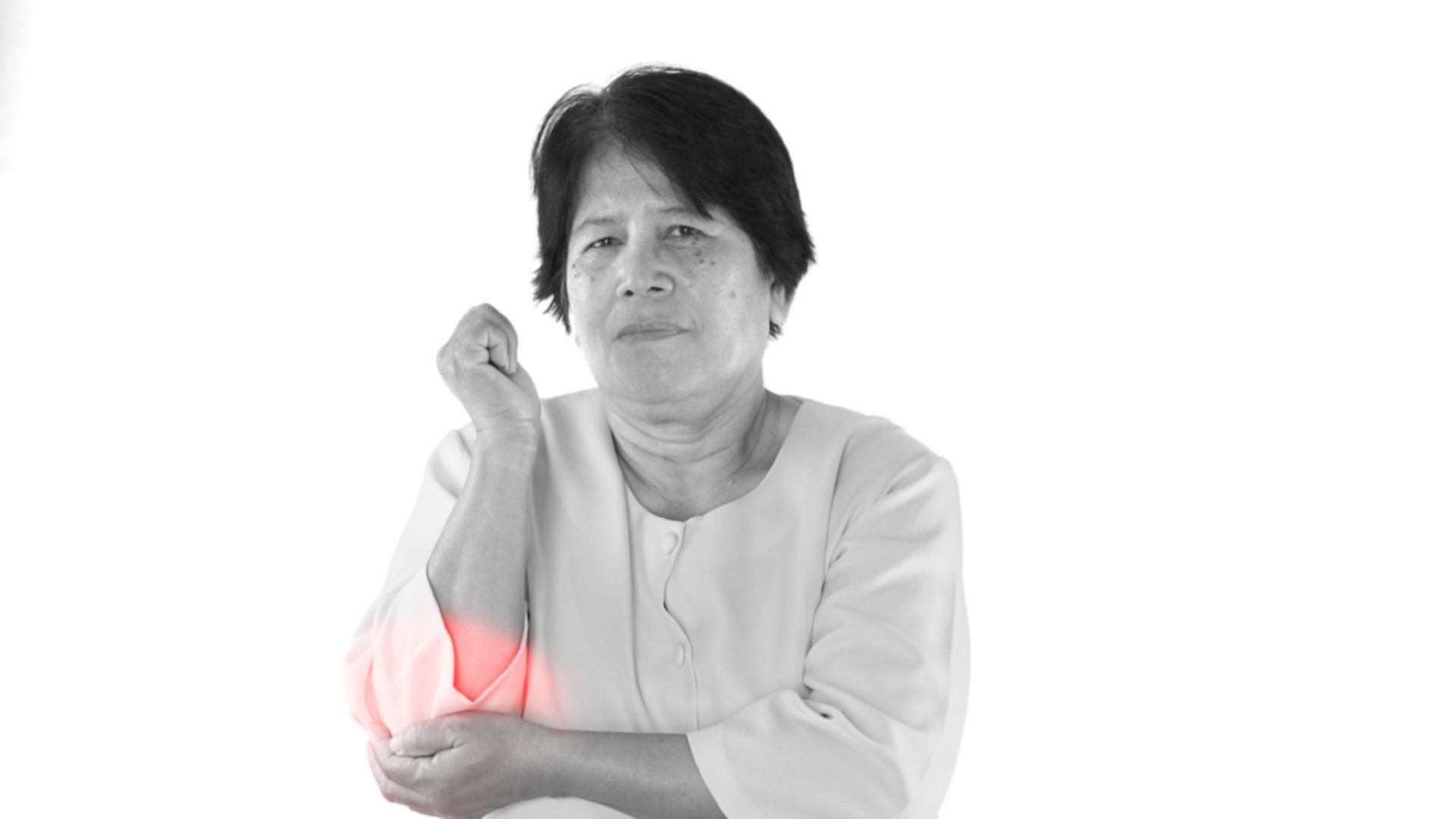
8 Common Questions About Osteoporosis: Everything You Need to Know

8 Common Questions About Osteoporosis: Everything You Need to Know
Osteoporosis is a common but often overlooked condition, especially among older adults. Understanding its risks, causes, prevention, and treatment can help reduce complications and improve quality of life.
1. Why Is Osteoporosis Considered a Silent and Dangerous Disease?
Osteoporosis is often called a “silent disease” because it usually develops without noticeable symptoms. Most patients do not experience pain until a fracture occurs.
It is highly prevalent:
๐ 1 in 3 women and
๐ 1 in 5 men over 50 years old
Many elderly patients also experience recurrent fractures within 1-2 years after the first fracture.
2. What Are the Risks and Complications of Osteoporosis?
The main complications are fragility fractures, especially in:
๐ Wrist
๐ Upper arm
๐ Spine
๐ Hip
These fractures can lead to:
๐ Severe pain
๐ Deformity
๐ Reduced mobility
๐ Decreased quality of life
In many cases, patients require surgery, hospitalization, and long-term rehabilitation, which also increases the burden on caregivers and healthcare costs.
3. What Are the Risk Factors for Osteoporosis?
Risk factors are divided into two categories:
Non-Modifiable Risk Factors
๐ Age (60 years and older)
๐ Female gender
๐ Asian ethnicity
๐ Small body frame
๐ Early menopause (<45 years)
๐ History of fractures
๐ Family history of fractures
๐ Chronic diseases (e.g., diabetes, thyroid disorders, rheumatoid arthritis)
Modifiable Risk Factors
๐ Calcium and vitamin D deficiency
๐ Low body weight
๐ Smoking
๐ Alcohol consumption
๐ Excess caffeine or soft drinks
๐ Long-term use of certain medications (e.g., steroids, antacids)
๐ Lack of exercise
๐ Limited sun exposure
๐ Increased risk of falls (e.g., vision problems, sedative use)
4. How Is Osteoporosis Diagnosed?
According to the Thai Osteoporosis Foundation (2021 guidelines), osteoporosis can be diagnosed if one of the following is present:
๐ Fragility fracture of the spine or hip
๐ Bone Mineral Density (BMD) T-score ≤ -2.5
๐ T-score between -1.0 and -2.5 with a ≥3% 10-year hip fracture risk (FRAX Thailand)
๐ T-score between -1.0 and -2.5 with fractures at other sites (e.g., humerus, pelvis, forearm)
5. How Can Osteoporosis Be Prevented?
A simple approach can be summarized as D-E-F:
D: Diet
๐ Consume sufficient calcium, vitamin D, and protein
๐ Supports bone and muscle strength
E: Evaluate & Exercise
๐ Regular risk assessment
๐ Engage in aerobic exercise and balance training
๐ Exercise outdoors to get UVB exposure for vitamin D synthesis
F: Fall Prevention
๐ Improve home safety
๐ Reduce fall risks (e.g., avoid sedatives, treat cataracts)
6. How Is Osteoporosis Treated?
Treatment includes:
Identify Secondary Causes
Blood tests may be needed to detect underlying conditions such as:
๐ Diabetes
๐ Thyroid disorders
๐ Vitamin D deficiency
๐ Hormonal imbalances
Medication for Primary Osteoporosis
๐ Very high risk Use anabolic drugs (e.g., Teriparatide, Romosozumab)
๐ High risk Use antiresorptive drugs (e.g., Bisphosphonates, Denosumab)
7. Are All Bisphosphonate Drugs the Same?
Although all Nitrogen-containing Bisphosphonates work by inhibiting FPP synthase, they differ in:
๐ Bone affinity
๐ Potency
๐ Effectiveness in fracture prevention
For example:
๐ Risedronate has lower bone affinity but higher potency
๐ Studies show it can reduce:
๐ Spine fractures by 49%
๐ Non-spine fractures by 39%
๐ Hip fractures by 40%
It also shows effectiveness within 6 months, which is critical for preventing recurrent fractures.
8. What Are the Contraindications and Precautions for Bisphosphonates?
Contraindications
๐ Severe kidney impairment
๐ eGFR <30 (risedronate, ibandronate)
๐ eGFR <35 (alendronate, zoledronic acid)
๐ Low blood calcium
๐ Pregnancy or breastfeeding
๐ Drug allergy
Precautions
Avoid oral bisphosphonates in patients with:
๐ Esophageal disorders (e.g., achalasia, strictures, varices)
๐ Inability to sit or stand upright for at least 30 minutes after taking medication
Studies show that:
๐ Risedronate causes 69% fewer gastric ulcers compared to alendronate
๐ This improves long-term medication adherence

Conclusion
Osteoporosis is a serious but preventable and manageable condition. Early detection, proper lifestyle adjustments, and appropriate treatment can significantly reduce the risk of fractures and improve quality of life.
Regular screening and consultation with a healthcare professional are essential-especially for individuals over 50 or those with risk factors.
Source : Dr. Tanawat Amphansap
**Translated and compiled by ArokaGO Content Team
Police General Hospital
Share this article
More Articles
Discover more insights on health care and medical tourism.

Neurodegenerative Disease Symptoms
Recognizing early symptoms of neurodegenerative conditions and taking proactive steps can make a significant difference in quality of life. This guide explores early signs and innovative management approaches.

Cardiac Echo (Echocardiogram): Key Benefits of Heart Ultrasound
The heart is a vital organ that works continuously 24 hours a day to pump blood throughout the body. But how can we know whether the heart is functioning efficiently and free from hidden abnormalities? A cardiac echo (echocardiogram), or heart ultrasound, is a medical technology that allows doctors to visualize the structure and function of the heart in real time. It enables detailed assessment of the heart muscle, heart valves, and blood flow. This helps detect abnormalities and potential risks at an early stage, allowing for appropriate preventive care planning before symptoms become more severe in the future.

What Are Dental Implants? A Holistic Approach to Dental Treatment
A dental implant is a material used to replace a missing tooth root. It is designed to look like a small screw or post that is surgically placed into the jawbone where the tooth root has been lost. This allows a crown or artificial tooth to be securely attached.