အသည်းအသွေးအစားထိုးခွဲစိတ်မှုမတိုင်မီ အရိုးကျန်းမာရေးတိုးတက်အောင်ပြုလုပ်ခြင်း။

အောက်ခြေတပ်ဆေးခန်းပြုလုပ်မှုနှင့်အတူ အိုစတီအိုပိုရိုစစ် (Osteoporosis) ၏ အရေးပါမှု။
စုစုပေါင်းအတွင်း သက်တံတပ်ဆေးခန်းဖြတ်တောက်ခြင်း (Total Hip Arthroplasty - THA) နှင့် စုစုပေါင်း ဒူးတပ်ဆေးခန်းဖြတ်တောက်ခြင်း (Total Knee Arthroplasty - TKA) တို့သည် အရောင်ဆုံး အရိုးအဆစ် ဆေးခန်းပြုလုပ်မှုများထဲမှ တစ်ခုဖြစ်သည်။ အိုစတီအိုပိုရိုစစ် (Osteoporosis) သည် စုစုပေါင်းအဆစ်တပ်ဆေးခန်းပြုလုပ်ခြင်း (Total Joint Arthroplasty - TJA) ၏ အောင်မြင်မှုအပေါ် သက်ရောက်မှုရှိသော အန္တရာယ်အဖြစ်အမြဲတစ်ခုအဖြစ် သတ်မှတ်ခြင်း ခံရသည်။ TJA သက်နယ်တွင် ဖြစ်နိုင်သော စိန်ခေါ်မှုများတွင် ဆေးခန်းအတွင်း အကြောင်းအရင်းမရှိ အရိုးပြတ်ခြင်း (intraoperative fracture), ပရော်စတက်စစ် (prosthesis) တစ်ခု၏ ပိုးမပါဘဲ ချွတ်ခြင်း (aseptic loosening), နှင့် ပရီပရော်စတက်စစ် အရိုးပြတ်ခြင်း (periprosthetic fracture) တို့ ပါဝင်သည်။ သုတေသနအရ၊ အိုစတီအိုပိုရိုစစ်ရှိသူများတွင် ပရီပရော်စတက်စစ် အရိုးပြတ်ခြင်း မဖြစ်မီ အဆစ်တပ်ဆေးခန်းပြုလုပ်မှုအပြီး ခုနစ်ကျပ်ကနေ ၅.၅% ထိဖြစ်ပွားနိုင်ခြေ မြင့်တယ်ဟု တွေ့ရပြီး၊ ပြင်ဆောင်အဆစ်တပ်ခြင်းအတွက် ဖြစ်ပွားနိုင်ခြေသည် ၃၀% ထိတက်ရှိနိုင်သည်ဟု တွေ့ရှိသည်။
TJA ပြုလုပ်ခံရသူများထဲတွင် အိုစတီအိုပိုရိုစစ်ဖြစ်ပွားမှုအပေါ် သုတေသနများအရ အဆစ်တပ်ဆေးခန်းပြုလုပ်သူလူနည်းစု ၃၆.၇% သည် အိုစတီအိုပိုရိုစစ် ရှိသည်။ ထို့အပြင်၊ TJA ပြုလုပ်ခံရသော လူနာများမှာ ဆေးခန်းအပြီးအရိုးပျော့မူကြောင့် ဆေးခန်းပြီးနောက် အိုစတီအိုပိုရိုစစ်ဖြစ်ပွားနိုင်မှုပိုမိုမြင့်တက်သည်။ သုတေသနအရ operated joint ၏ ကင်းလုံးအရိုးကိုယ်ထည် ပျော့မည့်အန္တရာယ်သည် TJA ပြီးနောက် ၂၀% ထိတက်နိုင်သည်။
အိုစတီအိုပိုရိုစစ်ဆေးဝါးများနှင့် အရိုးကျန်းမာရေးတိုးတက်မှုအပေါ် သက်ရောက်မှု
သက်သေချက်များအရ antiresorptive agents အသုံးပြုခြင်းသည် စုစုပေါင်းအဆစ်တပ်ဆေးခန်းပြုပြင်မှု (TJA) ပြုလုပ်ခြင်းအပြီး အရိုးပျော့နှုန်းကို လျှော့ချနိုင်သည်။ Ro et al. ၏ သုတေသနအရ bisphosphonates ခံယူသူလူနာများသည် ဆေးဝါးဆေးမသုံးသူနှင့် ဖ салы တွက်သောအခါ စုစုပေါင်း ဒူးတပ်ပြင်ခြင်း (TKA) ပြန်လည်ပြုပြင်မှုနှုန်း ပိုနိမ့်သည် (၁.၅% နှင့် ၂.၉%)။
ထပ်ရေးပြောလျှင်, စုစုပေါင်းအတွင်း သက်တံတပ်ဆေးခန်း (THA) ပြုလုပ်ခံရသူများတွင် ရောစပ်သုတေသနများအရ bisphosphonates ခံယူသူများသည် ဆေးမသုံးသူများထက် ဆေးခန်းပြန်လည်ပြင်မှုနှုန်း ပိုနိမ့်သည် (၂.၈% နှင့် ၅.၃%)။
ထို့နောက်, meta-analysis တစ်ခုအရ, bisphosphonates ထည့်သွင်းကုသခြင်းသည် ပြန်လည်ပြင်ရန်ဖြစ်ပွားနိုင်မှု ၅၀% ထိ လျှော့ချနိုင်သည်ဟု တွေ့ရှိသည်။
TJA ဆေးခန်းမတိုင်မီ အိုစတီအိုပိုရိုစစ်ဆိုင်ရာ သုံးသပ်ခြင်းနှင့် ကုသခြင်း လမ်းညွန်ချက်များ
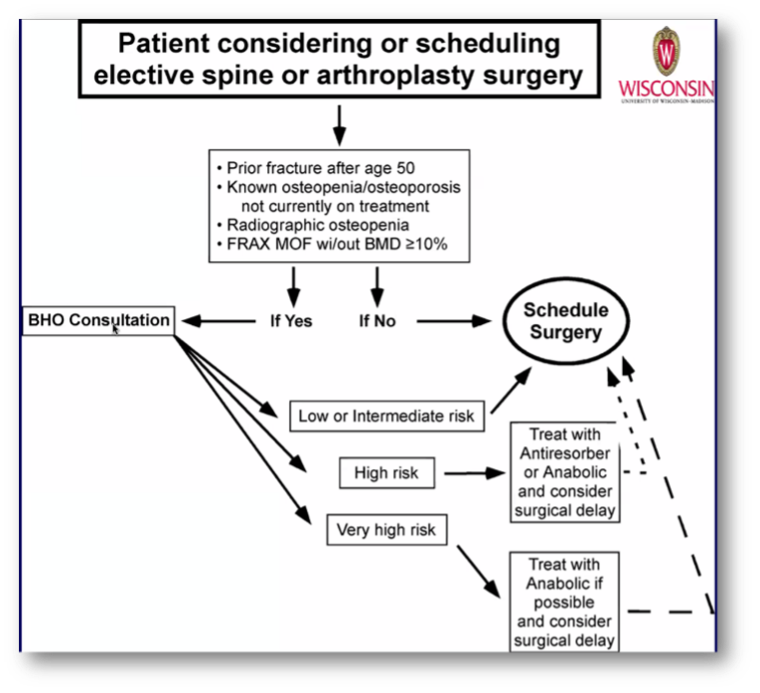
အနှစ်ချုပ်
အိုစတီအိုပိုရိုစစ်သည် ရောဂါအဖြစ် မကြာခဏ ဆုံ့ကျင်နေပြီး၊ စုစုပေါင်းအဆစ်တပ်ဆေးခန်း (TJA) ခံယူမည့် လူနာများအနက်တွင် ပိုမိုတွေ့ရှိနိုင်သည်။ သို့သော် အများစုသော လူနာများသည် အီစတီအိုပိုရိုစစ် သက်ရောက်မှု စစ်ဆေးခြင်း၊ အန္တရာယ်ဖော်ထုတ်ခြင်း၊ နှင့် ကုသမှု အလွန်ကန့်သတ်သော အခွင့်အရေးသာ ရရှိ၊ TJA မတိုင်မီ ကုသမှုခံရကြသည်။ အိုစတီအိုပိုရိုစစ်နှင့် osteoarthritis တို့အတူတူရှိသည်မှာ ဆေးခန်းပြီးနောက် ဆေးခန်းအတွင်း အရိုးပြတ်ခြင်း၊ ပရော်စတက်စစ် ပိုးမပါဘဲ ချွတ်ခြင်း၊ နှင့် ပရီပရော်စတက်စစ် အရိုးပြတ်ခြင်း စသော ဆိုးကျိုးရလဒ်များကို အမြန်တက်စေနိုင်သည်။
ဆေးဝါးဖြင့်ကုသခြင်း၊ anti-resorptive agents နှင့် anabolic bone-forming agents ကဲ့သို့သောအဆင့်များသည် ရေဒီယိုဂရပ်ဖီနှင့် မဟာဗျုဟာ အနေနဲ့ရလဒ်များ တိုးတက်လာစေရန် အထောက်အကူပြုသည်။ ထို့ကြောင့်, အိုစတီအိုပိုရိုစစ်ဆေးဝါးများကို အသုံးပြု၍ အရိုးကျန်းမာရေးကို သုံးသပ်နှိပ်စက်ခြင်းနှင့် တိုးတက်အောင် ပြုစုခြင်းသည် TJA မတိုင်မီ လ ၂-၆ နေ့အထိ စတင်ပြီး၊ ဆေးခန်းပြီးနောက် နှစ် ၁-၂ အနည်းဆုံး ဆက်လက်ထိန်းသိမ်း ရေးသင့်ပါသည်။ ဤနည်းလမ်းသည် ဆေးခန်းရလဒ်များ တိုးတက်စေနိုင်သကဲ့သို့ ဆေးခန်းပြီးနောက် ဖြစ်နိုင်သော စိန်ခေါ်မှုအန္တရာယ်ကိုလည်း လျှော့ချပေးနိုင်ပါသည်။
ရင်းမြစ် : Doctorwat
**ArokaGO Content Team မှ ဘာသာပြန်ပြီး တင်ပြပါသည်။
Police General Hospital
ဤဆောင်းပါးကို မျှဝေပါ
ဆောင်းပါး ထပ်မံကြည့်ရှုပါ
ကျန်းမာရေး စောင့်ရှောက်မှုနှင့် ဆေးဘက်ဆိုင်ရာ ခရီးသွားလာမှု ဆိုင်ရာ ထိုးထွင်းသိမြင်မှုများ ပိုမို ရှာဖွေတွေ့ရှိပါ။

Hertitude မှ Medical Wellness: Aman Nai Lert Bangkok တွင် အသက်ရှည်ရေးဆိုင်ရာ ဆေးပညာ
ဘန်ကောက်မြို့၏ လုမ္ပိနီခရိုင် အလယ်ဗဟိုရှိ နိုင်လတ်ပန်းခြံ၏ ဧက ၇ ဧကကျော်စိမ်းလန်းသော တိတ်ဆိတ်ငြိမ်သက်မှုအတွင်းတည်ရှိသည့် Aman Nai Lert Bangkok ၏ ၈ ထပ်တွင် Medical Wellness by Hertitude Clinic တည်ရှိပြီး၊ ၎င်းသည် ဘန်ကောက်မြို့၏ အလွန်သီးသန့်ဇိမ်ခံလိပ်စာများထဲမှ တစ်ခုအတွင်း တည်ဆောက်ထားသော ဆရာဝန်ဦးဆောင်သည့် အသက်ရှည်ရေးနှင့် ကျန်းမာရေးစောင့်ရှောက်မှု လုပ်ငန်းတစ်ခုဖြစ်သည်။ ဤဆေးခန်းသည် ဟိုတယ်၏ ၁,၅၀၀ စတုရန်းမီတာကျယ်ဝန်းသော Aman Spa & Wellness စင်တာ၏ အစိတ်အပိုင်းတစ်ခုကို အုပ်စီးထားပြီး၊ ၎င်း၏ ကိုယ်ပိုင်ထပ်တစ်ထပ်ပေါ်တွင် အထက်ဘက်ရှိ Aman Spa နှင့်အတူ တည်ရှိကာ၊ ဟိုတယ်က ဖော်ပြသကဲ့သို့ အဆင့်မြင့် ဆေးဘက်ဆိုင်ရာ ကျန်းမာရေးစောင့်ရှောက်မှုနှင့် ရိုးရာထိုင်းကုထုံးတို့၏ အပြည့်အဝ ချောမွေ့စွာ ပေါင်းစပ်မှုတစ်ရပ်ကို ဖော်ဆောင်ထားသည်။

မျိုးရိုးဗီဇဆိုင်ရာ ကင်ဆာအန္တရာယ်စမ်းသပ်ခြင်း- ကာကွယ်ရေးအတွက် သင်၏အမွေခံ “ပုံစံအစီအစဉ်” ကို နားလည်ခြင်း
ကင်ဆာသည် မျိုးရိုးဗီဇဆိုင်ရာ၊ ပတ်ဝန်းကျင်ဆိုင်ရာနှင့် လူနေမှုပုံစံဆိုင်ရာ အချက်များကို ရှုပ်ထွေးစွာ ပေါင်းစပ်မှုကြောင့် တဖြည်းဖြည်း ဖြစ်ပေါ်လာသည်။ ဆေးလိပ်သောက်ခြင်း၊ အရက်သောက်သုံးခြင်း၊ အစားအသောက်၊ ကိုယ်လက်လှုပ်ရှားမှုနှင့် အချို့သော အန္တရာယ်ရှိသည့် ပစ္စည်းများနှင့် ထိတွေ့မှုတို့က ကင်ဆာဖြစ်နိုင်ခြေကို လွှမ်းမိုးနိုင်သော်လည်း အမွေဆက်ခံထားသော မျိုးရိုးဗီဇကွဲပြားမှုများသည်လည်း လူတချို့ကို အချို့သော ကင်ဆာအမျိုးအစားများအတွက် ပိုမိုလွယ်ကူစွာ သက်ရောက်နိုင်စေပါသည်။

အင်္ဂါရပ်ခွဲစိတ်မှု၏နောက်ကွယ်တွင်: Asia Cosmetic Hospital မှ Dr. Tanongsak Panyawirunroj ကို သိရှိလာခြင်း
လူတွေက ပလတ်စတစ်ခွဲစိတ်မှုကို စဉ်းစားတဲ့အခါ၊ လုပ်ထုံးလုပ်နည်းတစ်ခုအပြီး မြင်နိုင်လာတဲ့အရာတွေကို ပထမဆုံး အာရုံစိုက်လေ့ရှိကြပါတယ်—မျက်နှာပုံသဏ္ဌာန်၊ နှာခေါင်း၊ မျက်လုံးများ၊ ရင်သားများ သို့မဟုတ် ခန္ဓာကိုယ်အလျားလိုက်ပုံဖော်မှုများ။ သို့သော် မြင်နိုင်သော ပြောင်းလဲမှုတိုင်း၏ နောက်ကွယ်တွင် ခန္ဓာဗေဒဆိုင်ရာ အသိပညာ၊ ခွဲစိတ်မှုအတွေ့အကြုံ၊ လူနာအကဲဖြတ်မှုနှင့် ခွဲစိတ်မှုမပြုမီ၊ ပြုလုပ်နေစဉ်နှင့် ခွဲစိတ်မှုအပြီးတွင် ချမှတ်ရသော ဆေးဘက်ဆိုင်ရာ ဆုံးဖြတ်ချက်များ အစီအရီပါဝင်သည့် ပိုမိုရှုပ်ထွေးသော လုပ်ငန်းစဉ်တစ်ခု တည်ရှိနေပါသည်။