What Is the Labia?

What Is the Labia? How Many Types of “Butterfly Wings” Do We Have?
The labia are a natural part of the female body, yet many people feel uncomfortable asking about them. In reality, they play an important role in health, comfort, and self-confidence in everyday life—especially for women who have experienced pregnancy and childbirth. This article explains the labia in a clear, respectful, and straightforward way so that you can better understand and care for your body without feeling embarrassed or worried.
What Is the Labia?
The labia are part of the female genital anatomy. Their primary function is to protect the internal reproductive organs, such as the vaginal opening, and to help maintain natural moisture.
The labia are divided into two main parts:
๐ Labia Majora
๐ Labia Minora
These two parts differ in shape, size, and function, but both play an important role in maintaining women’s intimate health.
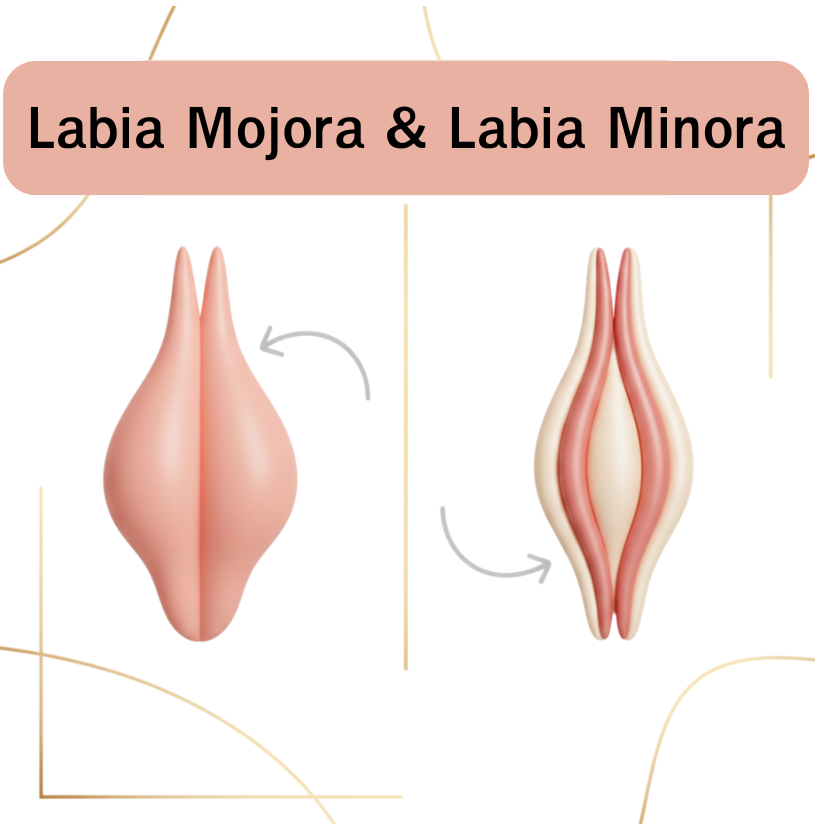
What Is the Difference Between the Labia Majora and Labia Minora?
Labia Majora
๐ The outer folds of the vulva
๐ Contain a layer of fatty tissue that helps cushion and protect the area
๐ Function to protect the internal genital structures
๐ With age or after childbirth, they may lose firmness or become slightly sagging
Labia Minora
๐ The inner folds located closer to the vaginal opening
๐ More delicate and sensitive
๐ Their size and shape vary naturally from person to person
๐ They may change after childbirth or due to hormonal fluctuations
What Causes Changes in the Labia?
Women between the ages of 30 and 55 may begin to notice changes in the appearance or texture of the labia due to several factors, including:
๐ Pregnancy and childbirth
๐ Aging
๐ Hormonal changes
๐ Weight fluctuations
๐ Friction from clothing or daily activities
These changes are completely normal. However, in some cases they may cause physical discomfort or affect personal confidence.
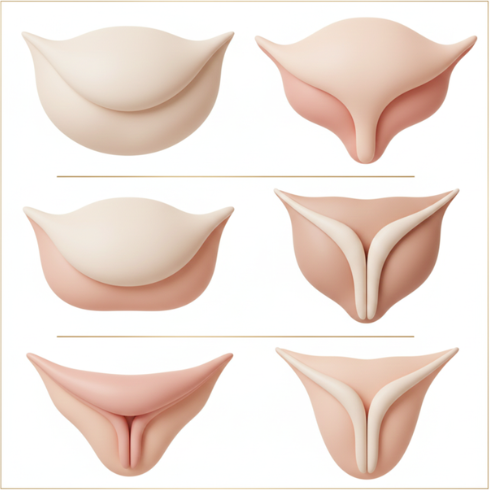
What Causes Changes in the Labia?
When Should You Seek a Medical Evaluation?
If you experience any of the following symptoms, it may be advisable to consult a qualified healthcare professional:
๐ Irritation or pain while walking, sitting, or exercising
๐ Pain or discomfort during sexual intercourse
๐ Persistent moisture, unpleasant odor, or recurring inflammation
๐ Concerns or loss of confidence related to the appearance of the intimate area
A medical evaluation can help determine whether these changes are part of normal anatomical variation or if there is an underlying condition that may require further care or treatment.
Privacy is at the heart of intimate care
Dr. Aomthong Clinic, a gynecology specialty clinic dedicated to understanding women’s health, places strong emphasis on:
๐ A calm and comfortable environment, with a sterile operating room that meets medical standards
๐ Thoughtful and understanding consultations, with treatment plans tailored to each individual’s needs
๐ Direct care from an experienced specialist, with the opportunity to receive private, personalized medical advice
Conclusion: Understanding the Labia Is the First Step Toward Confident Self-Care
The labia are not something to feel embarrassed about. They are a natural part of women’s health that deserves proper understanding and care. Consulting a qualified specialist in a private and comfortable environment can help you feel more at ease and confident in taking care of your body.
source : Dr.Aomthong Clinic
**Translated and compiled by ArokaGO Content Team
Independent Writer
Share this article
More Articles
Discover more insights on health care and medical tourism.

Best Hotel in Thailand for Medical and Wellness Travelers
Thailand is one of the world’s most attractive destinations for medical tourism, wellness travel, recovery stays, and health-focused holidays. For international travelers, choosing the best hotel in Thailand is not only about luxury or location. It is also about comfort, privacy, accessibility, wellness facilities, and the ability to support a smooth healthcare journey.

“Monkeypox” Currently Spreading in Thailand: A Thai Traditional Medicine Perspective
In today’s world, where we continue to face the spread of emerging and re-emerging infectious diseases such as monkeypox, understanding diseases through multiple perspectives can help us respond more comprehensively. Although classical Thai traditional medical texts do not directly describe “viruses,” as this body of knowledge was developed before the scientific discovery of microorganisms, the symptoms and characteristics of this disease can still be meaningfully interpreted through ancient Thai medical theory.

Wellness Tourism in Thailand | Why Travelers Come for More Than a Holiday
When people think about Thailand, beaches, street food, temples, and vibrant city life usually come to mind. But in recent years, something has changed. More travelers are arriving with a different purpose — not only to explore, but to improve their wellbeing, reduce stress, undergo preventive health screening, or simply take better care of themselves.