Why Do We Get Shorter as We Age?

Why Do We Get Shorter as We Age? Here Are 3 Ways to Help Prevent It
Did you know that once you reach your 40s, your height may begin to decrease by an average of about 1 centimeter every 10 years? This happens because the body is constantly undergoing changes in the bones, muscles, and joints. By the time people reach their 70s, height loss often becomes more noticeable and may progress more rapidly. One of the main reasons is compression of the spine, which is commonly associated with osteoporosis.
In some cases, a person may not feel any pain or notice any unusual symptoms, even when the spinal bones have already begun to collapse. In more severe cases, however, pain may occur at the site of the compression. If the affected bone presses on nearby nerves, it may lead to muscle weakness and, in serious situations, even partial paralysis.
That is why it is important not to wait until it is too late. If you notice that you have become more than 4 centimeters shorter compared with your younger years, or if your height continues to decrease year after year, you should consult a doctor to determine whether osteoporosis may be the cause.
Doctors at KDMS also recommend starting osteoporosis prevention early, even from a young age, through the following three approaches.

1. Consume Milk and Dairy Products Regularly
Calcium is essential for maintaining strong bones throughout life. Older adults are generally advised to choose low-fat or skim milk and to include foods rich in vitamin D, such as sea fish and egg yolks, to support calcium absorption and bone health.
2. Exercise Regularly
Regular exercise plays an important role in maintaining bone strength. Activities such as walking, running, cardio, aerobics, and various sports that involve body movement and weight transfer through the skeletal system can help stimulate and preserve bone density.
3. Practice Balance Training
Balance training is another important way to reduce the risk of falls and fractures later in life. Activities and exercises that involve movement and weight shifting, such as dancing, ballroom dancing, yoga, Pilates, ice skating, surf skating, or surfing, can improve balance and coordination while helping protect the bones as we age.
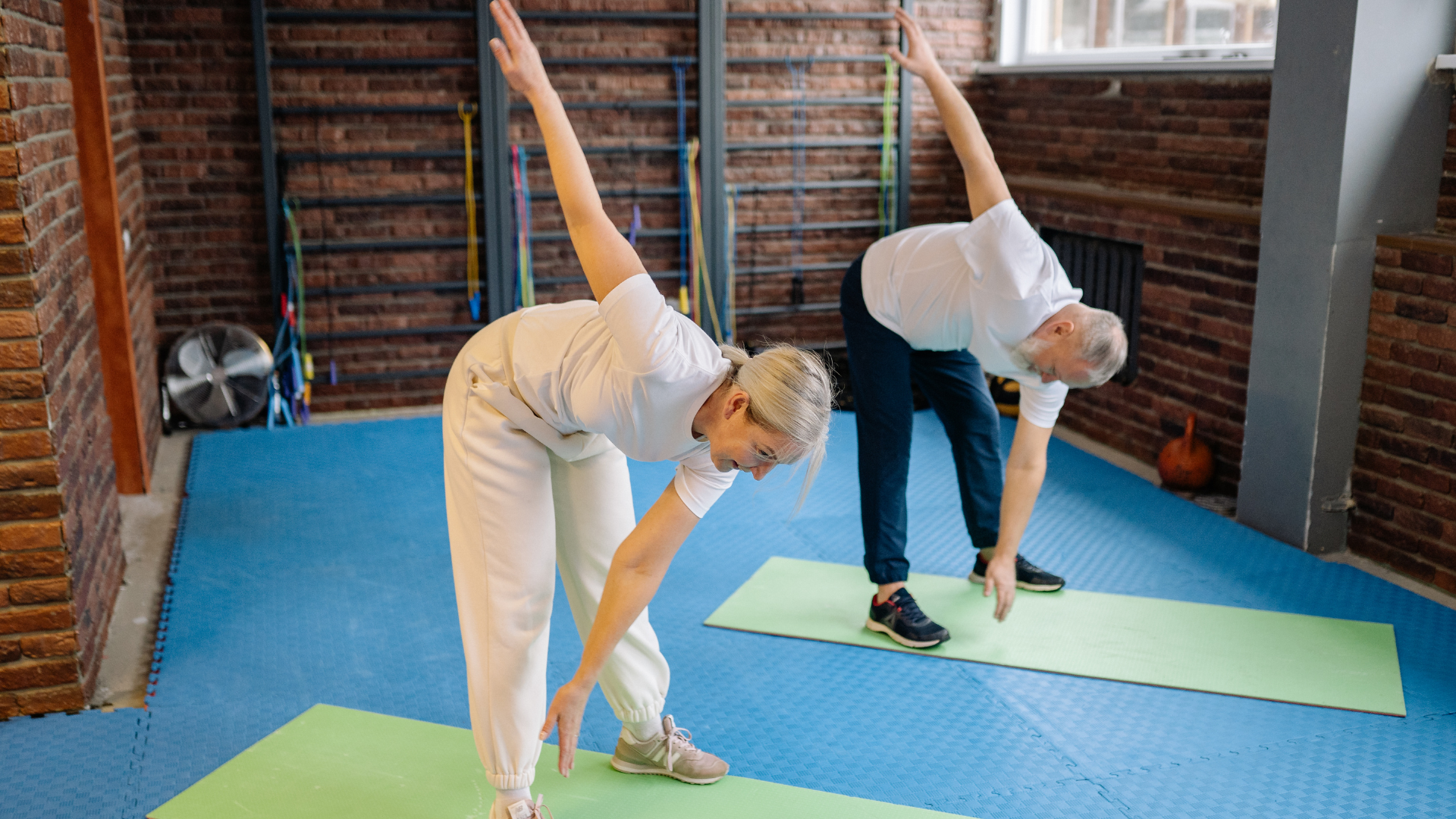
Start Taking Care of Your Bones Early
Once you enter your 30s, it is wise to begin protecting and nourishing your bones. Taking care of bone health early is far better than discovering osteoporosis later, when even a minor stumble or slip could result in a fracture.
source : KDMS Hospital
**Translated and compiled by ArokaGO Content Team
Independent Writer
Share this article
More Articles
Discover more insights on health care and medical tourism.

Blocked Fallopian Tubes + Poor Sperm A Twin Pregnancy Success Story.
Even with hydrosalpinx (fluid-filled, blocked fallopian tubes) combined with poor sperm quality, having a baby is still possible through IVF/ICSI. This is because the fertilization process bypasses the fallopian tubes entirely. However, before starting IVF, doctors often recommend surgically removing or clipping the affected fallopian tube to increase the chances of a successful pregnancy-just like this real case of a mother who finally conceived twins after a 3 year wait.

How Long Does ICSI Take? A Timeline from Your First Consultation to Pregnancy.
ICSI is one of the most popular assisted reproductive technologies for couples experiencing infertility. One of the most frequently asked questions is, “ How Long Does ICSI Take? ” or “How many months does ICSI take before knowing the result?” The answer is not simply one fixed number, but depends on several medical factors and each individual’s response to treatment.

How Long Can Frozen Eggs Be Stored and When Should They Be Used?
How Long Can Frozen Eggs ? This is an important question for anyone who is not yet ready to have children and is planning to use their eggs in the future. Frozen eggs can be stored for many years under appropriate conditions. However, deciding when to use them requires consideration of your age at egg retrieval, your health when you plan to become pregnant, and the terms of your storage agreement. Understanding these different factors can help you make a clearer plan for having children.