Ceramic Implants from a Biological Dentistry Perspective
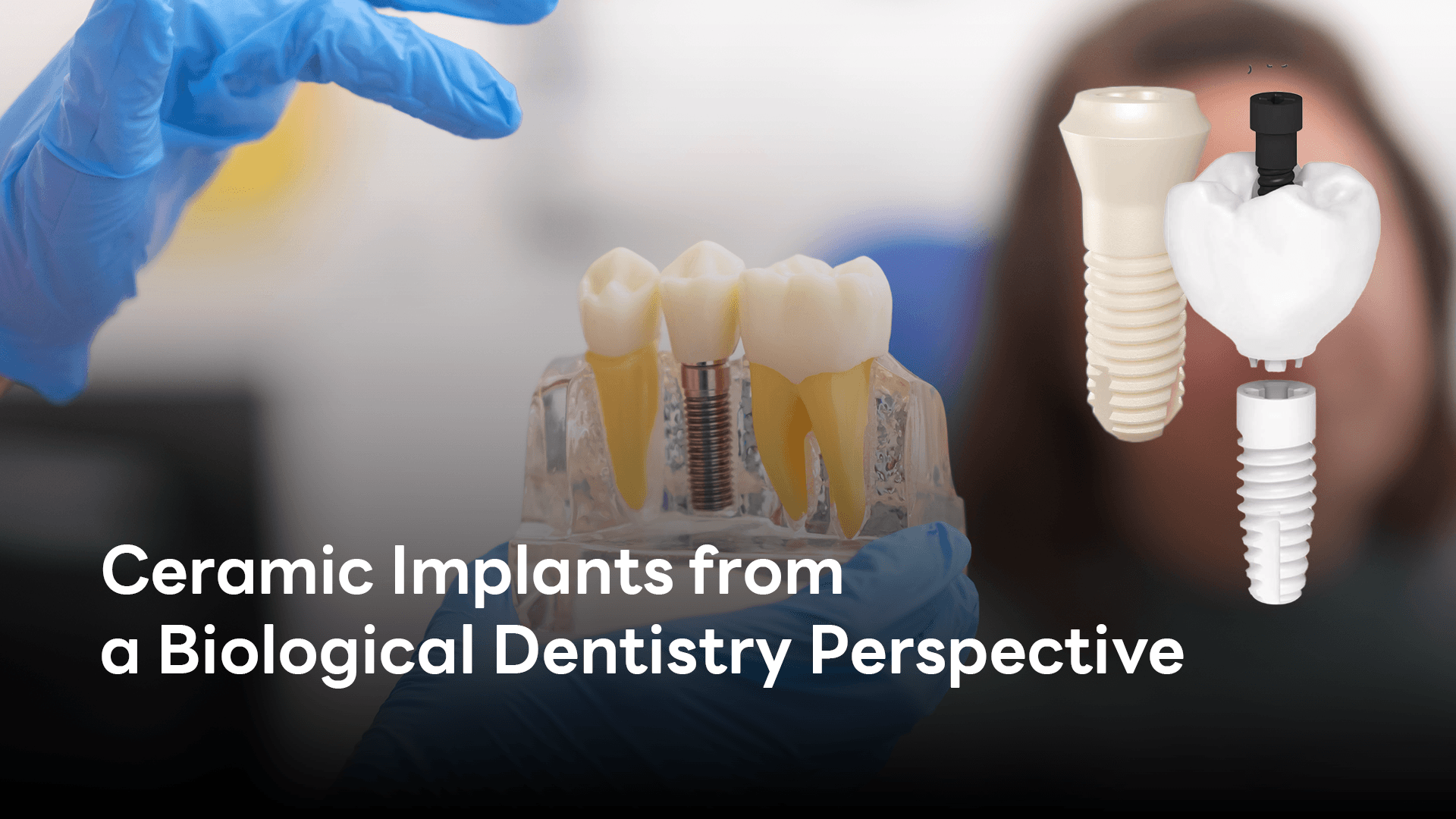
According to the principles of Biological Dentistry, our primary focus is on the overall health of the patient. The materials we choose for treatment must therefore have high biocompatibility, not cause allergies, or have long-term harmful side effects on the body. One material that excellently meets this approach for restoring lost teeth is "Ceramic Dental Implants."
What are Ceramic Dental Implants?
Ceramic dental implants are generally made from a material called Zirconia, which is a type of ceramic material that is strong, durable, and importantly, "100% metal-free." This is different from traditional dental implants which are usually made of Titanium.
The zirconia used to produce dental implants is a crystalline form of zirconium dioxide (ZrO₂) that undergoes a dental manufacturing process to achieve high purity. It is as strong as, or sometimes stronger than, titanium, allowing it to withstand chewing forces effectively.
Advantages of Ceramic Dental Implants from a Biological Dentist's Perspective
From a biological dentist's perspective, ceramic dental implants have several interesting advantages that positively impact the patient's oral health and overall well-being. These include:
• High Biocompatibility: This is the core principle we emphasize. Zirconia is a highly bioinert material. It does not react with body tissues, does not cause allergies, or inflammation in patients sensitive to metals, which can be a concern with titanium implants. This makes ceramic implants a very safe and suitable option for patients who wish to avoid metals in their body.
• 100% Metal-Free: The absence of metal components reduces the risk of galvanic reactions in the mouth, which can sometimes occur when different metals are present in a moist environment. Furthermore, being metal-free aligns with the principles of biological dentistry, which emphasizes the use of materials that are friendly to the body's ecosystem.
• Natural Aesthetics: Ceramic implants are white, similar to the color of natural teeth, unlike titanium implants which are gray. In some cases, especially in patients with thin gums, the gray color of the implant may show through the gum tissue, which is not aesthetically pleasing. Ceramic implants do not have this issue, resulting in a more beautiful and natural dental restoration.
• Healthier Peri-implant Tissues: Research indicates that gum tissue responds well to the ceramic surface. There is a lower tendency for inflammation and bleeding around ceramic implants compared to titanium implants. Additionally, the ceramic surface has a lower tendency to accumulate plaque, which reduces the risk of peri-implantitis, a complication that can lead to implant failure.
• Excellent Osseointegration: Zirconia ceramic can integrate effectively with the jawbone, similar to titanium. The process of bone healing around the implant (Osseointegration) proceeds well, providing stability and strength for supporting the dental prosthesis.
• Strength and Durability: Despite being a ceramic material, zirconia is very strong and can withstand chewing forces in the mouth effectively. It is resistant to corrosion and does not degrade when exposed to various conditions in the mouth, resulting in a long lifespan with proper care.
• Reduced Electrical and Thermal Conductivity: Ceramic does not conduct electricity or heat, which may help reduce tooth sensitivity or discomfort caused by temperature changes in the mouth for some individuals.
In conclusion, from a biological dentist's perspective, ceramic dental implants are an interesting option with several advantages, particularly regarding biocompatibility, natural aesthetics, and promoting the health of the tissues around the implant. This makes it a dental restoration that aligns with the principles of holistic health care. However, determining the most suitable type of dental implant for each individual still requires examination, diagnosis, and recommendations from a qualified dentist, considering factors such as jawbone condition, overall oral health, and the patient's needs.
If you are looking for an option to restore missing teeth and are interested in a biological dentistry approach, consulting with a biological dentist about ceramic dental implants will be an important step in making a decision for your long-term health.
Source: https://www.medtopiadental.com
Medtopia Holistic Dental Clinic
Share this article
More Articles
Discover more insights on health care and medical tourism.

Top 4 Romantic Beachfront Resorts in Samui with Private Pool Villas
Discover the top 4 romantic beachfront resorts in Samui with private pool villas. Explore luxury retreats like Melati Beach Resort & Spa and Chaweng Regent.

MTF Gender Affirmation Surgery at Asia Cosmetic Hospital: Options, Preparation, and Recovery
Choosing male-to-female gender affirmation surgery involves more than selecting a technique or scheduling an operation. Understanding the potential outcomes, limitations, risks, and aftercare can help you consider whether treatment fits your goals and circumstances.

9 Plastic Surgery Hospitals and Aesthetic Centers in Thailand to Explore on ArokaGO
Finding a plastic surgery hospital in Thailand often begins with a procedure in mind: a facelift, breast lift, rhinoplasty, or body contouring. Choosing where to receive treatment, however, involves more than reviewing photographs and comparing prices. Surgeon qualifications, treatment options, the actual treatment location, and postoperative care all deserve attention.