Cystitis: A Painful Condition Common Among Office Workers

The bladder is a balloon-shaped organ located behind the pubic bone within the pelvic cavity. Its main function is to store urine, typically holding about 350–500 milliliters.
The bladder wall is made up of smooth muscle. As urine accumulates, the bladder wall expands and later contracts to release urine through the urethra as part of the body’s natural mechanism. Normally, this process does not cause pain or a burning sensation.
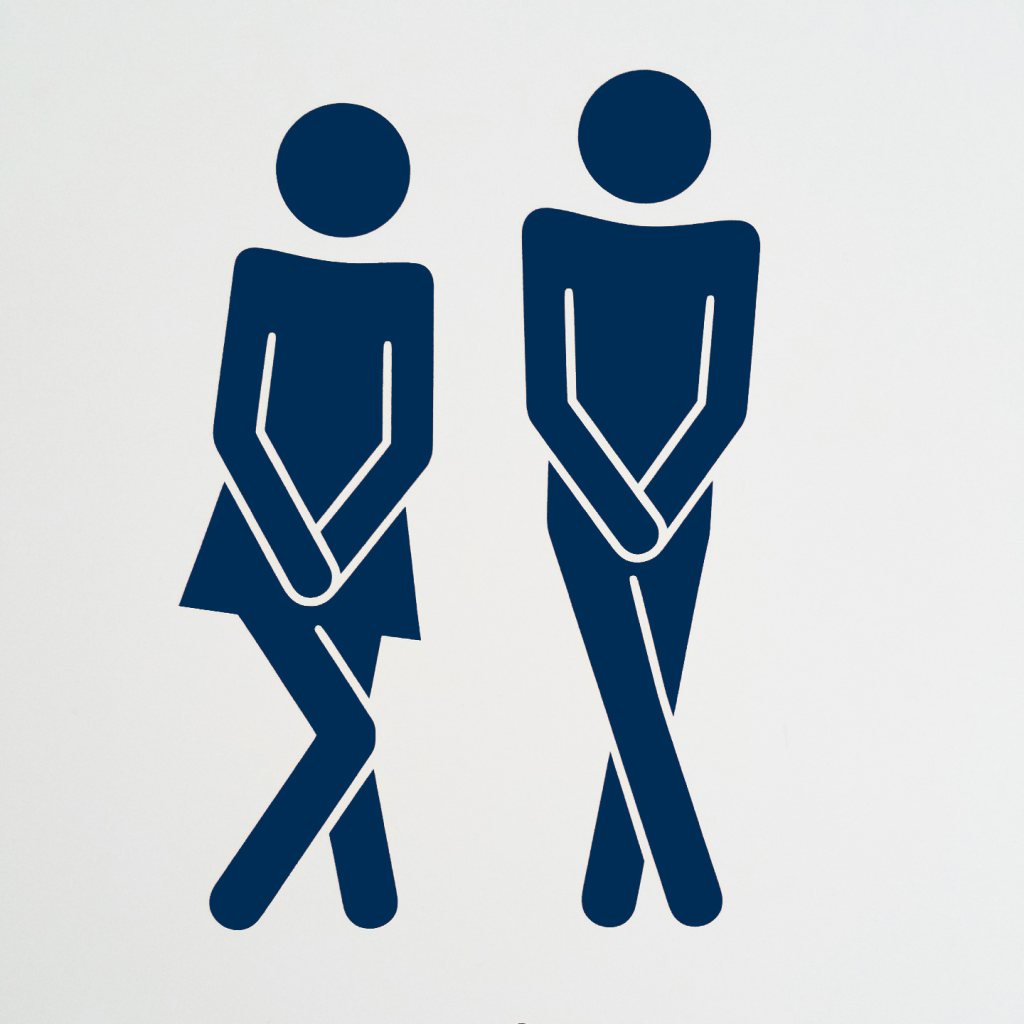
What Causes Cystitis?
Cystitis, or inflammation of the bladder, is most commonly caused by a urinary tract infection (UTI). It occurs more frequently in women than in men because women have a shorter urethra, making it easier for bacteria to reach the bladder.
Other possible causes include:
๐ Frequently holding urine for long periods
๐ Abnormal structure of the urinary tract
๐ Urinary tract stones
๐ A weakened immune system
Symptoms of Cystitis
Common symptoms include:
1. Frequent urination, more than 10 times per day, often including nighttime urination
2. Burning or painful urination, or the feeling that the bladder is not completely empty
3. Pain or sharp discomfort at the end of the urethra after urination
4. In some cases, blood in the urine
Diagnostic Methods
Doctors may diagnose cystitis using the following methods:
1. Medical history and physical examination
2. Urinalysis to detect bacteria, white blood cells, or blood
3. Urine culture if a severe infection is suspected
4. In chronic or severe cases, additional tests may include:
๐ Cystoscopy (urinary tract endoscopy)
๐ X-ray or ultrasound imaging
๐ Biopsy for laboratory examination
Treatment Options
In most cases, doctors prescribe antibiotics for about 3–5 days.
If symptoms are severe or complications occur, treatment may be extended to 7–10 days, depending on the physician’s clinical judgment.
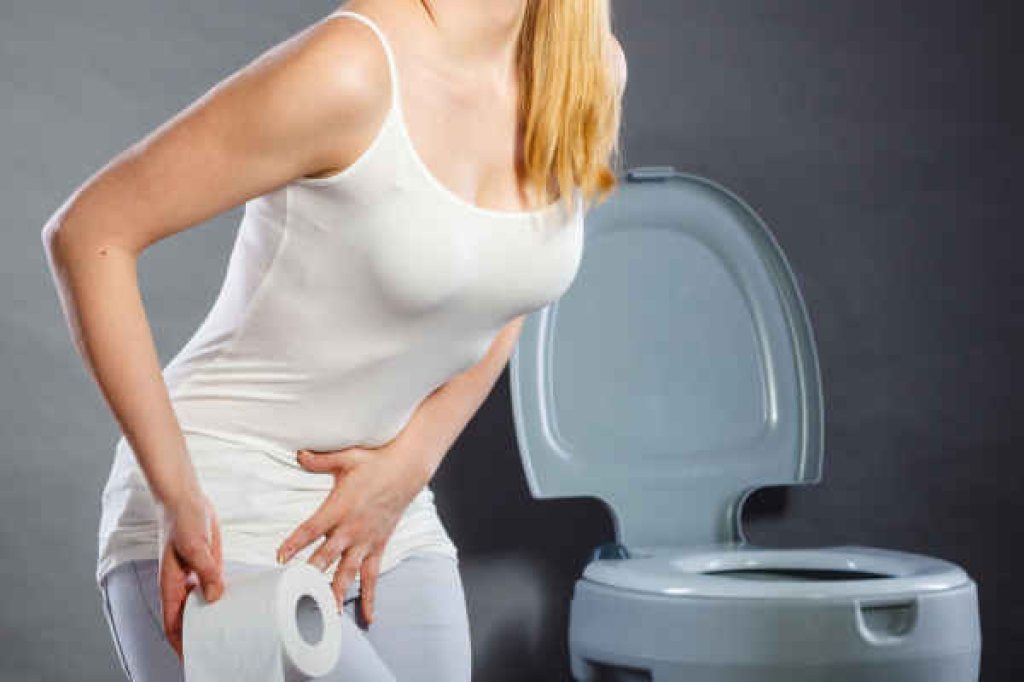
How to Prevent Cystitis
1. Avoid holding urine for long periods
2. Drink at least 8–10 glasses of water per day
3. Maintain proper genital hygiene
๐ Women should wipe from front to back
4. Urinate and clean the genital area after sexual intercourse
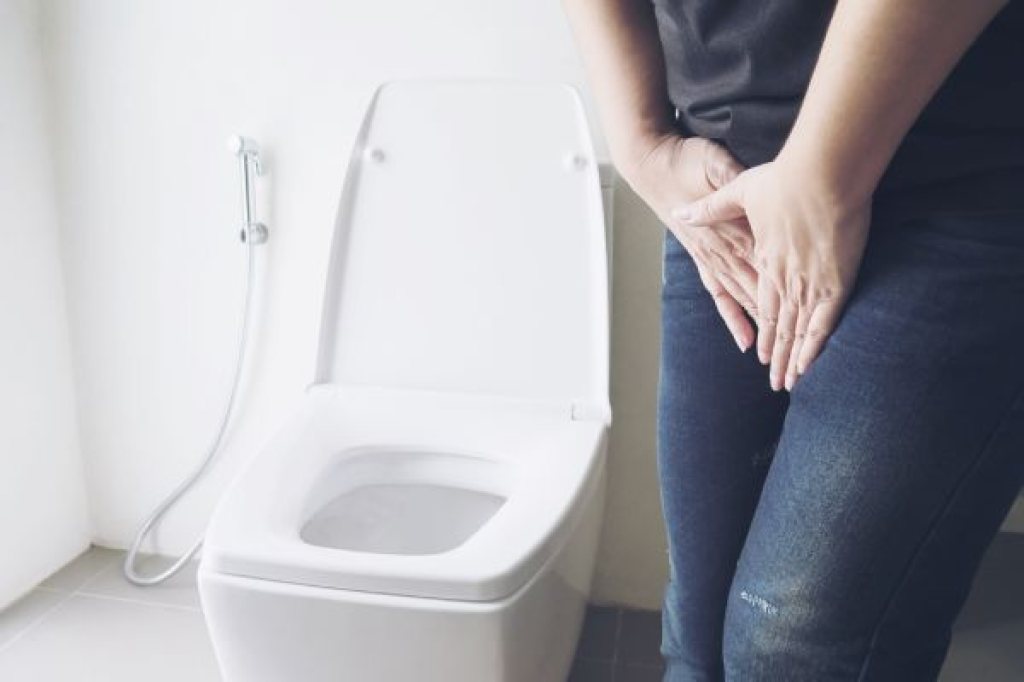
If you experience abnormal symptoms such as burning during urination, difficulty urinating, or frequent urination, you should consult a urology specialist as soon as possible. Early diagnosis and treatment can help prevent the infection from worsening and reduce the risk of complications in the future.
Source : Thonburi Rajyindee Hospital
**Translated and compiled by ArokaGO Content Team
Independent Writer
Share this article
More Articles
Discover more insights on health care and medical tourism.

Best Hotel in Thailand for Medical and Wellness Travelers
Thailand is one of the world’s most attractive destinations for medical tourism, wellness travel, recovery stays, and health-focused holidays. For international travelers, choosing the best hotel in Thailand is not only about luxury or location. It is also about comfort, privacy, accessibility, wellness facilities, and the ability to support a smooth healthcare journey.

“Monkeypox” Currently Spreading in Thailand: A Thai Traditional Medicine Perspective
In today’s world, where we continue to face the spread of emerging and re-emerging infectious diseases such as monkeypox, understanding diseases through multiple perspectives can help us respond more comprehensively. Although classical Thai traditional medical texts do not directly describe “viruses,” as this body of knowledge was developed before the scientific discovery of microorganisms, the symptoms and characteristics of this disease can still be meaningfully interpreted through ancient Thai medical theory.

Wellness Tourism in Thailand | Why Travelers Come for More Than a Holiday
When people think about Thailand, beaches, street food, temples, and vibrant city life usually come to mind. But in recent years, something has changed. More travelers are arriving with a different purpose — not only to explore, but to improve their wellbeing, reduce stress, undergo preventive health screening, or simply take better care of themselves.