Exercise for Older Adults with Osteoporosis
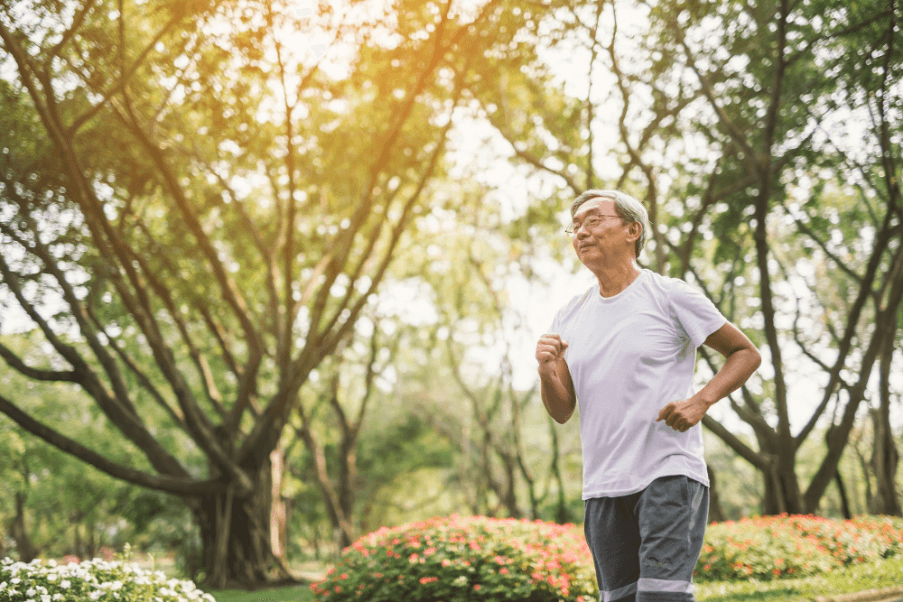
Exercise not only helps slow the progression of osteoporosis, but also strengthens muscles and bones while reducing the risk of falls. Recommended exercises for older adults include:
1. Weight-bearing exercises
Examples include brisk walking and light jogging, which help strengthen bones and lower the risk of osteoporosis. It is recommended that older adults exercise for 20–30 minutes per day, 3–5 times a week. Jumping or high-impact activities should be avoided, as they may negatively affect the knees, especially in those with osteoarthritis.
2. Light weightlifting
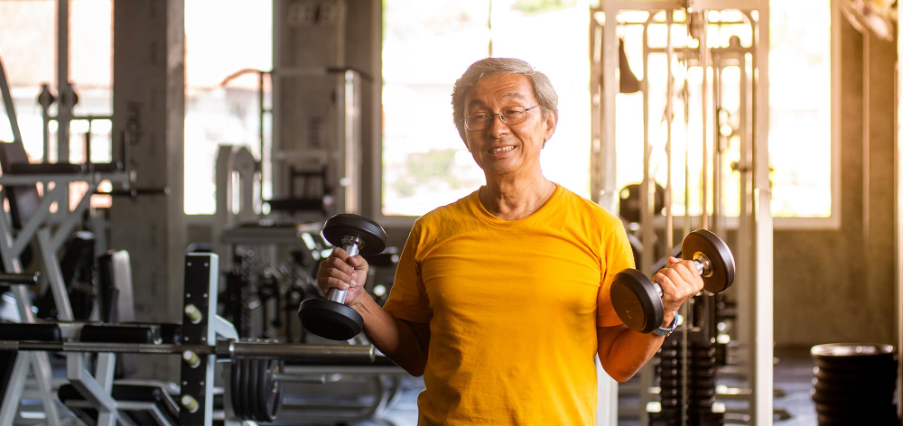
Using light weights, around 3–5 kilograms, helps strengthen muscles and bones. Avoid holding your breath or straining excessively during lifting. Older adults with underlying medical conditions should consult a doctor before starting weight training.
3. Exercises to strengthen back muscles
The spine in older adults is prone to degeneration and collapse due to osteoporosis, which may lead to kyphosis (curved back), chronic back pain, and spinal deformity. Strengthening back muscles helps support the spine, improve bone strength, and reduce back pain.
-
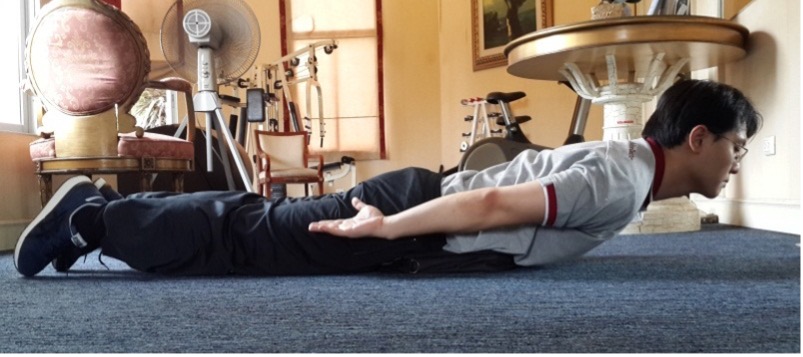
3.1. Upper back muscles: Lie flat with a pillow under the waist, arms at the sides. Lift the head and chest slightly while squeezing the shoulder blades together.
-
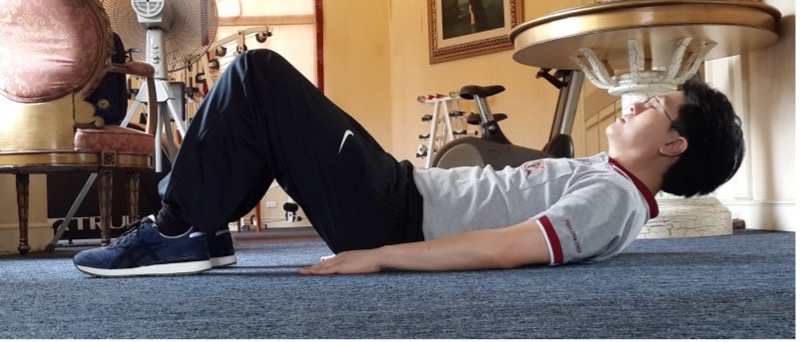
3.2. Abdominal muscles: Lie flat with knees bent, arms at the sides. Lift the head slightly while contracting the abdominal muscles.
-
3.3. Lower back muscles: While lying flat, bend one knee and lift the thigh so that it aligns with the torso.
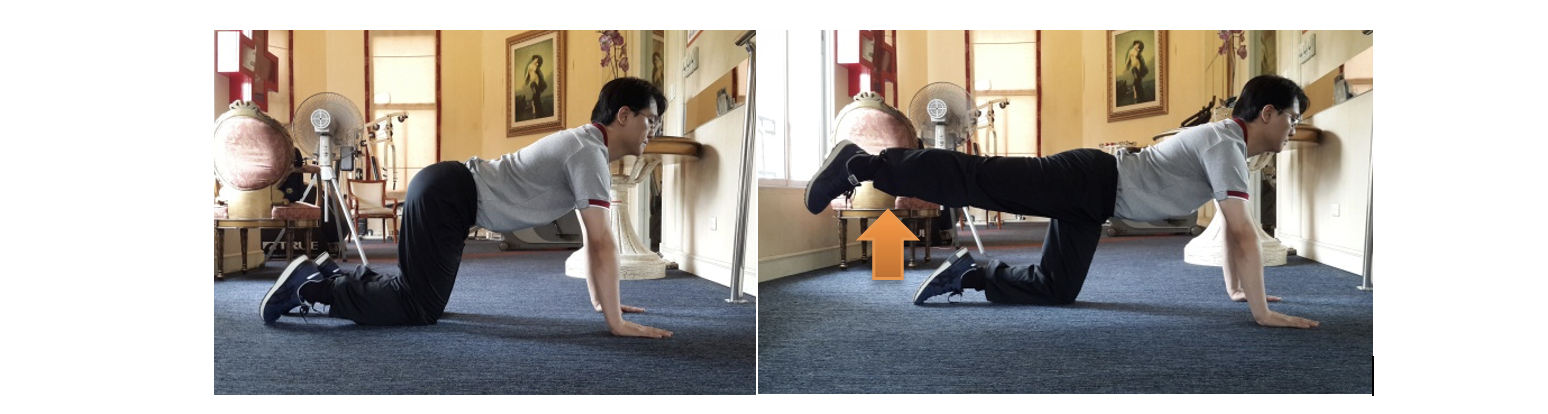
4. Muscle-strengthening exercises
-
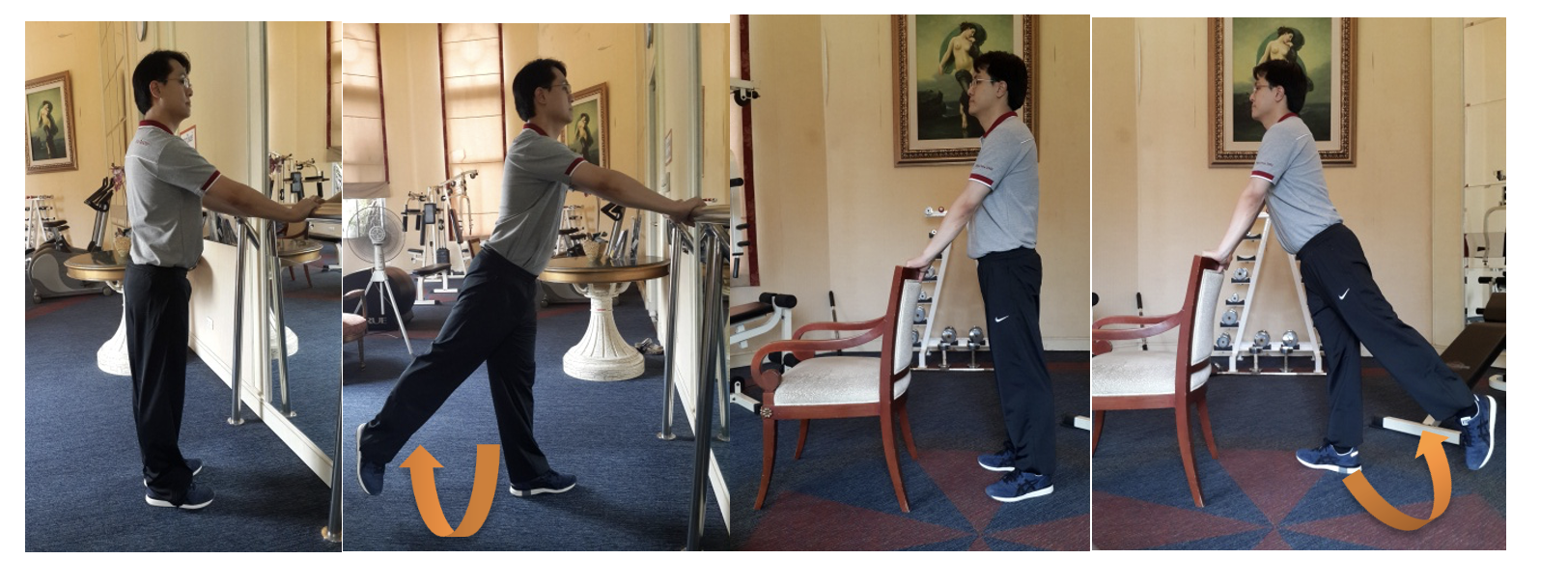
4.1. Hip extensor muscles: Stand while holding onto a rail or chair, extend one leg backward 10 times per side.
-
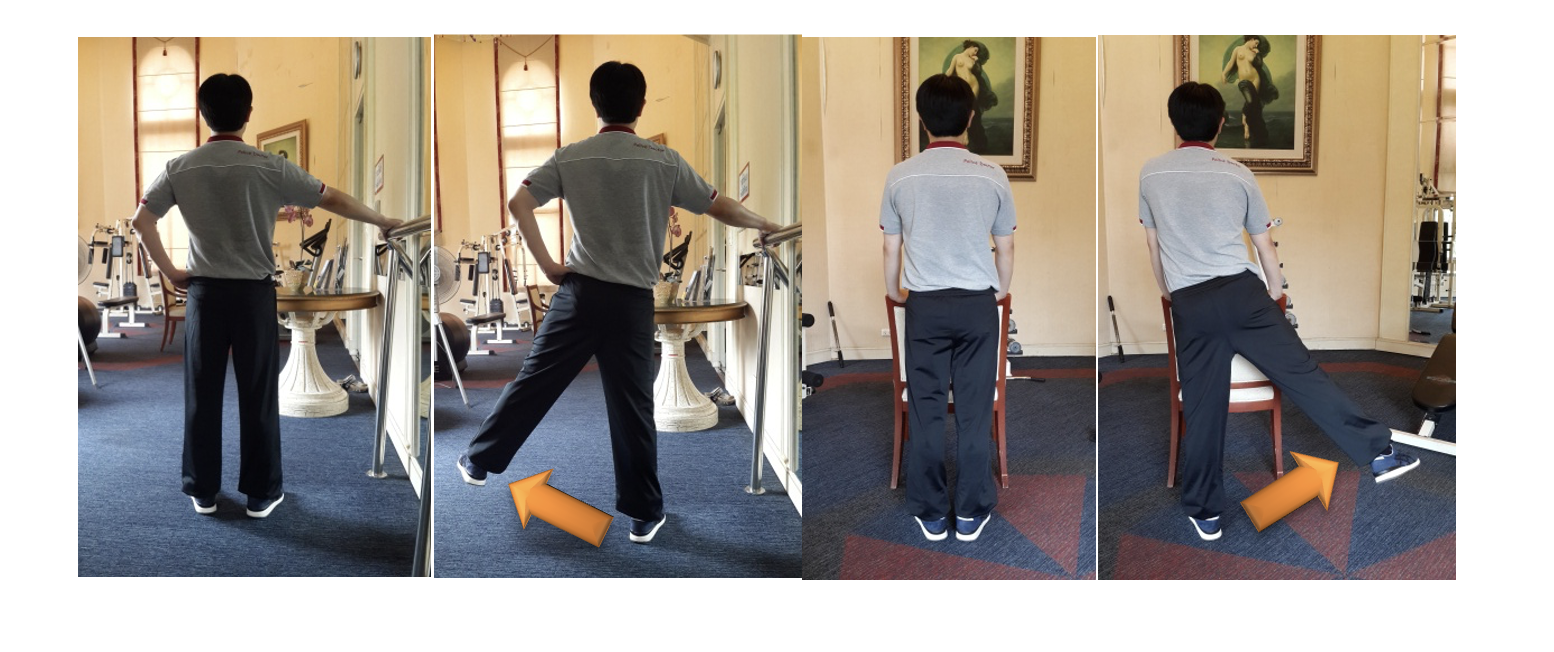
4.2. Hip abductor muscles: Stand while holding onto a rail or chair, move one leg outward to the side 10 times per side.
-
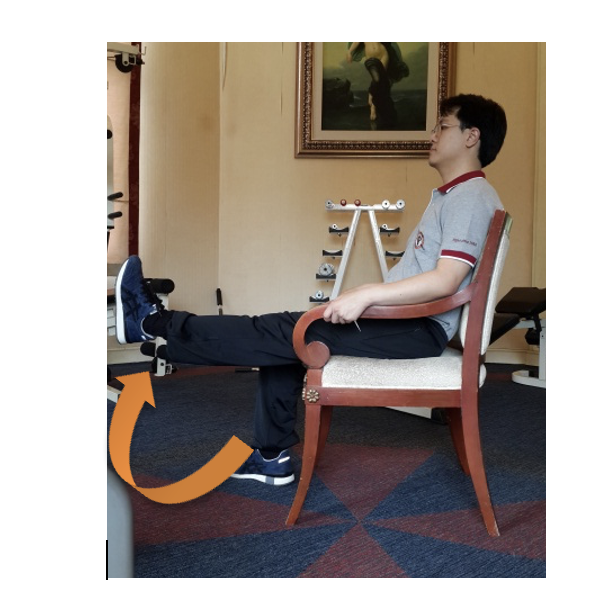
4.3. Knee extensor muscles: Sit on a chair with back support, straighten one knee and hold for 10 seconds, then slowly lower. Alternate 10 repetitions per leg.
-
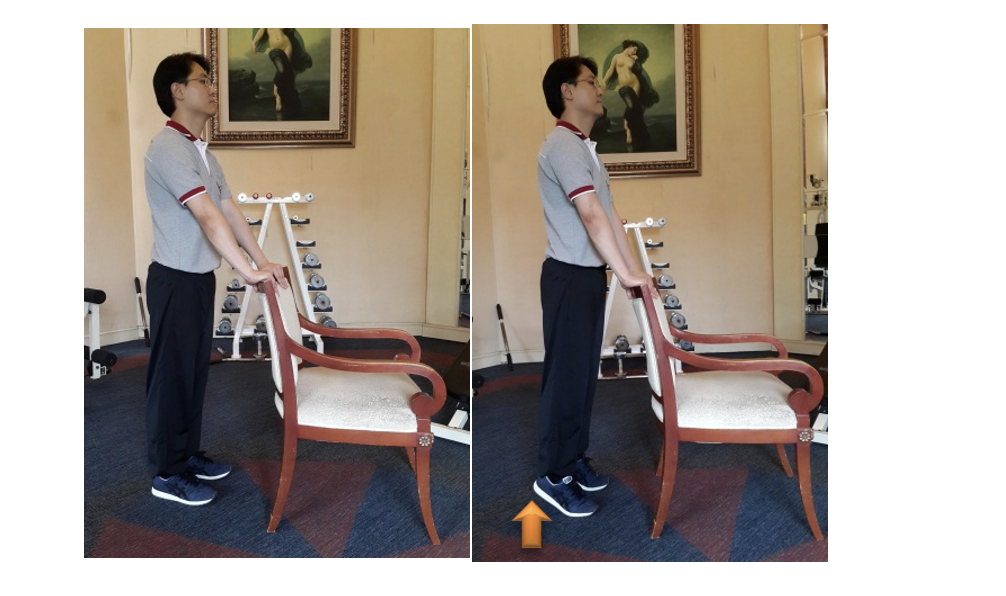
4.4. Calf muscles and Achilles tendon: Alternate standing on the heels 10 times and on the toes 10 times.
5. Balance-training exercises
These are crucial yet often overlooked. Balance training helps improve stability and reduces the risk of falls.
-
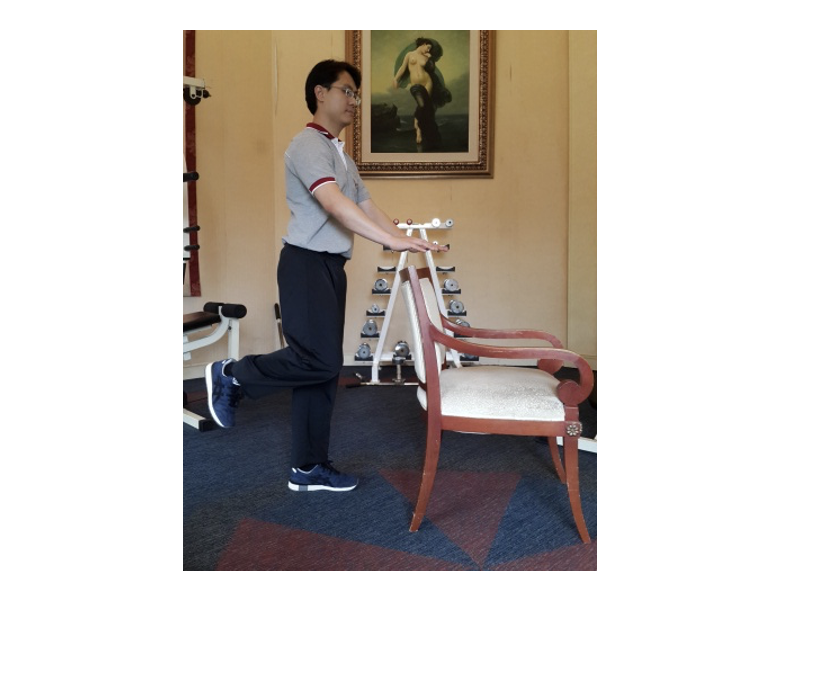
5.1. Standing on one leg for 2 minutes: In the beginning, hold onto a rail or chair for safety to prevent falls.
-
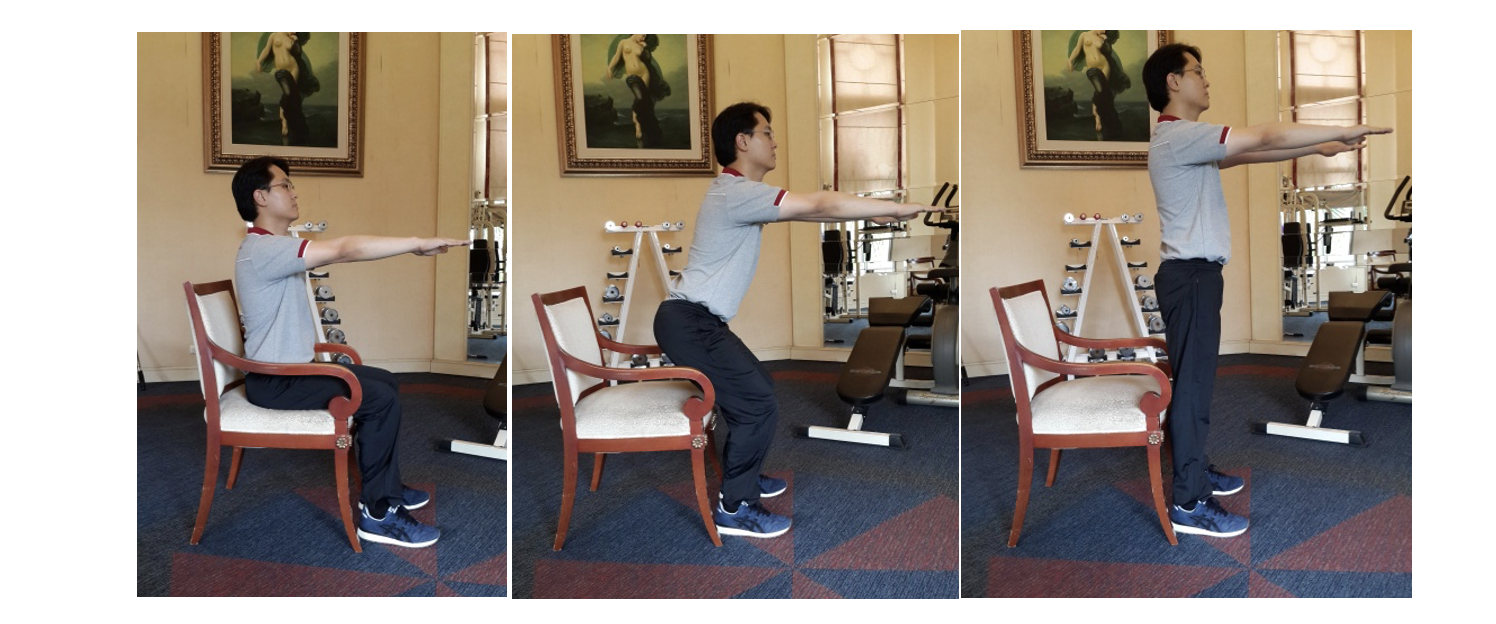
5.2. Sit-to-stand exercise: Sit on a chair with your back straight, arms extended forward, and feet flat on the floor about 1 foot apart. Slowly lean forward and rise to a standing position, then gradually lower yourself back to sitting. Repeat 10–20 times.
Precautions for Exercise
-
Rest 1–2 minutes between exercises to avoid excessive fatigue.
-
Older adults with rheumatoid arthritis or osteoarthritis should lift weights only within pain-free ranges of motion.
-
If muscle pain occurs, stop exercising until the discomfort subsides.
-
Stop exercising immediately if dizziness, chest pain, or shortness of breath occurs.
-
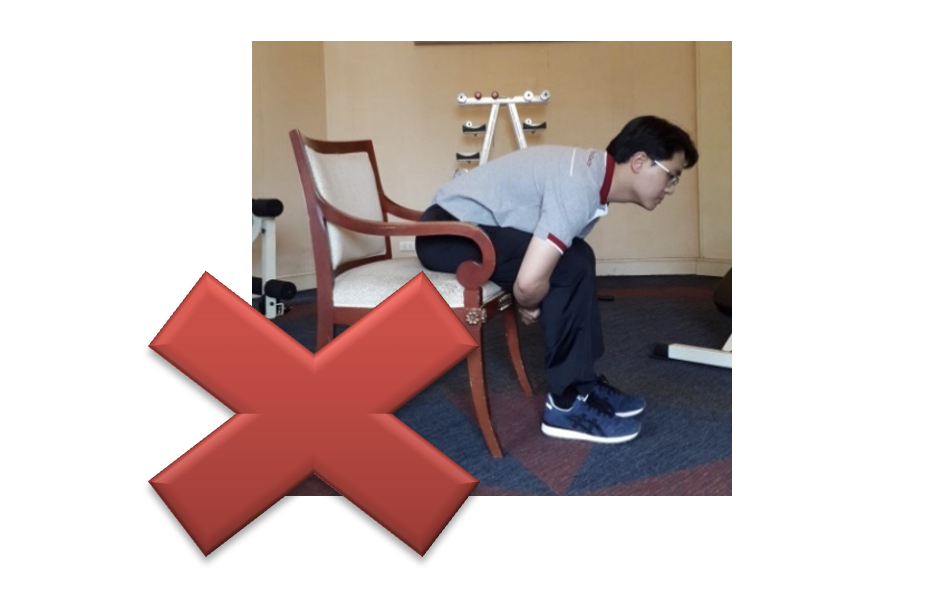
Avoid exercises that involve excessive spinal flexion, such as bending forward or yoga poses that require rounding the back, as they may worsen osteoporosis-related spinal issues.
Source: DoctorWat
Note: Translated and compiled by ArokaGO Medical Content Team.
Police General Hospital
Share this article
More Articles
Discover more insights on health care and medical tourism.

Difference Between “General Massage” and “Anatomy & Wellness Massage”
Anatomy & Wellness Massage combines relaxation with an understanding of muscle structure and body balance. It helps relieve tension, muscle pain, and stiffness, restore movement, and address the root causes of discomfort. Suitable for people with Office Syndrome or chronic muscle pain.

Songkran Warning: How to Prevent and Handle “Shoe Suction” Injuries During Water Festival Celebrations
As Thailand celebrates Songkran, many festival-goers are enjoying water splashing in the streets, but one surprisingly common issue keeps returning every year, the so-called “shoe suction” problem, when wet slip-on sandals or rubber shoes become stuck tightly to the foot or ankle after prolonged exposure to water.

Office Syndrome: A Common Health Problem Among Modern Workers
In an era when working in front of a computer has become part of everyday life, Office Syndrome has emerged as one of the most common health concerns among working-age adults.