Healing Paws: How Pets Improve Our Health

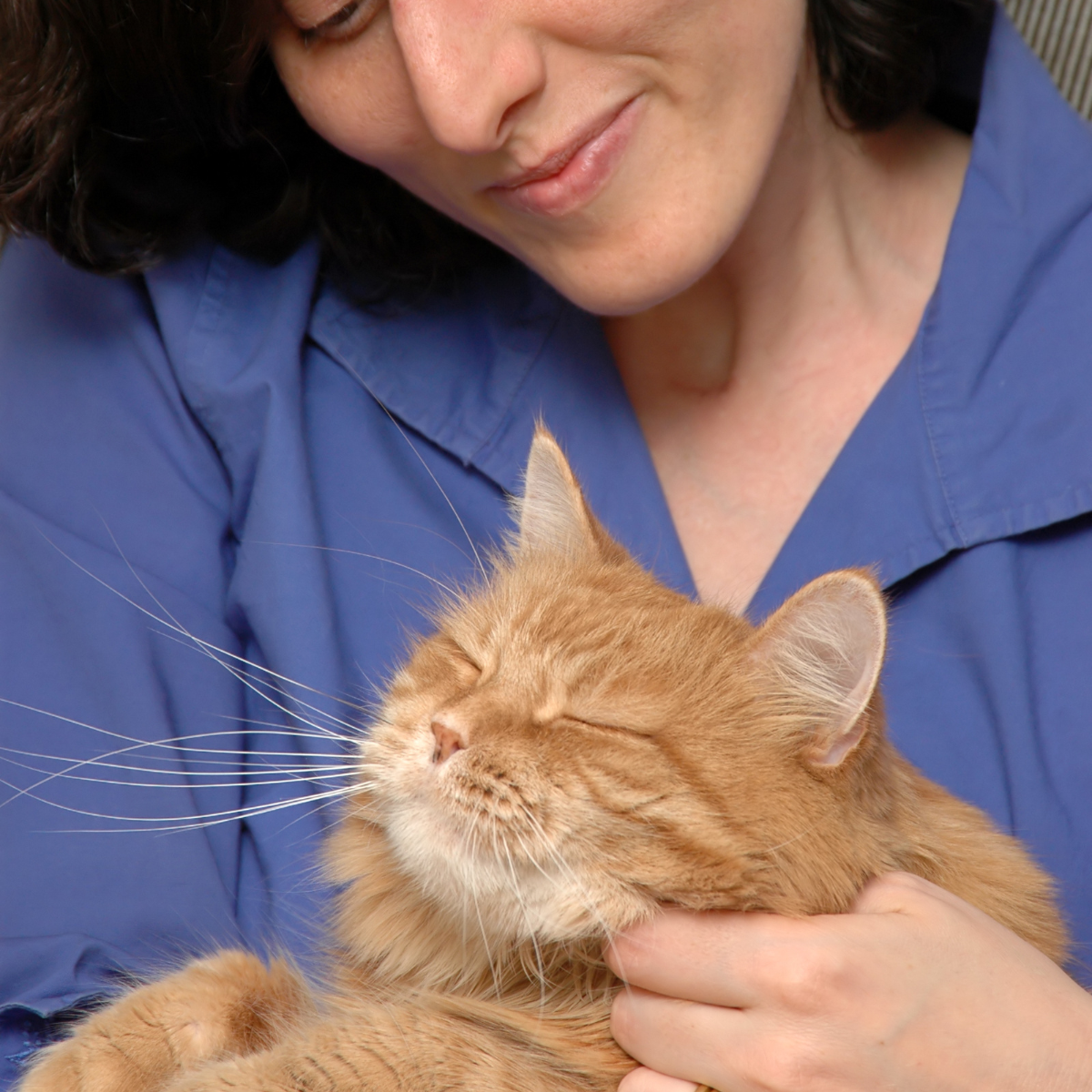
It is widely recognized that nowadays, people are increasingly interested in keeping pets as companions. This trend is evident from the growing expansion of pet-related businesses (Zhang et al., 2022). One contributing factor to this rise in pet ownership may be the positive effects pets have on both physical and mental health. Studies have reported that having a pet can help reduce stress and positively impact human health in various aspects (McConnell et al., 2011). For example, pet ownership has been linked to increased physical activity (Li et al., 2024) and enhanced social interaction, which contributes to a better quality of life (Antonscopoulos & Pyctyl, 2014).
Nowadays, pets are increasingly being integrated into formal health promotion approaches to enhance both physical and mental well-being. Research has shown that pet therapy, or animal-assisted therapy, offers significant benefits across diverse populations, including the elderly, various patient groups, as well as children and adolescents.
Elderly Individuals
Pet therapy has been shown to reduce symptoms of depression in older adults (Moretti et al., 2011), lower blood pressure and heart rate (Krause-Parello & Kolassa, 2016), and alleviate feelings of loneliness among elderly residents in long-term care facilities (Banks & Banks, 2002).
Various Patient Groups
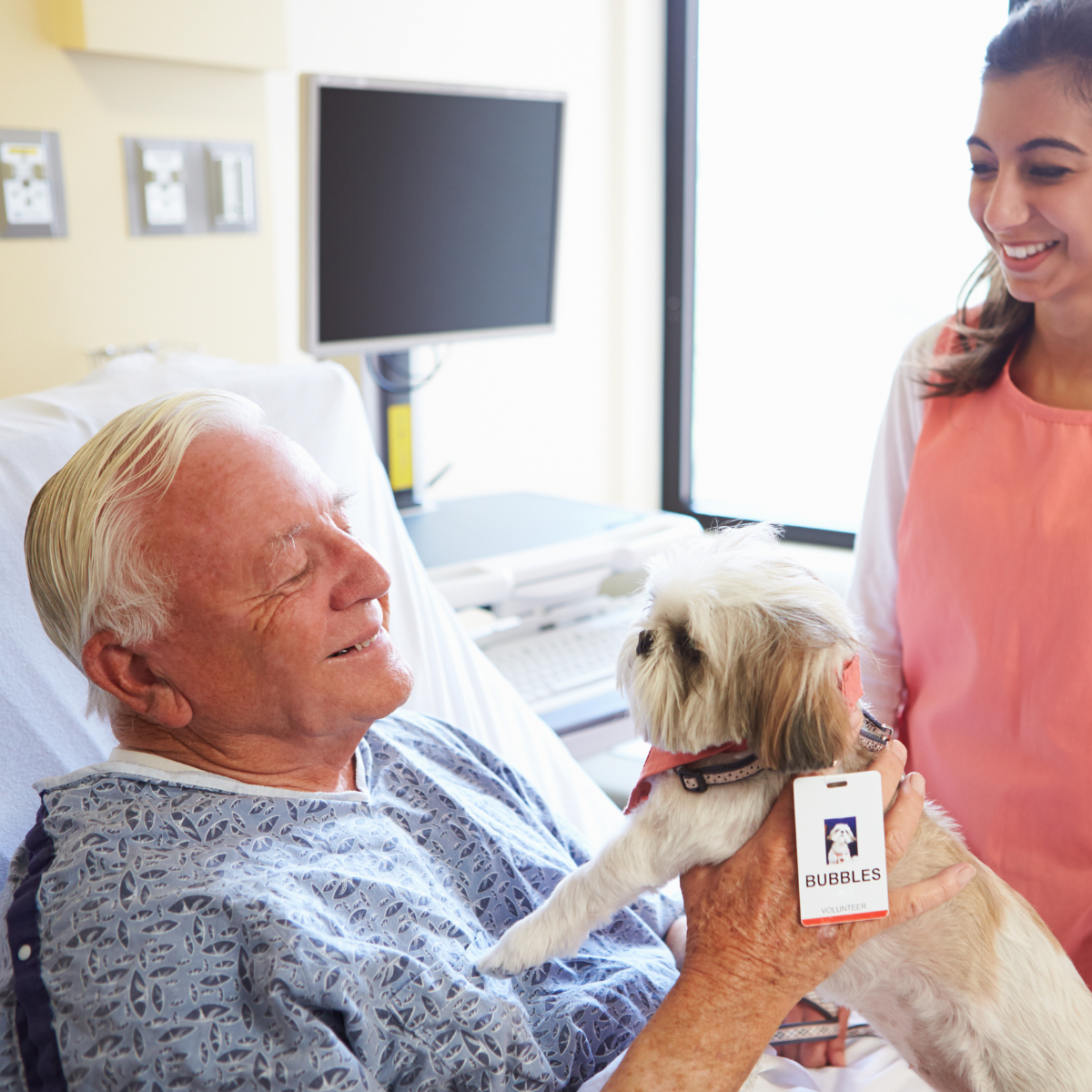
Pet therapy has also been beneficial for various patient populations, such as cancer patients undergoing chemotherapy (Orlandi et al., 2007), individuals with neurological disorders (Boldig & Butala, 2021), patients with Alzheimer's disease (Kongable et al., 1989), and hospitalized patients during recovery (Coakley & Mahoney, 2009).
Children and Adolescents
Among children and youth, pet therapy has been found to reduce pain in children aged 5–18 years (Sobo et al., 2006), promote positive emotions and reduce anxiety in hospitalized children (Kaminski et al., 2002; Hinic et al., 2019), support social interaction in first-year university students (Adamle et al., 2005), and ease pre-exam anxiety in school-aged students (Young, 2012).

In addition, studies have shown that interacting with a pet for as little as five minutes can significantly reduce stress levels (Khalid & Dildar, 2019). Pet ownership has also been associated with a reduced risk of stress-related physical disorders (Langgartner et al., 2025). One study suggests that the presence of a pet may help lower stress by decreasing activity in brain regions associated with stress responses (Sugawara et al., 2012).
However, while pets can provide therapeutic benefits for both physical and mental health, pet-assisted therapy also presents certain limitations—particularly in terms of hygiene and health risks. Animals can potentially act as carriers of zoonotic diseases, including bacterial infections, leptospirosis, and various internal and external parasites. Additionally, it is important to consider the potential for allergic reactions among therapy recipients, such as pet hair allergies.
Therefore, when using animals for therapeutic purposes, appropriate hygiene management is essential, along with thorough assessment and mitigation of potential risks. The process of selecting therapy animals should be systematic and carefully planned, taking into account factors such as species, breed, and individual animal temperament. Proper preparation and management help minimize risks and ensure that the therapy process benefits both the recipient and the animal involved to the greatest extent possible.
Translated and compiled by ArokaGO Content Team
Source:TLWA
Share this article
More Articles
Discover more insights on health care and medical tourism.

Songkran Warning: How to Prevent and Handle “Shoe Suction” Injuries During Water Festival Celebrations
As Thailand celebrates Songkran, many festival-goers are enjoying water splashing in the streets, but one surprisingly common issue keeps returning every year, the so-called “shoe suction” problem, when wet slip-on sandals or rubber shoes become stuck tightly to the foot or ankle after prolonged exposure to water.

Office Syndrome: A Common Health Problem Among Modern Workers
In an era when working in front of a computer has become part of everyday life, Office Syndrome has emerged as one of the most common health concerns among working-age adults.

Urine does not flow, cannot hold urine
Urine does not flow, cannot hold urine, check urgently before it becomes an enlarged prostate or BPH (Benign Prostate Hyperplasia).