Non-Pharmacological Management of Osteoporosis
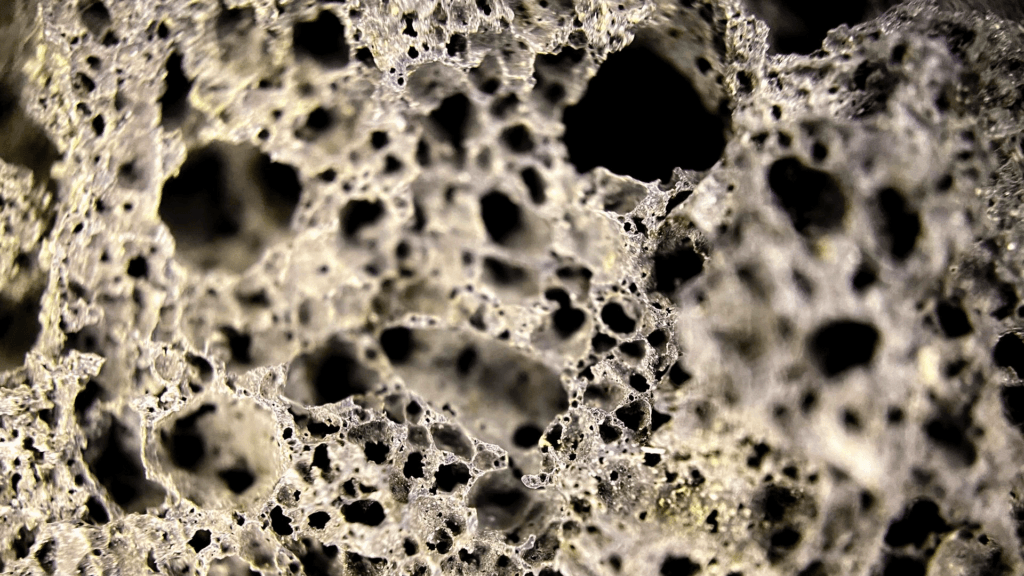
Non-drug treatment and behavioral modification are fundamental approaches in managing osteoporosis. These methods help maintain bone strength, slow down bone loss, reduce the risk of falls, and prevent fractures in the future. Therefore, behavioral modifications should be recommended for older adults, especially those diagnosed with osteoporosis, as follows:
1. Calcium Intake:
Adults over the age of 50 and postmenopausal women should consume approximately 1,000 mg of calcium per day. Emphasis should be placed on consuming calcium-rich foods such as low-fat dairy products, leafy green vegetables, small dried shrimp, and small fish. Calcium supplements should be considered for patients who may not get enough calcium from their diet due to reasons such as lactose intolerance or chewing difficulties. Patients who are already receiving osteoporosis medications should also take calcium supplements.

2. Vitamin D Intake:
Vitamin D deficiency can reduce calcium absorption, worsen osteoporosis, increase the risk of falls and fractures, and decrease the effectiveness of osteoporosis medications. Natural sources of vitamin D come from two main areas: sunlight (through skin synthesis) and certain foods such as eggs, mushrooms, legumes, and fish. However, these sources are often insufficient. The recommended daily intake of vitamin D for Thais is 600–800 IU. Therefore, supplementation is recommended for osteoporosis patients with potentially low vitamin D levels, aiming to maintain serum 25(OH)D levels at 30–50 ng/mL.

3. General Nutrition:
A balanced diet consisting of all five essential food groups is recommended, with special attention to protein intake for muscle strength. Maintaining a healthy weight and body mass index (BMI) is essential—avoiding both underweight and obesity. The recommended protein intake is at least 1–1.2 grams per kilogram of body weight per day, sourced equally from both animal and plant proteins to support bone and muscle health.

4. Lifestyle Modification:
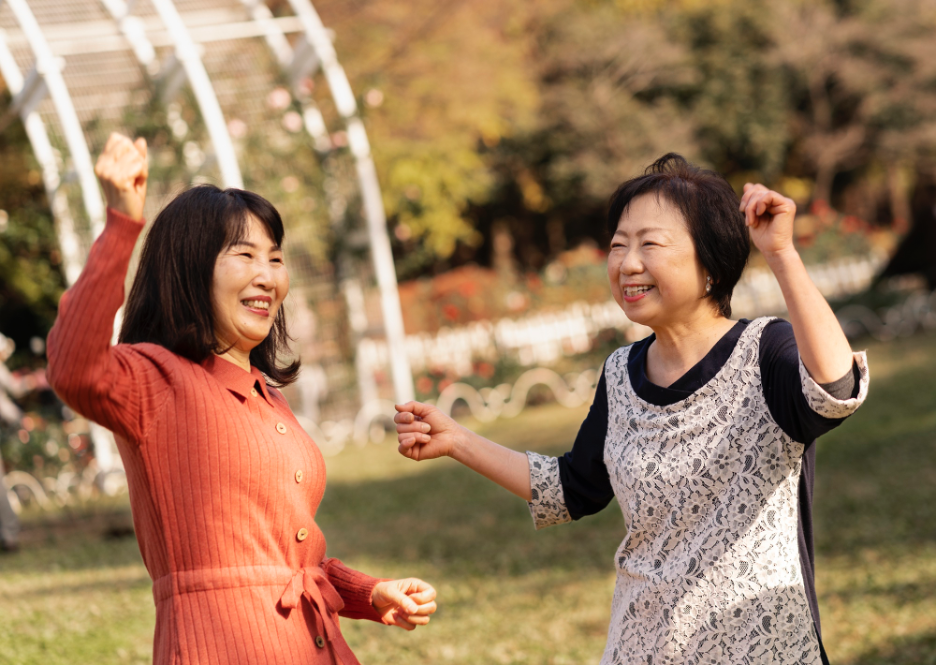
Regular exercise suitable for age and ability is encouraged—at least 150 minutes per week. Emphasis should be placed on weight-bearing exercises, resistance training, and balance exercises, all while taking care to prevent injury. Smoking cessation and alcohol moderation are also advised—no more than 1 unit/day for women and 2 units/day for men—to reduce risk factors for osteoporosis and prevent falls.
5. Fall Prevention:
It is recommended to assess fall risk factors and address underlying causes, such as the use of sleeping pills, antihypertensive medications, or visual impairment. Environmental modifications, both inside and outside the home, are also crucial—especially in bedrooms, bathrooms, balconies, stairs, and thresholds—to reduce the risk of tripping or falling.

Article by Dr. tanawat amphansap
Specialist in Osteoporosis and Geriatric Bone Disorders, Police General Hospital
Translated and compiled by ArokaGO Content Team
Source: dr.wat.com
Police General Hospital
Share this article
More Articles
Discover more insights on health care and medical tourism.

Medical Wellness by Hertitude: Longevity Medicine at Aman Nai Lert Bangkok
On the 8th floor of Aman Nai Lert Bangkok, within the seven-acre green seclusion of Nai Lert Park in the heart of the city's Lumphini district, sits Medical Wellness by Hertitude Clinic a physician-led longevity and wellness practice built into one of Bangkok's most private luxury addresses. The clinic occupies part of the hotel's 1,500-square-metre Aman Spa & Wellness centre, positioned on its own floor alongside the Aman Spa above it, forming what the hotel describes as a seamless synthesis of advanced medical wellness and traditional Thai healing.

Genetic Testing for Cancer Risk: Understanding Your Inherited Blueprint for Prevention
Cancer develops through a complex combination of genetic, environmental and lifestyle factors. While behaviors such as smoking, alcohol consumption, diet, physical activity and exposure to certain harmful substances can influence cancer risk, inherited genetic variants can also make some individuals more susceptible to certain types of cancer.

Behind the Surgery: Getting to Know Dr. Tanongsak Panyawirunroj of Asia Cosmetic Hospital
When people think of plastic surgery, they often focus first on what can be seen after a procedure the shape of the face, the nose, the eyes, the breasts, or the contours of the body. Yet behind every visible change lies a far more complex process involving anatomical knowledge, surgical experience, patient assessment, and a series of medical decisions made before, during, and after surgery.